
Last updated November 21, 2026
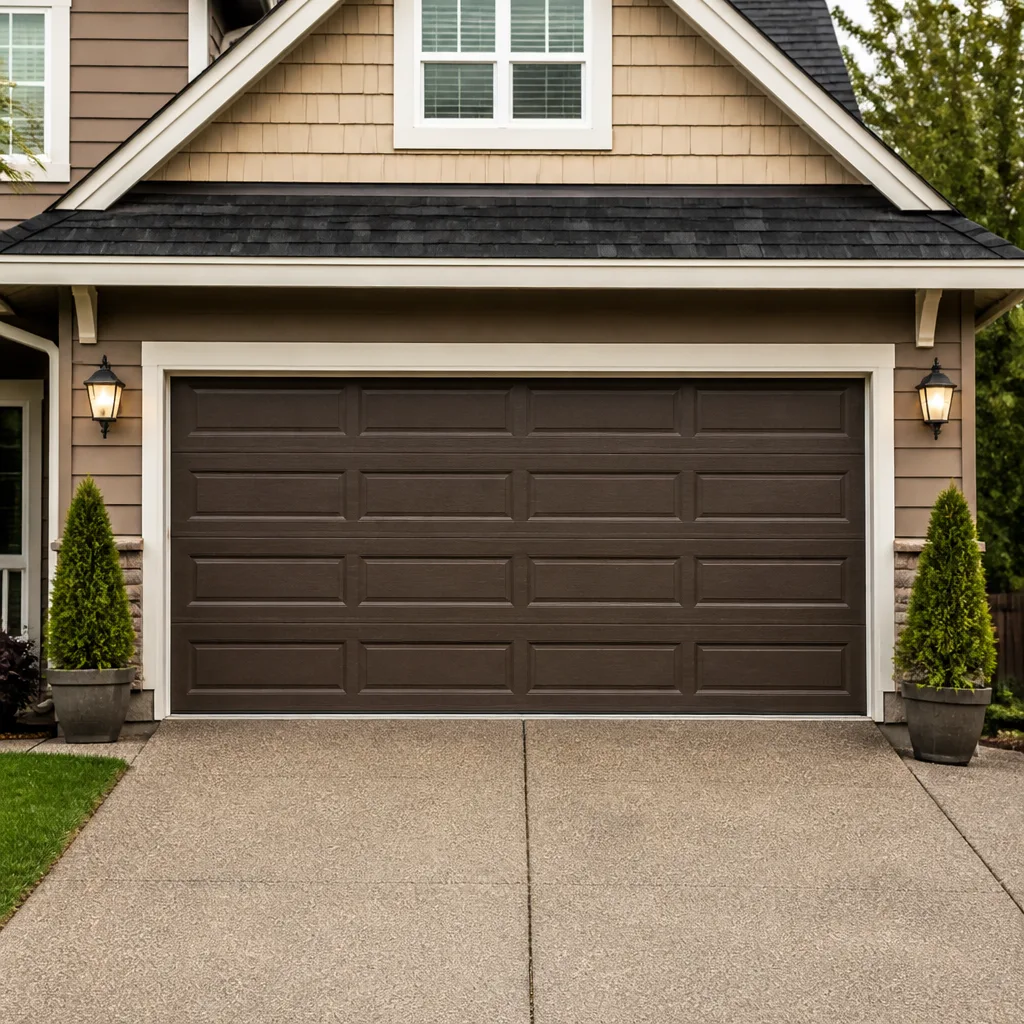 Raised-panel steel
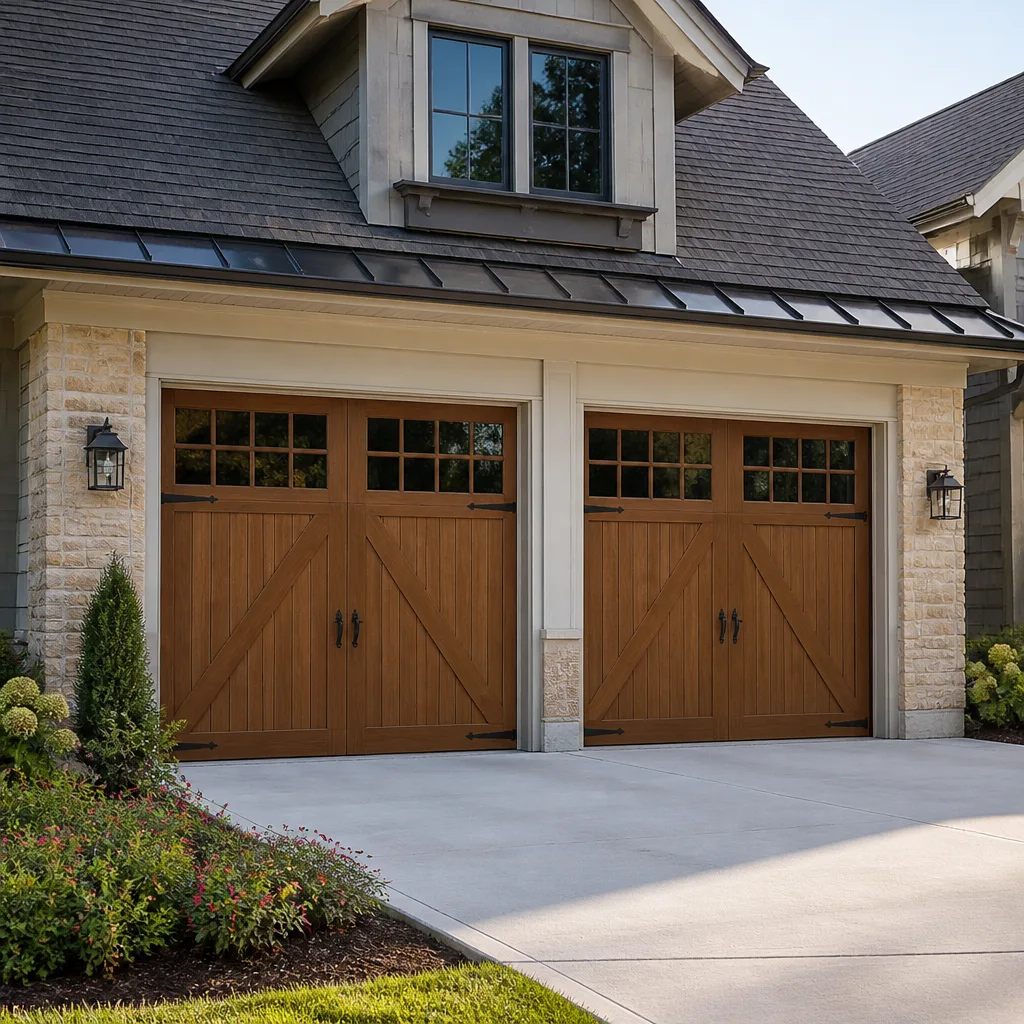 Carriage house
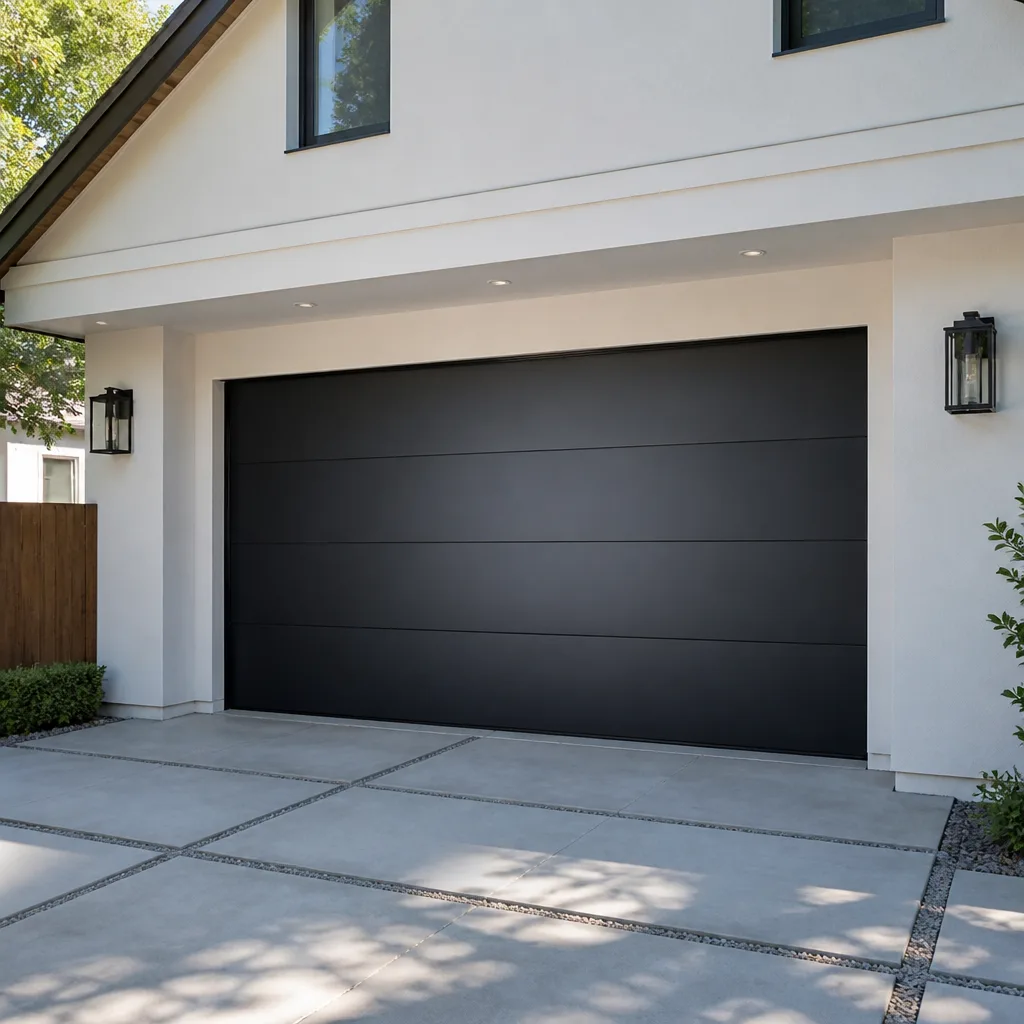 Modern flush
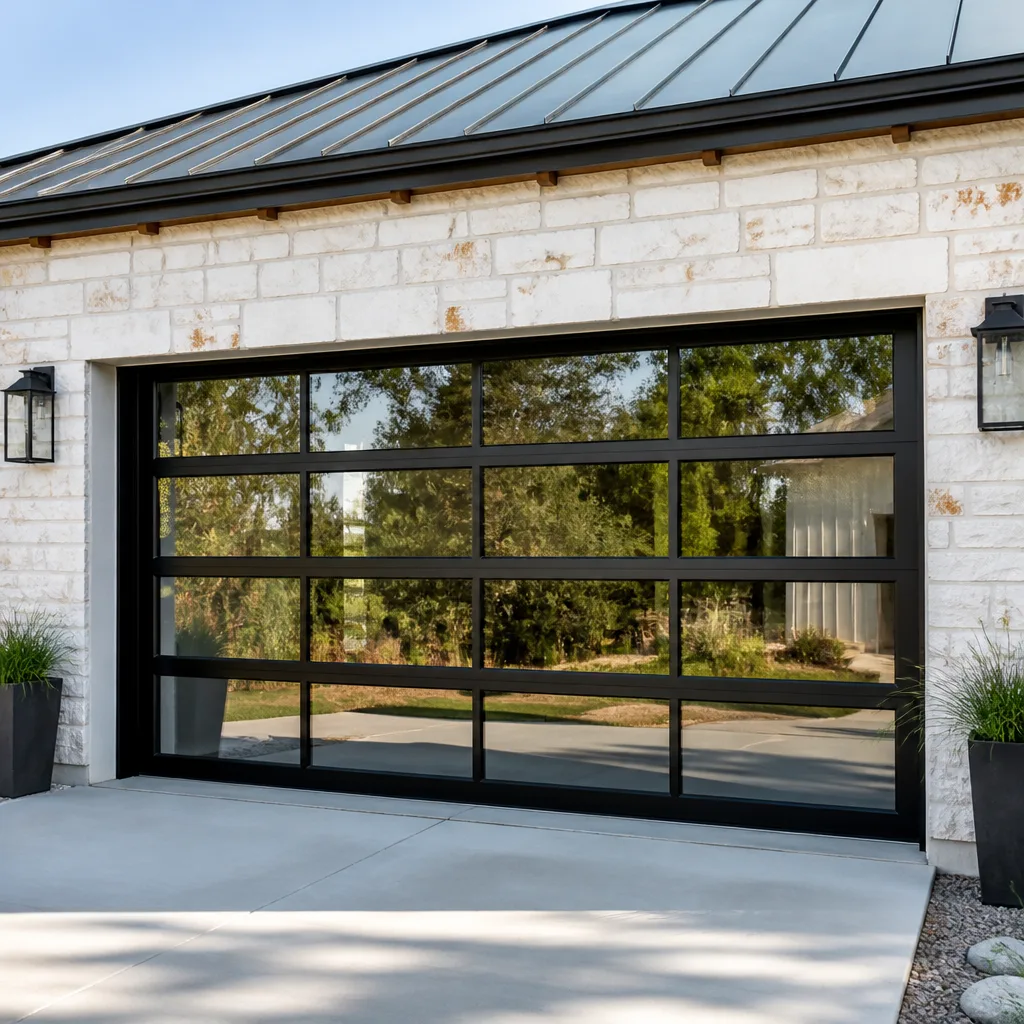 Full-view glass
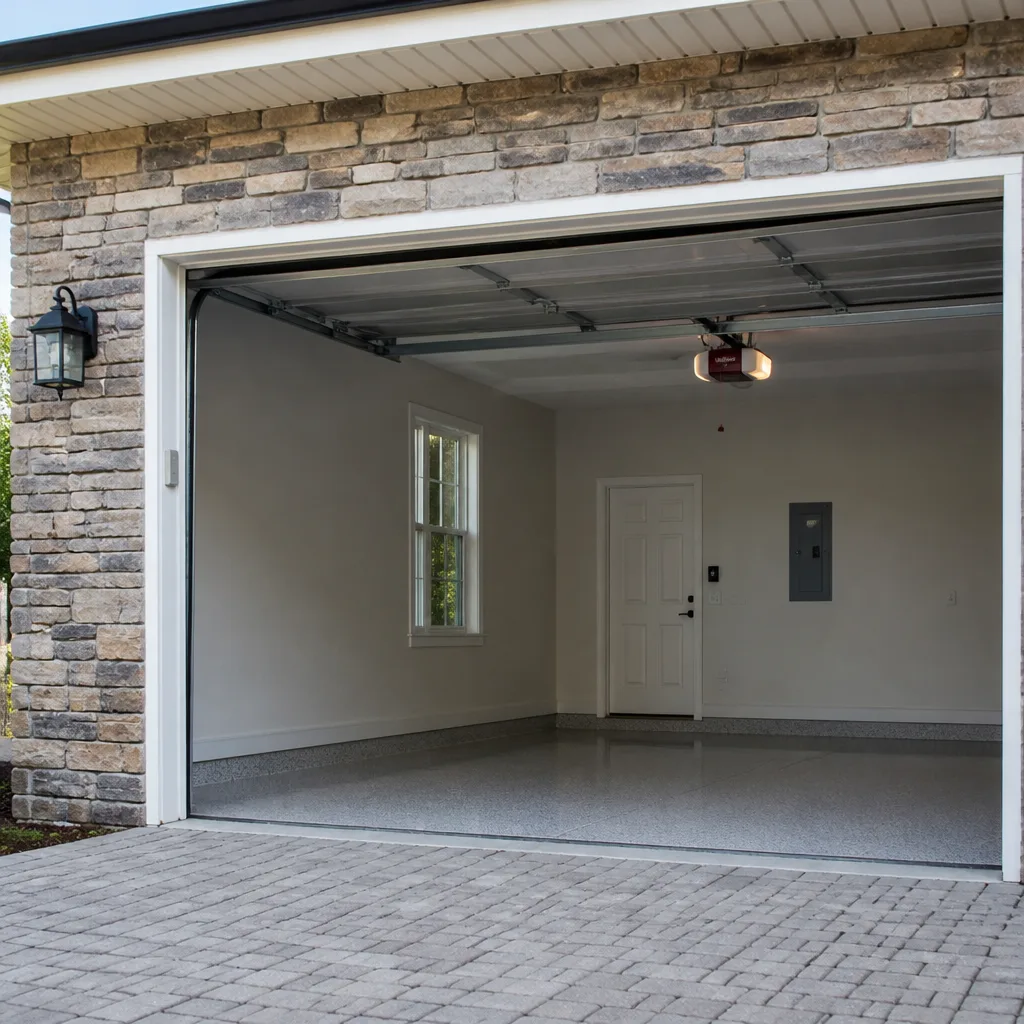 LiftMaster openers
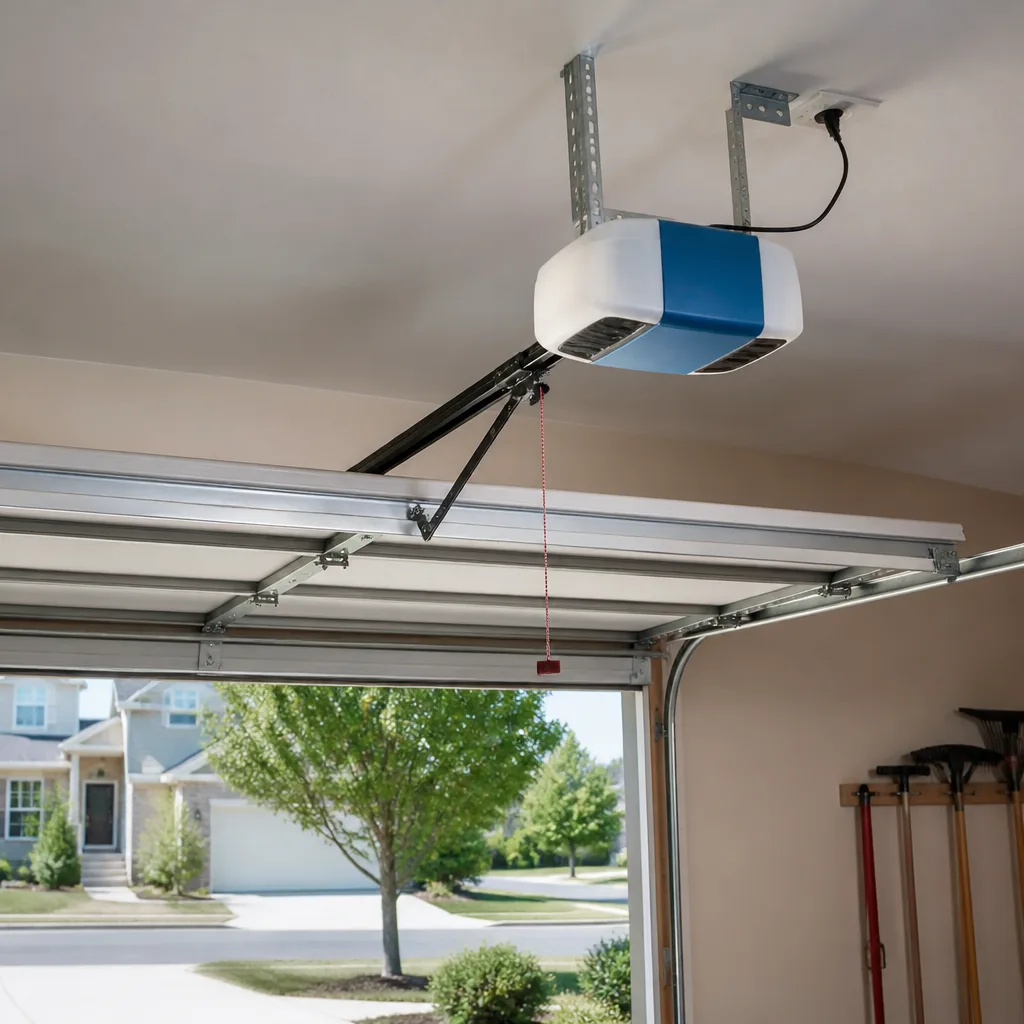 Chamberlain openers
Full 25-point door and opener safety check with every visit - springs, cables, rollers, tracks, and your LiftMaster or Chamberlain opener included
You get a price before we start. It does not change when the pro arrives.
Get your free estimateSeasonal Garage Door Care for Frankford: Year-Round Homeowner’s Guide
Most homeowners assume a garage door fails because it got old. In our experience, that’s rarely the story. Spring and fall are when Frankford’s weather swings hardest – hard freezes, quick thaws, then summer heat and humidity – and those swings do more damage to springs, cables, and tracks than any single decade of use. The door itself is usually fine. What breaks is the hardware reacting to weather it wasn’t tuned for last season. This guide walks you through a month-by-month care map built for Frankford’s specific climate, from the October pre-winter checklist to the March thaw inspection and the summer heat concerns most homeowners never think about. You’ll learn what to check, when to check it, and which tasks are safe for you versus which ones a trained technician needs to handle. It’s all about front-loading the work into the seasons that actually matter.
Styles & brands we work with
- Raised-panel steel
- Carriage house
- Modern flush
- Full-view glass
- LiftMaster openers
- Chamberlain openers
Quick Answer
Garage door maintenance in Frankford works best on a two-peak schedule: a thorough pre-winter check in October before the first hard freeze, and a spring thaw assessment in March and April to catch freeze-thaw damage and cable fatigue from winter tension cycles. Everything else – lubrication, hardware tightening, seal inspection, opener care – sits between those two anchors. Homeowners who front-load maintenance into those two months spend less on repairs than those who wait for a break to force the issue, because most failures show warning signs weeks before they become emergencies. Our technicians have up to 12 years of experience, and the pattern holds: the doors that get checked in October and March rarely need emergency work in January or July.
Table of Contents
- Why Frankford’s Climate Wears Differently
- The October Pre-Winter Checklist: What to Check Before the First Freeze
- Winter Garage Door Care: The Deep Cold Months
- The March – April Thaw: Why Spring Is as Critical as Fall
- Summer in Frankford: Heat Expansion, UV Seals, and Opener Motor Heat
- Attached vs. Detached Garages: Two Different Winterization Priorities
- A Month-by-Month Task Map for the Frankford Year
- Common Mistakes to Avoid
- When to Call a Professional
- Frequently Asked Questions
- The Bottom Line
Why Frankford’s Climate Wears Differently
Frankford gets four clearly different seasons, and each one pushes on a different part of the garage door. The reason a generic “check your door twice a year” schedule doesn’t work here is that the wear doesn’t accumulate evenly. It spikes at the transition points.
The biggest mechanical stress happens during the freeze-thaw cycle that rolls through Frankford from late November into early April. Water gets into seals, tracks, and the gaps around the door, freezes overnight, expands, then melts the next day. Do that twenty or thirty times across a winter and you get a slow, invisible loosening of everything that holds the door square. Cables that were fine in September lose tension. Track bolts back out. Bottom seals split. The door doesn’t fail because it’s worn out – it fails because a single cold morning catches a weakening spring at the wrong moment.
Summer is the mirror image. Steel doors expand in the heat, and if the tracks have been squeezed tight over the winter, that expansion has nowhere to go. Rubber seals degrade under UV exposure. And in an uninsulated garage, the opener motor is doing its hardest work in the hottest weeks of the year – exactly when it has the least ability to shed heat. That’s why Frankford homeowners who only think about the door in winter are usually the ones calling about an opener that quit in July.
Understanding this pattern is the whole point of seasonal care. You’re not checking the door because the calendar says to. You’re checking it because Frankford’s weather changes the forces on the door, and the two months when that change happens hardest are October and March.
The October Pre-Winter Checklist: What to Check Before the First Freeze
October is the single most valuable month on the Frankford garage door calendar. Everything you fix in October is a problem you don’t deal with on a frozen morning in January. Here’s what we recommend checking, in order:
- Spring condition. Look at the torsion spring above the door (or the extension springs if your door uses them). Surface rust is normal. What’s not normal is a visible gap in a coil, a spring that looks stretched compared to last year, or a door that feels heavier than it did in summer. A weakening spring is the most common cold-morning failure, and it’s identifiable before it snaps. If you see a gap or the door has gotten hard to lift, stop using the opener and get it inspected. Springs are under extreme tension and are not a DIY job.
- Cable inspection. With the door fully closed, look at the cables on each side. Frayed strands, kinks, or slack in a cable all indicate wear. Cables that snap under load can whip and are dangerous – this is a pro call, not a tightening task.
- Hardware tightening. Every bolt and bracket on the tracks and hinges should be snug. A winter of freeze-thaw will loosen anything already marginal. Hand-tighten what you can reach; flag anything that’s stripped or missing.
- Bottom seal and side seals. Run your hand along the bottom rubber. Any crack, tear, or hardening means it won’t seal against the cold. A bad bottom seal lets in drafts, snowmelt, and small animals. Replace it before the first hard freeze.
- Lubrication. Hinges, rollers, and the torsion spring (lightly) get a garage-door-specific lubricant, not WD-40. This is the one task most homeowners get right and it pays off in cold weather when metal contracts and friction rises.
- Track alignment. Stand inside the garage and look at the tracks from the door opening. They should be parallel and straight. Any bow, dent, or narrowing means the door will bind in the cold. Tracks that are bent should be realigned by a technician.
- Opener force and safety reverse test. Put a piece of wood (a 2×4 laid flat) under the door and lower it. The door should reverse on contact. If it doesn’t, the opener’s force settings are wrong and need adjusting now, not in January.
If you’re not comfortable with any of these steps, especially anything involving springs or cables, that’s what a service call is for. A professional check before winter is far cheaper than an emergency repair after a failure. If your opener is older and you’re not sure it’s ready for the cold, garage door opener repair can address it before the season turns.
Winter Garage Door Care: The Deep Cold Months
Once the deep cold arrives in Frankford – usually December into February – the goal shifts from preparing to monitoring. You’re not doing maintenance in a 15-degree garage. You’re watching for the signals that something needs attention and knowing which ones you can ignore and which ones you can’t.
What to watch for:
- A door that lifts unevenly. One side rising faster than the other usually means a cable or spring on one side is losing tension. Get it inspected; don’t assume it will smooth out.
- A grinding or scraping sound. Cold contracts metal and reduces lubricant viscosity. Some noise is normal. Persistent grinding means a roller or hinge is failing.
- The door reversing on its own. A door that comes back up during closing is a safety system doing its job – usually because something is triggering the sensors or the force setting is marginal in the cold. Don’t tape over the sensors. Get it checked.
- Snow and ice at the threshold. Keep the bottom seal area clear. Ice buildup on the seal will tear it when the door opens.
- The garage getting colder than it should. If your attached garage is noticeably colder than it was in autumn, your bottom seal or side seals have likely failed.
Winter is also when emergency calls spike, and the reason is almost always an October task that didn’t get done. A door that fails to close at night is a security problem, not just an inconvenience – you’re leaving a 16-foot opening in the side of your house. If that happens, we answer 24/7, and fast dispatch runs from 7am to 7pm, Sunday through Friday. A call outside dispatch hours is booked into the next opening.
If your door does fail and you need urgent help, garage door repair is what we do – it’s the core of our work, not a side of the business. We can get you back in operation today when the parts and situation allow, and we’ll tell you honestly if the door needs to stay closed until a scheduled repair.
The March – April Thaw: Why Spring Is as Critical as Fall
Most seasonal garage door advice puts all the emphasis on fall. That misses half the story in Frankford, because the spring thaw is when the damage that started in winter becomes visible.
Here’s what happened to your door over the winter: it went through dozens of freeze-thaw cycles. Water froze in gaps and expanded. Cables went through full tension cycles every time the temperature dropped. Bolts worked loose. The door frame shifted slightly as the ground heaved and settled. None of this necessarily caused a failure – but it changed the door’s geometry and the tension on its hardware. In March and April, you need to find out what changed.
Spring thaw assessment, in order:
- Cycle the door a few times and listen. Do it by hand if you can safely disengage the opener (most openers have a manual release). Does it move smoothly? Does it feel balanced? A door that feels heavier than it should has a spring issue.
- Inspect the cables for winter fatigue. Look for broken strands, kinks, or a cable that has jumped its drum. Cables that took winter’s load and survived are still worth inspecting for wear – they’re the next thing to fail.
- Check the tracks and door frame for movement. Look at the anchor points where the tracks attach to the wall and ceiling. Any sign of pulling, loosening, or cracking around the bolts means the frame has moved. Don’t drive them tighter yourself; the door needs to be re-squared.
- Look at the bottom seal and floor. Winter tears seals. If the bottom rubber is split or torn, it needs replacing before the summer heat hardens it further.
- Test the safety reverse again. The same 2×4 test from October. If the door doesn’t reverse, the opener needs adjusting.
- Clean and re-lubricate. Spring cleaning for the door: wipe the tracks, and reapply lubricant to hinges and rollers after the winter’s grit and salt-free grit… just grit. Re-lubricating in spring is often overlooked, but it’s the step that keeps the door quiet through summer.
Spring is also a good time to think about a bigger project if the winter pushed a door past the point of repair. If your door has rusted through in spots, the torsion system is worn out, or you’re considering a more insulated door after a cold winter, garage door installation is a scheduled project – we measure, order, and install. It’s not a same-day repair situation.
Summer in Frankford: Heat Expansion, UV Seals, and Opener Motor Heat
Summer garage door care gets ignored because the door doesn’t visibly fail the way it does in winter. But the heat is doing real work on steel doors, seals, and openers, and the failures show up in July and August.
Heat expansion on steel doors. Steel expands in summer heat, and if the tracks have been set tight over the winter, the door will start to bind. You may hear a popping or scraping sound as the door cycles, or the opener will seem to be straining. If your tracks were tightened in the cold, they may need to be loosened a touch for summer. A technician can set the track spacing to account for a full year of expansion and contraction, which is better than adjusting twice a year.
UV degradation on rubber seals. The bottom seal and the seals around the door frame are rubber or vinyl. UV exposure from direct sun through an open door, plus heat, breaks down the material. Seals that felt soft in spring feel hard and cracked by August. A hardened bottom seal won’t seal, and it will also start to chatter on the floor. Check the bottom seal in June and replace it if it’s lost flexibility.
Opener motor heat buildup. If your garage isn’t insulated or has no ventilation, summer heat plus the motor’s own heat can push a chain-drive or belt-drive opener toward thermal overload. The early sign is the opener working fine in the morning and stalling in the afternoon. This is more common with older Chamberlain or Genie units, which we’re equipped to service. If your opener is stalling in the heat, it’s a sign of a failing motor or a marginal capacitor, and it’s worth addressing before it fails completely. If you have a LiftMaster or Craftsman opener doing the same, the diagnostic path is similar.
Summer is also a good time to schedule a full check if you skipped the spring assessment. Our technicians have up to 12 years of experience, and the summer issues we see most are heat-related – they’re easy to catch if you look, and easy to ignore until something quits.
Attached vs. Detached Garages: Two Different Winterization Priorities
Most Frankford homeowners don’t think about the difference between an attached and a detached garage until something goes wrong. The two structures need different care because they’re doing different jobs.
Attached garage winterization
An attached garage shares at least one wall with your living space, and usually a ceiling with rooms above. That changes the priorities:
- Seals are an energy issue, not just a weather issue. A failing bottom seal or side seals on an attached garage lets cold air into the house, not just the garage. Inspecting and replacing seals is the highest-value task for attached garages, and it should happen in October, before the first freeze.
- Insulated doors matter more. If your attached garage sits below living space, the door itself is part of your home’s thermal envelope. An uninsulated door on an attached garage loses more heat than most people realize. If you’re replacing a door on an attached garage, an insulated door makes a real difference in the rooms above. Brands like Clopay and Amarr offer insulated models, and we’re equipped to install either.
- Interior moisture and condensation. Warm air from the house meeting cold air in an attached garage creates condensation on the interior of the door and on the tracks. That condensation is what rusts hinges and springs faster on attached garages. Keeping the seals tight and the garage ventilated helps.
- The door is a fire separation. Most building codes require an attached garage to have a fire-rated door or a specific separation. Check with your city’s building department if you’re replacing a door or unsure what’s required – the rules vary by municipality.
Detached garage winterization
A detached garage is more exposed to the weather and often less insulated. The priorities shift:
- Full weatherproofing is the priority. A detached garage is standing on its own against Frankford’s winter. Every seal, every gap, and the bottom seal in particular are load-bearing for keeping the structure dry. If you only do one thing on a detached garage, make it a thorough seal check and replacement in October.
- Uninsulated garages are more prone to opener failures. The opener motor in a detached garage has no thermal buffer from the house. It runs hotter in summer and colder in winter. If your opener is older, consider replacing it before it fails in a season it can’t handle – garage door opener repair can help diagnose whether the motor is on its way out.
- Track movement and grade. Detached garages often sit on their own slab that can shift with the freeze-thaw cycle. That movement translates into out-of-square tracks. Inspect the door’s operation in spring more carefully on a detached garage – a door that binds after a hard winter is telling you the frame has moved.
- Security in a detached structure. A detached garage is more exposed to break-ins if the door fails to close. If your door won’t close reliably, don’t wait for a scheduled repair – a door that won’t latch is a security issue. Call for same-day help.
If you’re not sure which category your door falls into or what it needs, the fastest answer is a call. For a broader check on the door itself, Garage Door Repair Frankford is where we lay out what we do.
A Month-by-Month Task Map for the Frankford Year
Here’s the year on one page, adjusted for the way Frankford’s seasons actually break:
January – February: Monitor and protect. Deep cold. Don’t do heavy maintenance in a freezing garage. Watch for uneven lifting, grinding, or a door that reverses on its own. Keep the bottom seal clear of snow and ice. If something fails, call – we answer 24/7 and dispatch fast from 7am to 7pm, Sunday through Friday.
March – April: The thaw assessment. This is a major maintenance window. Cycle the door by hand and listen. Inspect cables for fatigue. Check track and frame anchor points for winter movement. Replace torn seals. Re-lubricate. Run the safety reverse test. This is also the month to decide whether a door is worth repairing or replacing.
May: Start-of-summer prep. Inspect the bottom seal for UV damage before the heat sets in. Check that the tracks aren’t binding with the door closed. Listen for a grinding opener – the early sign of a motor that will struggle in summer heat.
June – August: Heat watch. Check the bottom seal again in June – heat plus UV hardens it. If your opener runs fine in the morning and stalls in the afternoon, get it checked. Listen for popping or scraping as the steel door expands. If the door starts binding in summer, the tracks were set too tight in winter.
September: Transition month. The first cool nights start to pull the door back toward winter geometry. Cycle the door and check for anything that changed over summer. This is a good time to schedule any repair that’s safer done before the cold.
October: The pre-winter checklist. The whole checklist from above: springs, cables, hardware, seals, lubrication, track alignment, opener force and safety reverse. This is the month that determines whether your winter is quiet or expensive.
November – December: First hard freezes. Monitor. Clear snow from the bottom seal. Watch the door’s operation in the first cold snaps. If the door is struggling when the temperature drops, that’s a signal the October check missed something – or the door needs a professional look. If the door needs repair before the holidays, garage door repair is what we do, and we can often get to the right fix the same day.
Common Mistakes to Avoid
- Treating the fall check as the whole year. The single biggest mistake we see in Frankford is front-loading every task into autumn and ignoring the March thaw. The thaw is when winter’s damage surfaces, and skipping it means you find out about it in a breakdown instead of a maintenance check. Do the spring assessment, even if the door feels fine.
- Lubricating the tracks. Tracks are not the rails; they’re the guide rails. Lubricating them attracts grit and grime and makes the door bind. Lubricate the hinges, rollers, and springs, not the tracks.
- Using WD-40 as a garage door lubricant. WD-40 is a solvent, not a lubricant. It evaporates and leaves you where you started. Use a garage-door-specific lubricant, and apply it to the rollers, hinges, and spring lightly. This is a common Frankford mistake when owners lubricate the door to quiet a squeak.
- Tightening the tracks and springs yourself. A slight track adjustment can look easy. A torsion spring under tension is a different matter – it can be lethal if it lets go wrong. Springs and cables are a professional job. Don’t touch them.
- Ignoring a door that reverses on its own. A door that comes back up during closing is telling you the safety system or the force setting is wrong. Don’t disable the safety reverse and don’t tape over the sensors. It’s a risk to your family, your car, and anything in the path. Get it fixed.
- Waiting for a complete failure. A weakening spring has a sound and a feel. A failing opener has a stalling pattern in the heat. A door with a bad seal is drafty. Every one of these is cheaper to fix before it becomes an emergency. In our experience, the doors that fail on the coldest morning in Frankford are the ones that showed warning signs weeks earlier.
- Running the door in cold weather when it’s clearly struggling. If the door binds, grinds, or feels heavy in January, stop cycling it. A binding door under load can snap a cable or break a spring. Wait for the technician and don’t run the opener until they’ve looked at it.
When to Call a Professional
Some tasks in this guide are homeowner-friendly: lubricating, replacing a bottom seal, tightening a visible bolt. Others aren’t, and it’s worth being clear about the line. Call a professional if the door has a visible spring gap, a cable is frayed or kinked, the door lifts unevenly, the tracks are bent, the opener stalls or reverses unexpectedly, or the door won’t close reliably. Any of these is a safety issue, not a maintenance item. The security angle matters too: a door that won’t close is a house that won’t stay closed, and it can’t wait until Monday because that’s when it becomes a real risk. Springs, cables, and high-tension work are not DIY jobs – even experienced homeowners should not attempt them. Our technicians have up to 12 years of experience, and we handle the full lifecycle from repair and emergency work to a scheduled garage door installation when a door is past the point of repair. Garage Door Repair Frankford offers free estimates in Frankford – call (855) 337-1053. We answer 24/7. Fast dispatch from 7am to 7pm, Sunday through Friday.
Frequently Asked Questions
The October pre-winter check is the single highest-value task, because it catches the weakenings and loosenings that cause most cold-morning failures. Springs, cables, seals, hardware, and the opener’s safety reverse all get checked before the first freeze. Call (855) 337-1053 for an exact quote – estimates are free.
Spring repair is quoted per job, and the written estimate you get is the price – it’s agreed before any work starts. The range depends on the size and type of the spring and whether a matched pair is needed. Because a pair usually gets replaced together, a pair costs about twice what a single spring does. Call (855) 337-1053 for an exact quote – estimates are free.
Yes. Summer care centers on heat expansion, UV degradation of seals, and opener motor heat, while winter care centers on freeze-thaw monitoring and seal protection. Check the bottom seal in June and watch for an opener that works in the morning and stalls in the afternoon. Call (855) 337-1053 for help with summer opener issues – estimates are free.
It can, because the March – April thaw is when winter’s damage surfaces – loosened hardware, cable fatigue, and track movement show up then. Skipping it means the first sign is a failure instead of a maintenance note. Call (855) 337-1053 to book a thaw assessment – estimates are free.
The local professionals we connect you with are licensed and insured as their state requires, and spring and cable work on high-tension assemblies is something we take seriously. Call (855) 337-1053 for details and a free estimate.
Yes. An attached garage needs tighter seals and an insulated door to protect the living space, while a detached garage needs full weatherproofing and closer attention to track and opener performance. Call (855) 337-1053 to talk through which applies to your Frankford home – estimates are free.
The Bottom Line
Garage door care in Frankford isn’t a four-season checklist applied evenly across the year – it’s two anchors, an October pre-winter check and a March thaw assessment, with everything else filling the gaps between them. Front-loading the hard work into those two months catches weakening springs, loose cables, and failing seals before they become cold-morning emergencies. Summer gets its own attention for heat expansion, UV seals, and opener motor heat, and attached versus detached garages need different priorities. Our technicians have up to 12 years of experience with the brands you already have, and we back the whole lifecycle from repair to installation. Fall is the single most valuable month to start, and there’s no better time to book a free estimate than now.
Ready to book your seasonal check? Call (855) 337-1053 for a free estimate. We answer 24/7, and fast dispatch from 7am to 7pm, Sunday through Friday.
Written by the team at Garage Door Repair Frankford.
See the difference
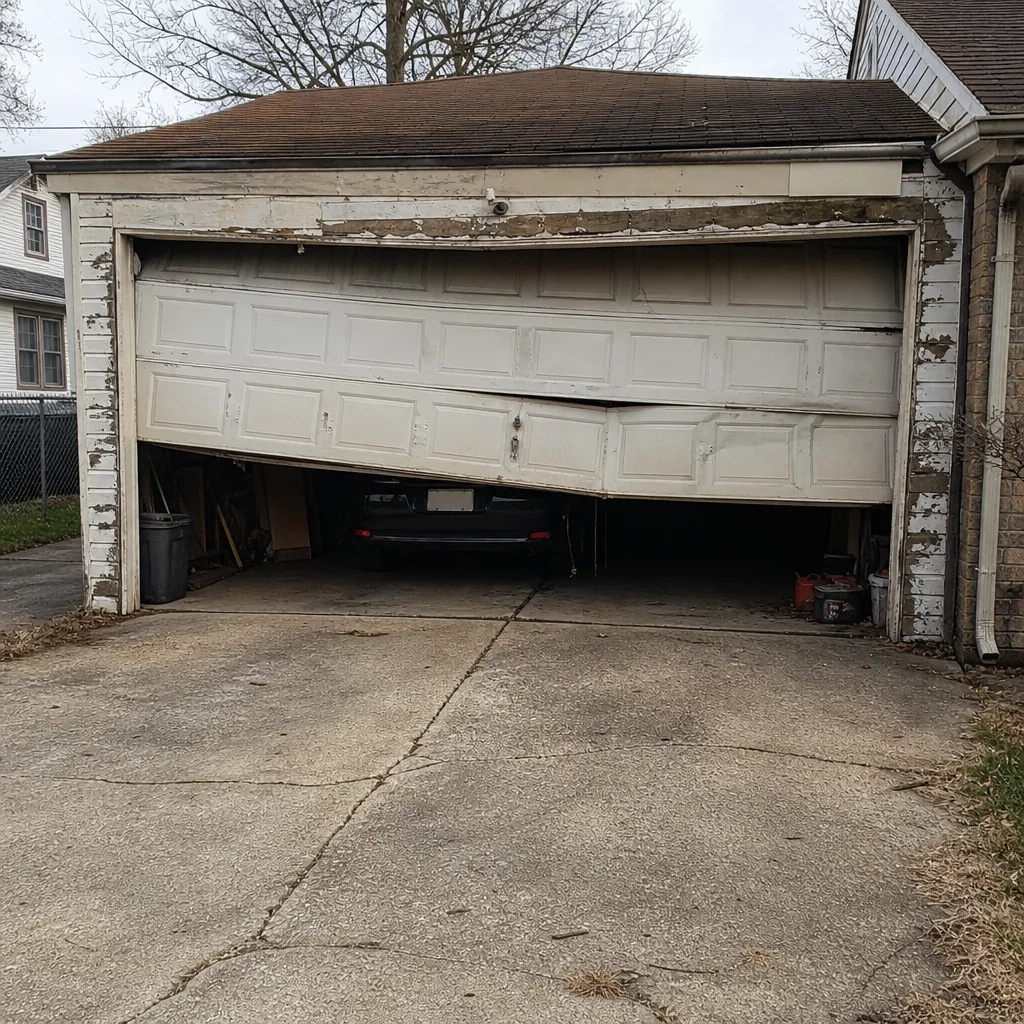 Before
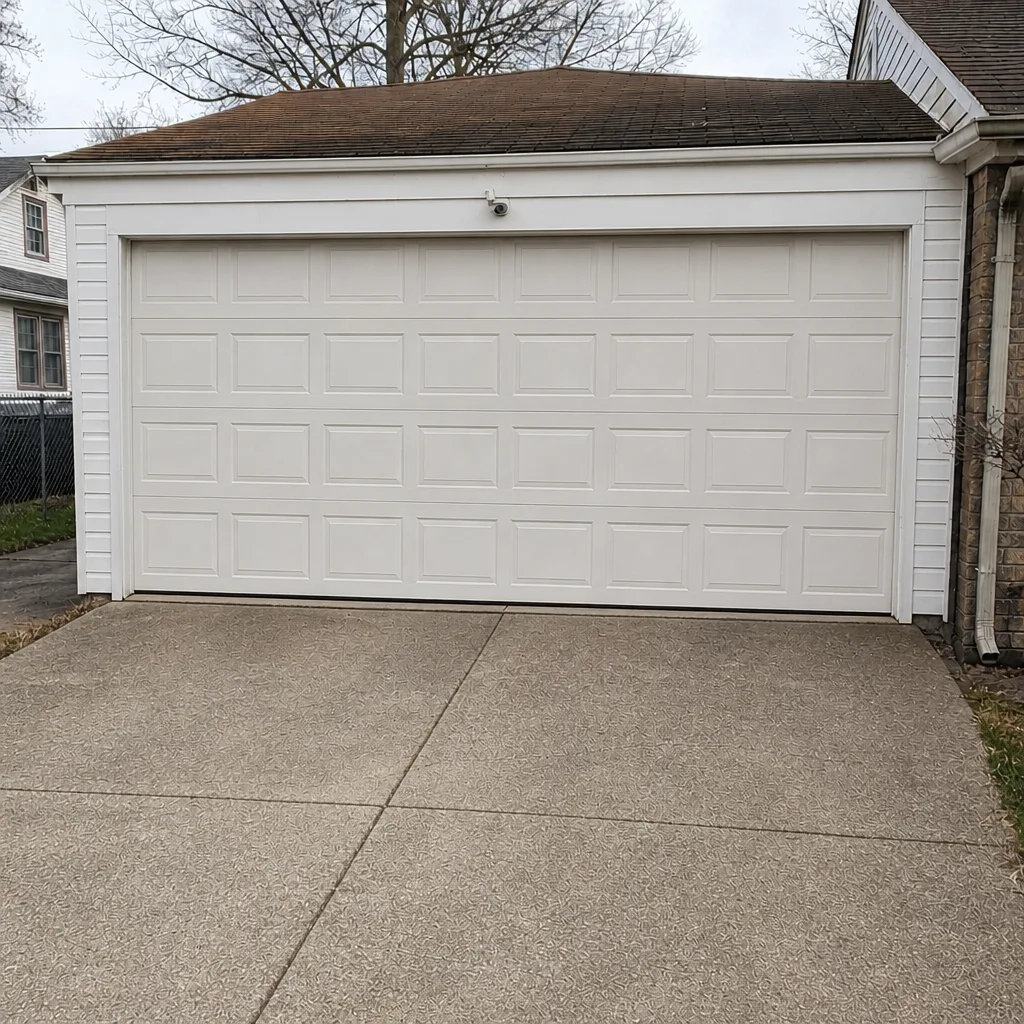 After
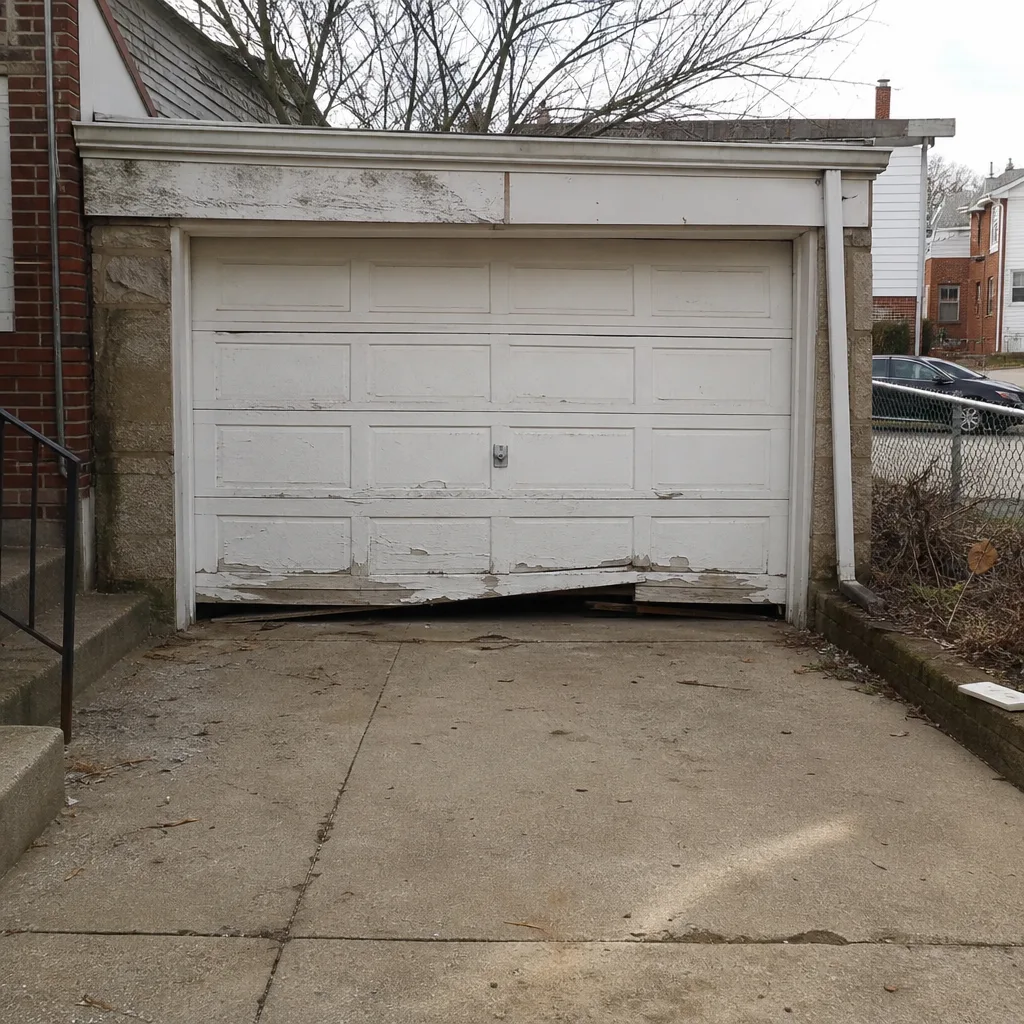 Before
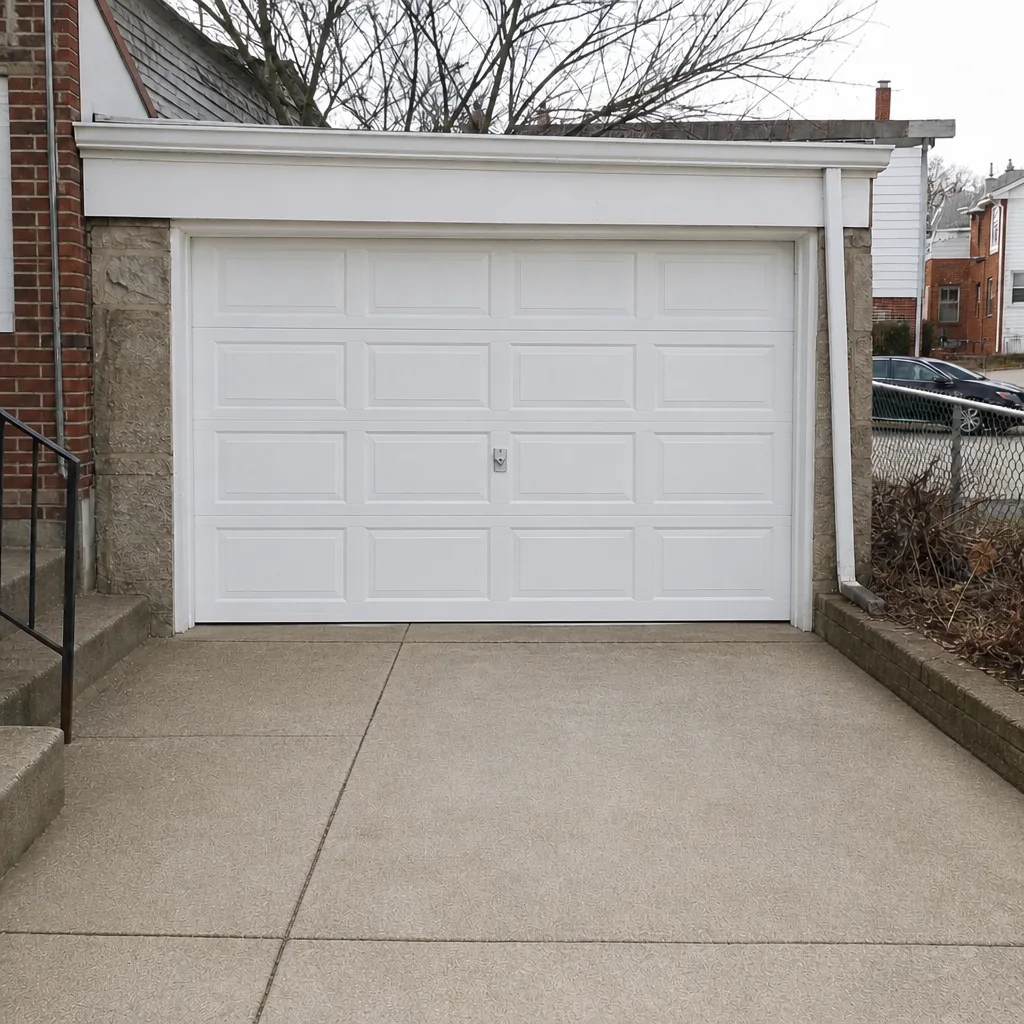 After
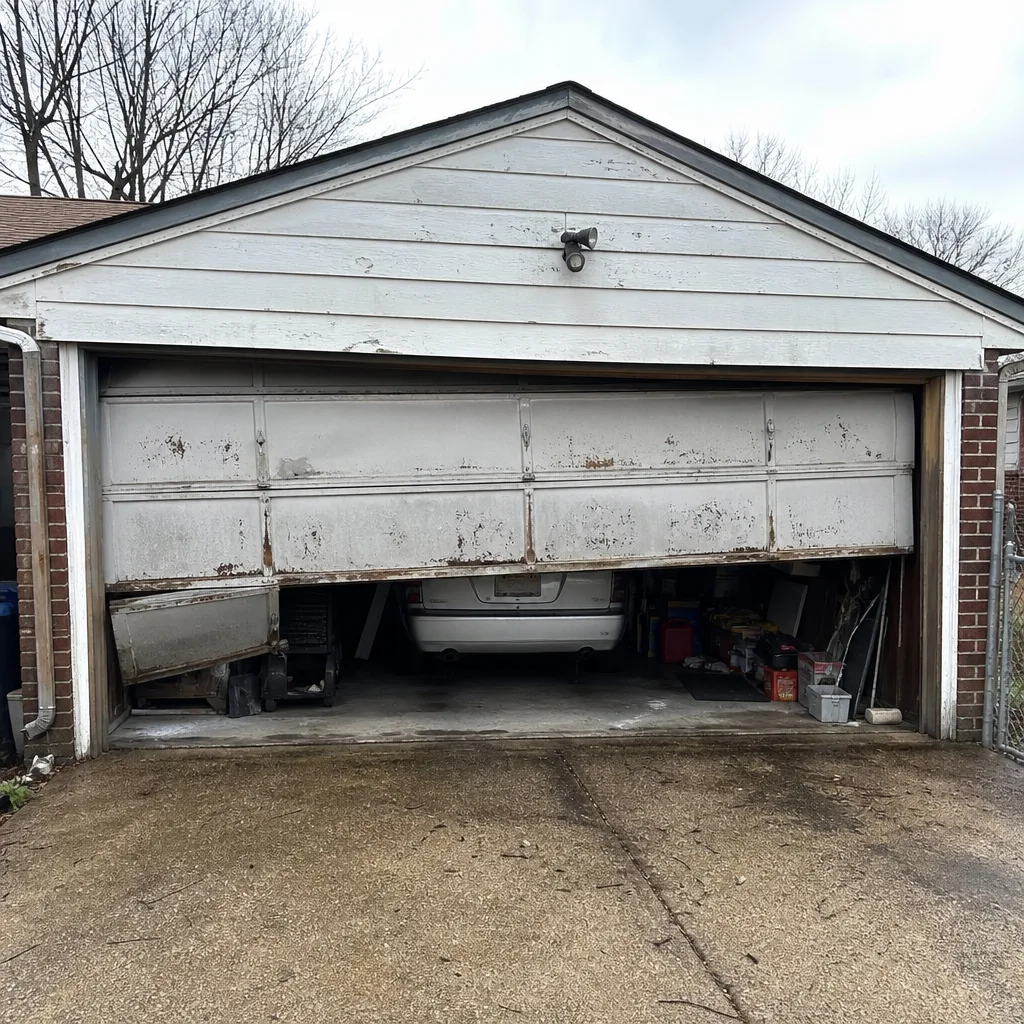 Before
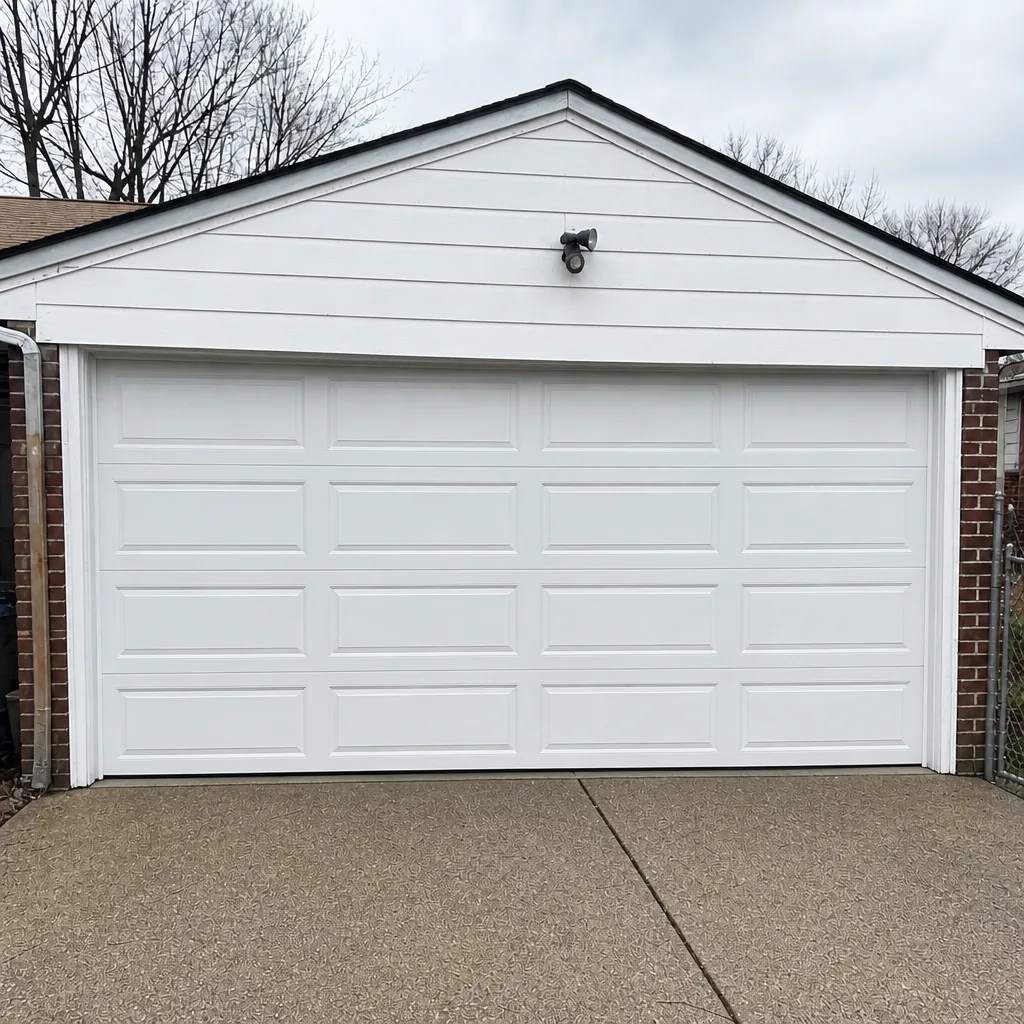 After