
Last updated November 21, 2026
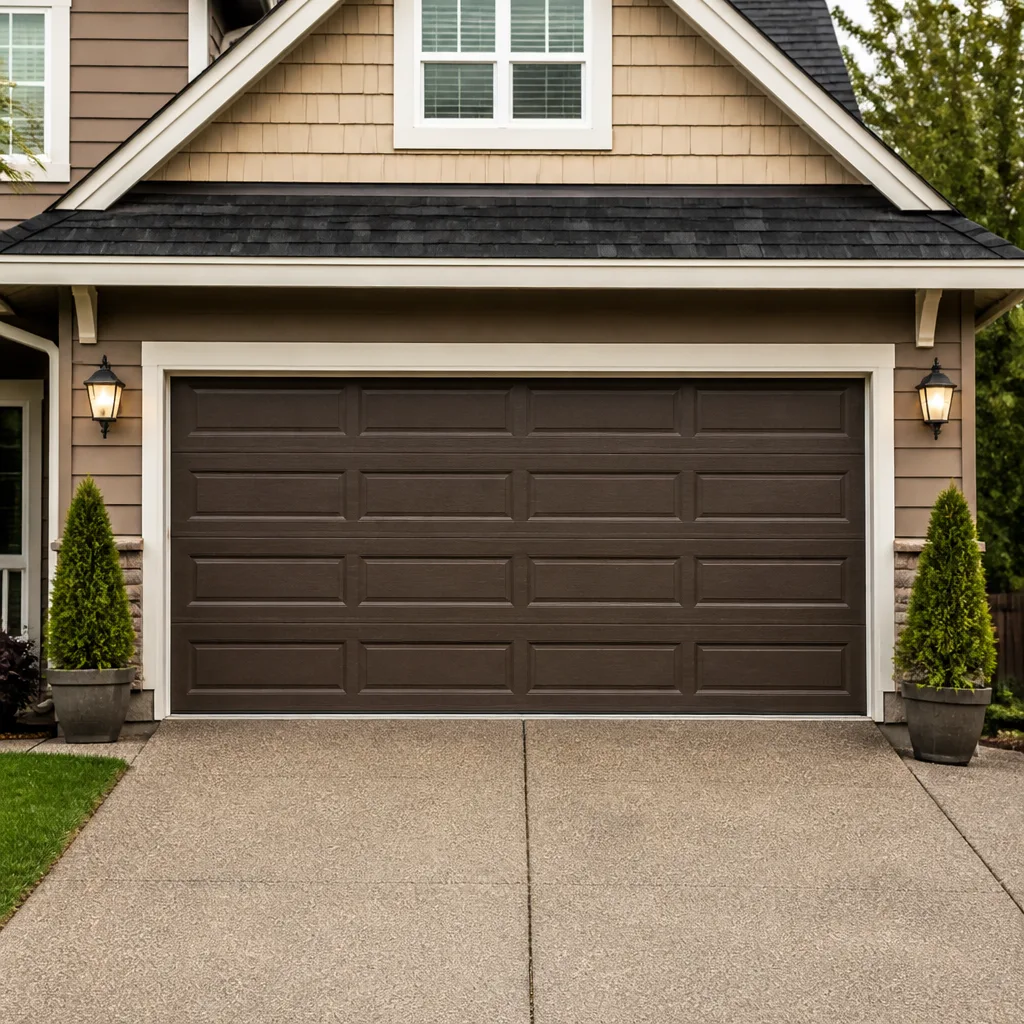 Raised-panel steel
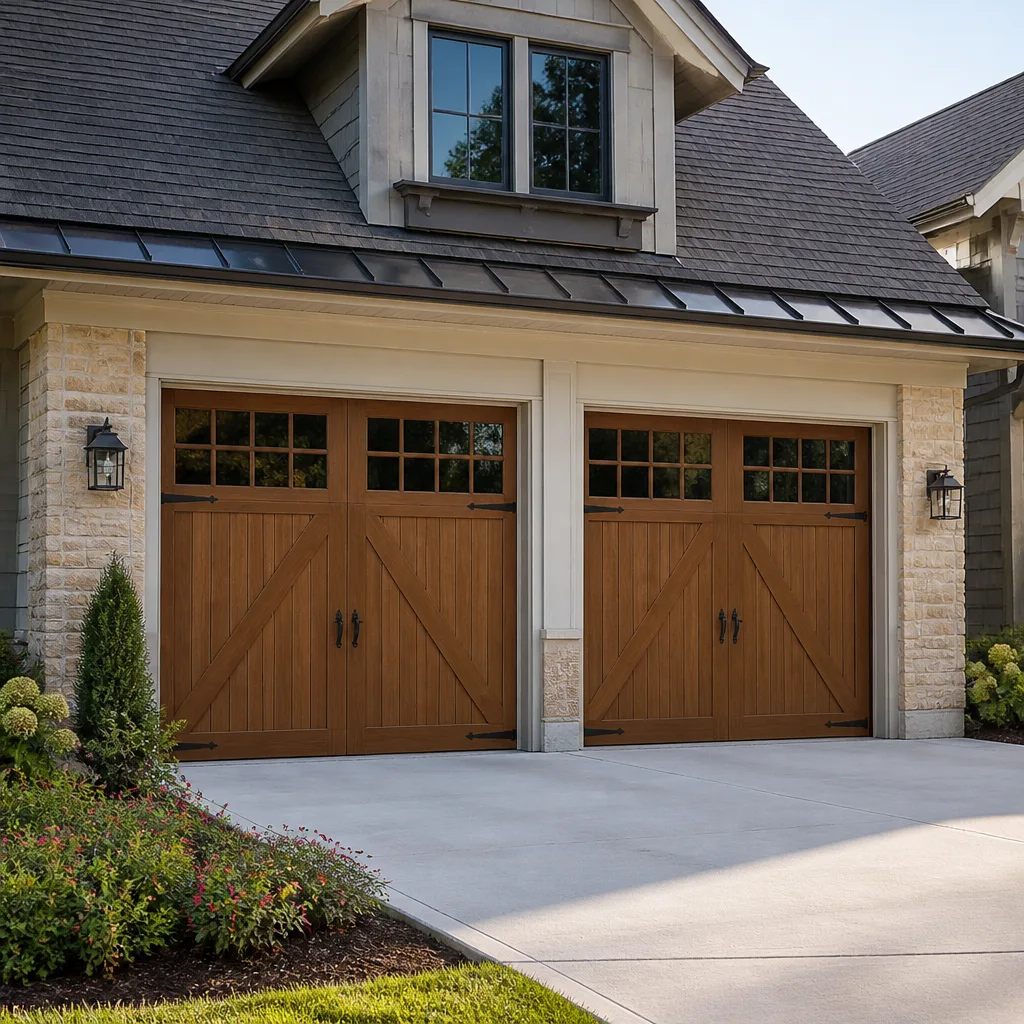 Carriage house
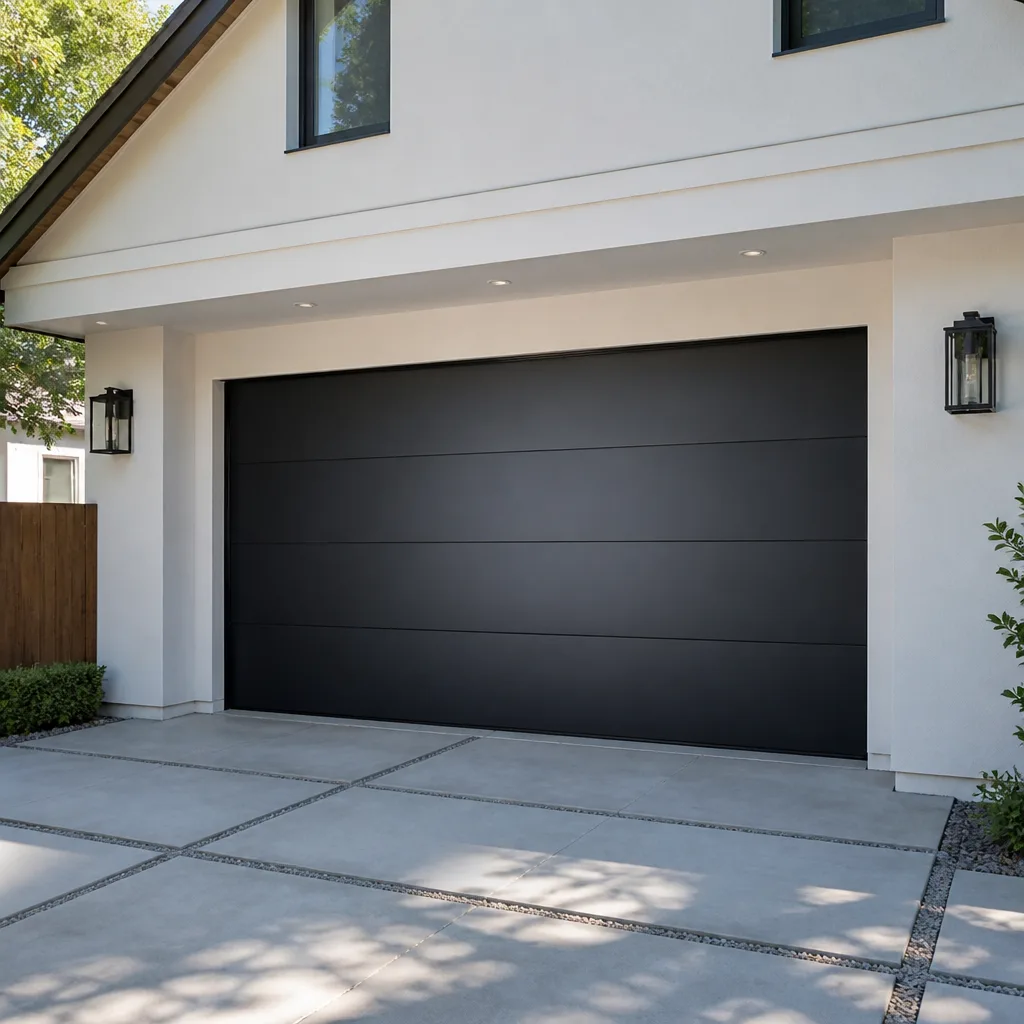 Modern flush
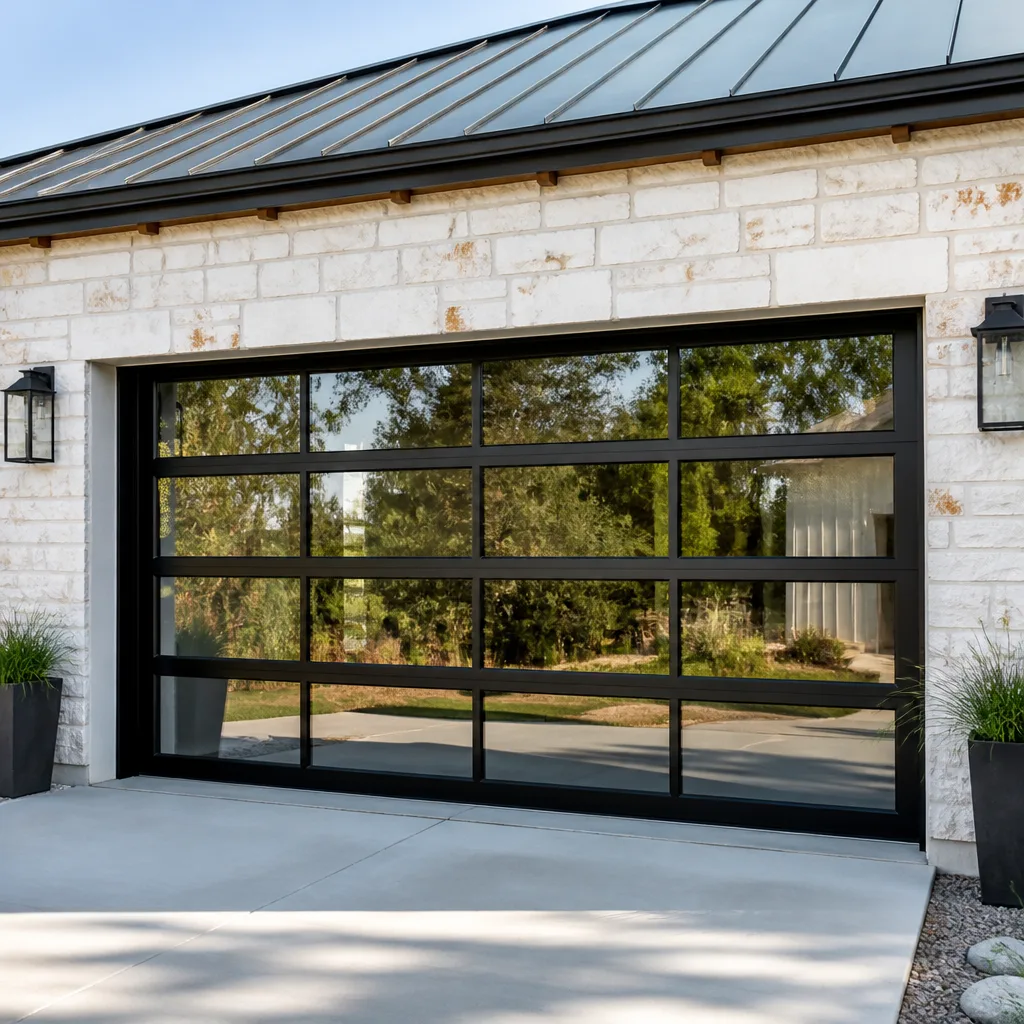 Full-view glass
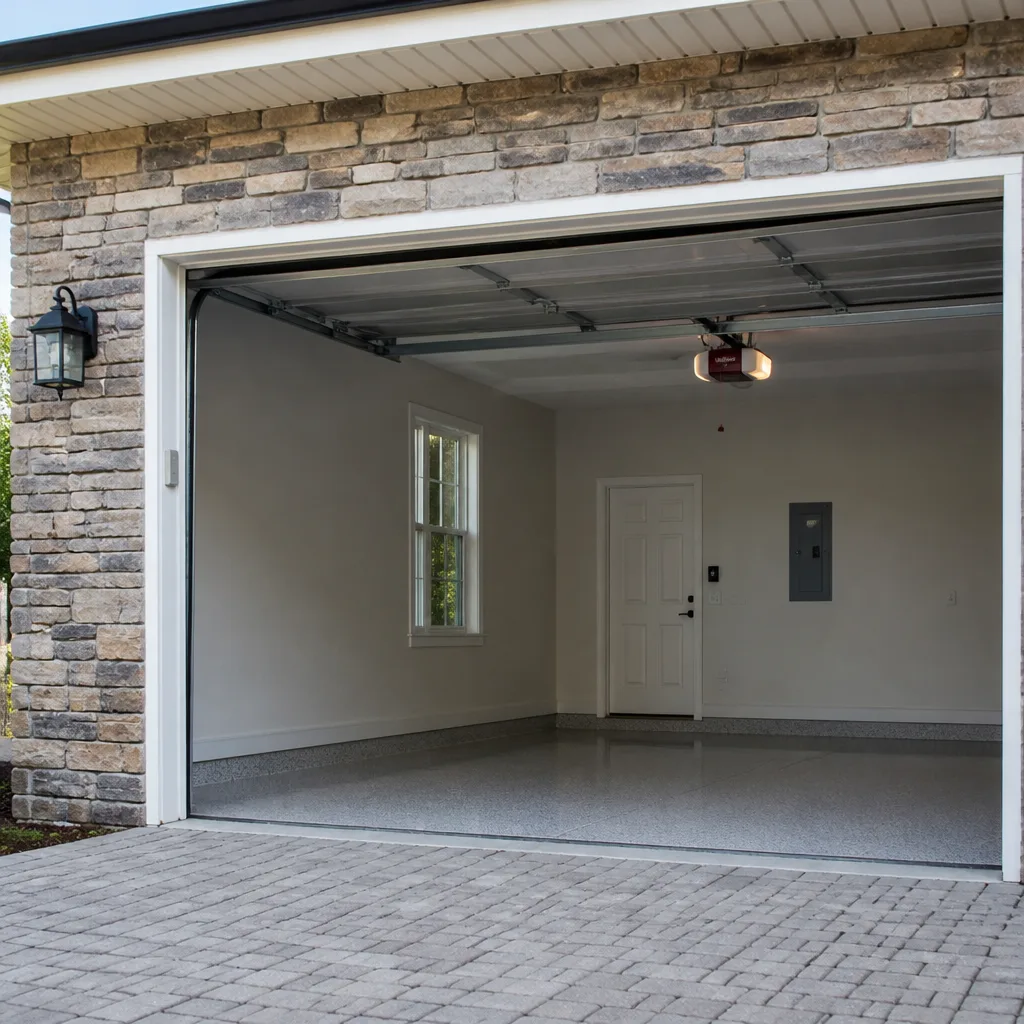 LiftMaster openers
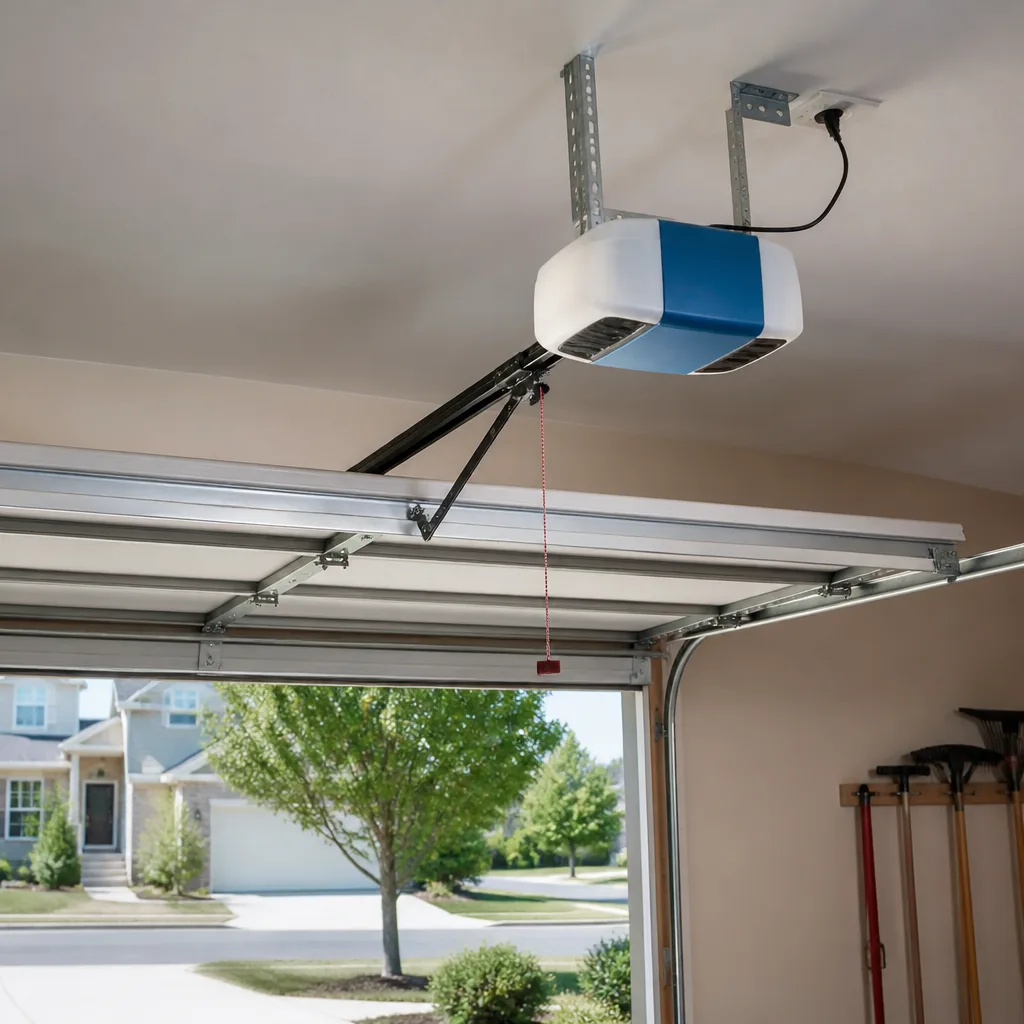 Chamberlain openers
Full 25-point door and opener safety check with every visit - springs, cables, rollers, tracks, and your LiftMaster or Chamberlain opener included
You get a price before we start. It does not change when the pro arrives.
Get your free estimateChoosing the Right Garage Door Brand: A Buyer’s Guide for Frankford
The best-reviewed garage door brand on the market will underperform a mid-tier brand if it’s spec’d for the wrong use pattern. That’s the part most brand comparisons miss. Roll into a big-box store and you’ll find aisle signs comparing steel gauge and insulation R-values side by side, as if a door were a refrigerator. It isn’t. A door is a machine that runs hundreds of cycles a month in a Frankford rowhouse, or a machine that runs a dozen cycles a month in a detached storage garage out back. Those are different animals, and they deserve different brands. This guide skips the spec-sheet theater and starts where the real decision starts: what your door actually does all day. Then it walks you through brand tiers, what “lifetime warranty” really covers, why parts availability matters more than the price tag, and how Northeast freeze-thaw cycles pick winners and losers. Frankford’s housing stock and weather make this a little more interesting than it is in Phoenix.
Quick Answer
There’s no single best garage door brand in Frankford. There’s a best brand for your use case: a high-cycle attached garage where the door is the main entrance and the family leaves and returns several times a day wants premium hardware and a strong opener (LiftMaster and Clopay are the usual suspects), while a low-cycle detached storage garage is well served by a mid-tier door from a widely stocked brand like Wayne Dalton or Craftsman. The deciding factors are cycles per day, attached vs. detached, how exposed the door is to weather, and whether parts will still be available when something wears out in five or ten years.
Styles & brands we work with
- Raised-panel steel
- Carriage house
- Modern flush
- Full-view glass
- LiftMaster openers
- Chamberlain openers
Table of Contents
- Start With Your Use Case, Not the Brand
- How to Audit Your Door’s Usage in Five Steps
- Honest Brand Tiers for the Frankford Market
- What “Lifetime Warranty” Means Differently Across Brands
- Parts Availability and the Hidden Cost of Saving $80 Upfront
- Which Brands Handle Northeast Freeze-Thaw Cycles Best
- The Opener Is Half the Brand Decision
- When to Repair, Replace, or Upgrade the Whole System
- Common Mistakes to Avoid
- When to Call a Professional
- Frequently Asked Questions
Start With Your Use Case, Not the Brand
Brand shopping in Frankford usually starts backward. Someone’s neighbor installs a Raynor door, loves it, and now Raynor is “the good brand.” Or a chain store runs a sale on a particular line, and that line becomes the default. Neither path tells you anything about your house, your cycles, or your exposure. The right sequence is to profile the job first, then match a brand tier to it. Here’s the framework we use, and it will save you from buying the wrong door twice.
A garage door’s usable life in Frankford is largely a function of cycles, not calendar years. A door in a Frankford rowhouse garage where the door doubles as the family’s main entrance can rack up four to six cycles a day, more if someone works from home and leaves the house in the middle of the day. That’s a very different job than a detached storage garage behind the house that opens once or twice a month to pull out the mower. The first door lives a hard life; the second lives a soft one. The premium you pay for a high-cycle-rated spring, a stronger hinge set, and a beefier opener is worth it on the first door and mostly wasted money on the second.
Now add the Frankford variables. Attached garages share conditioned space with the house, so an unsealed or under-insulated door pulls conditioned air out of the rooms above. Detached garages don’t care. Alley-facing doors get more visible wear and higher security priority; street-facing doors get wind-driven rain. Corrosion resistance matters everywhere in the region, not just right at the hinges. Once you know these four answers, the brand shortlist almost writes itself.
If you already know the door is past its useful life and you’re ready to talk specifics, the next step is a measure and a written quote; you can see the scope of the work on our garage door installation page before you call.
How to Audit Your Door’s Usage in Five Steps
You don’t need special tools to profile your door. You need ten minutes and a rough count. Here’s the audit we’d walk you through, step by step.
- Count cycles for a typical day. Every up-and-down is one cycle. Track a normal day: leaving for work, coming home, running out, coming back, kids in and out. If you hit four or more cycles on a weekday, you’re in high-cycle territory, and your door and hardware should be specced for that.
- Attached or detached? Attached means the door is part of your home’s thermal envelope and near living space. Detached means it isn’t. Attached doors want better insulation, a tighter seal, and a stronger opener to hold up to frequent use. Detached doors can often run a mid-tier product fine.
- Rate your exposure. Does the door face the prevailing wind and rain? Is it shaded all day, or does it take the full afternoon sun? In Frankford you’re dealing with cold, wet winter weather, summer humidity, and freeze-thaw cycles in the colder months. That’s the actual environment the door lives in.
- Set your security priority. If the garage is your main entry, or your door faces an alley, security should push you toward a sturdier door and an opener with rolling-code security. If it’s a storage structure, security still matters, but it takes a back seat to durability.
- Check the brand you already have before you swap. Take a photo of the door’s label and opener manufacturer. If a repair is all you actually need, staying with the existing brand is often the cheapest, fastest route. We’re trained to work on the brand you already have, including LiftMaster, Chamberlain, Genie, Clopay, Amarr, Wayne Dalton, Craftsman, and Raynor, and diagnosing the door in front of us beats a generic approximation every time.
Once those five are down on paper, you’re ready to shop. If you’d rather skip the audit, call us and we’ll do it with you. Call (855) 337-1053. We answer 24/7. Fast dispatch from 7am to 7pm, Sunday through Friday.
Honest Brand Tiers for the Frankford Market
Here’s the part most comparisons dance around. Brand tiers are real, but the tier you should buy depends on the profile from the audit. A premium brand spec’d for a low-cycle detached garage mostly buys you the badge. A mid-tier brand spec’d for a high-cycle attached garage leaves you with a door that works but wears out faster than it should. Match the tier to the job and both ends work. Here’s how the tiers shake out in the Frankford market.
- Premium tier, best for high-use attached garages: LiftMaster (openers especially) and Clopay (doors especially). These brands cost more, and in a busy attached garage the extra spend goes toward hardware that handles more cycles before it needs attention, better sealing, and more consistent opener electronics. If your door is your main entry and gets four-plus cycles a day, this is where you should look.
- Mid-tier, well suited to moderate-use attached and occasional-use detached garages: Wayne Dalton, Amarr, and Chamberlain openers. These are the workhorses. They’re widely installed in Frankford, parts are easy to source, and they’ll hold up well in a house where the door runs a couple of cycles a day or in a detached storage garage.
- Value tier, appropriate for low-cycle detached structures and budget restorations: Craftsman doors and opener-era hardware, plus Raynor’s more affordable lines. Perfectly decent products that will serve a door that opens a few times a month, especially when the priority is getting the door working without overspending.
- Genie openers sit comfortably in the mid-tier for openers; they’re a fine choice for moderate-use garages and a better fit than a premium opener for a low-cycle detached structure.
One point worth saying plainly: expensive doors aren’t wasted in a Frankford rowhouse. If your door is your main entrance, you’ll get years of use out of the premium hardware. If your garage sits behind the house and sees the mower twice a month, you can save real money by sticking to mid-tier without giving up function.
What “Lifetime Warranty” Means Differently Across Brands
“Lifetime warranty” sounds like a clean promise. It isn’t. Across Chamberlain, LiftMaster, Clopay, Wayne Dalton, and the rest, the word “lifetime” is a marketing term that means one of a handful of things, and the fine print is where the difference lives. If you buy a door based on a warranty badge alone, you’ll probably be disappointed in year six when the part you need isn’t covered.
Read the warranty as a grid, not a sentence. Every major brand splits coverage across several components, and each component gets its own term. Here’s what that grid typically looks like:
- Sectional panels and steel skin: often the longest term, sometimes close to the door’s life. But paint finishes, cosmetic fading, and field-applied surface damage are usually carved out.
- Springs and cables: usually treated separately from the door. Springs are wear parts. Even brands that cover a spring often do so for a shorter period than the panel, and labor is almost never included.
- Hardware (hinges, rollers, brackets): often the shortest window, and sometimes excluded from any “lifetime” claim once normal wear is on the table.
- Openers: split between the opener itself, the drive system (chain, belt, or screw), and the electronics board. The board is often the shortest and the piece most likely to fail.
- Labor: rarely covered by anyone. That’s the biggest gap in practice, and it’s why “lifetime” on the part can still mean a substantial repair bill when the part dies.
In our experience, homeowners who actually invoke a warranty get the best outcomes when they’ve kept the original paperwork, know which manufacturer’s warranty applies to which component, and can name the brand and model up front. That’s also why staying with a widely installed brand helps: the manufacturer still exists, still stocks the part, and still honors the warranty on a component most dealers remember.
Parts Availability and the Hidden Cost of Saving $80 Upfront
This is the most underestimated part of brand choice in the Philadelphia area. You buy a door based on a deal, save $80 compared to a better-known brand, and feel smart. Then a hinge fails in year three, the manufacturer is unreachable, no local supplier stocks the part, and you can’t get a match for the door’s hardware. What looked like savings becomes a bigger cost: a partial retrofit, mismatched parts, or in the worst case replacing a door you thought was fine.
Frankford is a well-supplied market for the majors. LiftMaster, Chamberlain, Genie, Clopay, Amarr, Wayne Dalton, Craftsman, and Raynor parts are stocked broadly enough across the region that a competent shop can get what it needs without a two-week wait. That’s not true of obscure labels. A no-name door from an online clearance seller might be perfectly fine on day one and a stranded asset by year four.
The decision framework here is simple. If you’re choosing between two doors that are otherwise comparable, pick the one whose brand is widely installed and supported in the Philadelphia area, even if it costs a bit more up front. That choice buys you speed on a future repair, a bigger bench of technicians who’ve seen that exact product, and predictable part sourcing. It’s also why our shop can turn most repairs around same-day without waiting on a supplier; the trade-off of choosing a widely supported brand is that the door lives a long, repairable life.
If a repair is all you need and the door is still solid, don’t replace it. Check out our garage door repair work and let us take a look first.
Which Brands Handle Northeast Freeze-Thaw Cycles Best
Frankford’s winters do a specific thing to a garage door. Water gets into seams, sits, freezes, expands, thaws, and repeats. That freeze-thaw cycle is a slow stress test on the parts that matter: the bottom seal, the panel joints, the hinges, and the opener’s gearing. A door that handles Phoenix heat gracefully can struggle here. The brands that handle this climate best tend to share four hardware qualities, and you can look for all four on the spec sheet before you ever see the door.
- A proper bottom seal with real compression. The best doors use a seal that stays springy when cold. A stiff, thin seal shrinks and lets water in. Look for a thick bulb-style or T-style seal with covered edges; Clopay and Wayne Dalton both make sturdy options in their better lines.
- Adequate steel gauge where it counts. The door skin matters, but more important is the gauge on the hinges and struts. Thin hardware rusts and deflects faster under freeze-thaw stress. Premium Clopay and LiftMaster hardware handles this well.
- Sealed bearings and quality rollers. Cheap rollers dry out, seize in the cold, and squeal. A quality roller set from a brand with real hardware standards lasts noticeably longer and skips the midwinter noise complaint.
- An opener with cold-rated gearing. Belt-driven openers from LiftMaster and Chamberlain handle cold gearing better than some entry-level chain units. Genie’s mid-tier openers are a fine choice for a moderate-use attached garage.
Skip the marketing “insulation R-value” claims on comparison pages. They matter for energy, not durability. The freeze-thaw question is answered by the seal, the hardware gauge, the roller quality, and the opener’s cold-weather gearing. Ask for those specs by name, and any brand that can’t produce them is telling you something.
The Opener Is Half the Brand Decision
A garage door is only as reliable as the machine that lifts it. Most Frankford homeowners research the door in detail and treat the opener as an afterthought, which is backward. A premium door on a bottom-tier opener will still frustrate you in year three. The opener’s motor, drive mechanism, safety sensors, and remote security matter just as much as the door panels.
The opener question is the one where matching brand to use case pays off most obviously:
- High-use attached garage: a belt-driven LiftMaster or a well-spec’d Chamberlain opener. Belt drives are quieter (matters if a bedroom sits above the garage) and tend to handle frequent cycling better. Rolling-code remote security matters when the garage opens onto an alley or faces a street where older fixed-code remotes could be cloned.
- Moderate-use attached garage: a Chamberlain or Genie belt or chain drive. The chain is louder but mechanical and durable; the belt is quieter. Either fits.
- Low-cycle detached storage garage: a basic Genie or Chamberlain opener is fine. Fancier openers gain you battery backup and smart-home features but add complexity where it isn’t needed.
When the opener is on the fritz, the question isn’t always replacement. Sometimes it’s a sensor alignment, sometimes a remote pairing issue, and sometimes the electronics board. Getting an honest diagnosis is worth more than a parts-swap guess; our garage door opener repair team does that work all the time and carries parts for the major brands, so the right fix doesn’t have to mean a new opener.
When to Repair, Replace, or Upgrade the Whole System
Once you’ve got a brand shortlist, the last question is scope. Homeowners often jump to replacement when a repair would do, or defer replacement when a door is on its last legs. Here’s how we think about the three outcomes in a Frankford home.
Repair is usually right when the door structure is sound and the failure is a single component: a broken spring, a snapped cable, a dead opener, a sensor that won’t align, a worn roller set. The door’s brand still works, the model is still supported, and the repair keeps the door’s useful life intact. Spring work is a bit different. Springs are dangerous, high-tension components, and this is not a DIY job. A trained technician is the right call every time; the wrong fix can seriously hurt someone or damage a door that was fine.
Replacement is usually right when the panels are rusted through, the structural frame is compromised, or the door is beyond the point where parts are findable. If the brand is obscure and you can’t get a proper part, replacement may be cheaper than a patchwork repair.
Upgrading both door and opener together is right when the door is at end of life and the opener is also weak. That’s a common scenario in Frankford rowhouses: the door has been patched a few times and the opener is old enough that it doesn’t have rolling-code security. Replacing both lets you spec the system as a unit, and it often costs less than fixing each piece separately. It’s also the right moment to choose a brand that will stay supported in the Philadelphia area for the next ten years, which is the actual long-term economics of door ownership.
Whatever the scope, the price is quoted and agreed before any work starts. A written estimate sets the number; you’ll never get a surprise invoice.
Common Mistakes to Avoid
- Choosing a door by brand prestige instead of use case. A premium door on a detached storage garage is mostly wasted money, and a mid-tier door on a busy attached garage may wear out sooner than it should. Match the tier to your cycles and your home’s layout.
- Reading “lifetime warranty” as one promise. It’s a grid of components with different terms, and labor is usually excluded. Ask which component carries which warranty before you sign, and keep the paperwork.
- Buying an obscure brand to save a little up front. In the Philadelphia area, a widely supported brand is easier to repair in year three. An obscure brand may strand you with a door that can’t be fixed normally.
- Ignoring the bottom seal and hardware gauge. Northeast freeze-thaw cycles stress the seal and the hardware more than the panels. Spec those components specifically, not the marketing insulation claims.
- Skipping the opener decision. The opener is half the reliability story. Choose it by use case alongside the door, not as a last-minute add-on.
- Trying to DIY a spring or cable repair. This is a genuine safety issue. A broken spring under tension is not a weekend project, and a wrong move can seriously hurt someone. Call a trained technician.
- Jumping to replacement when a repair would do. If the door structure is sound and the brand is supported, a repair is usually the less expensive and less disruptive path. Get a diagnosis before you buy a new door.
When to Call a Professional
Some jobs in the garage door world are genuinely hands-off. A broken torsion spring, a snapped cable, a door that has jumped its track and is hanging crooked, an opener that’s stopped lifting the door and won’t respond to a reset: these are call-a-technician scenarios, not weekend projects. The spring is the big one. It’s under heavy tension, and a DIY attempt can injure you badly. Don’t test it.
Other times, the call is less urgent. You’ve decided the door is at end of life, you’ve narrowed the brand, and you want a free measure and a written price. Or a sensor keeps misaligning and you’d like it diagnosed properly instead of guessed at. Or the door is noisy and you want to know whether it’s a roller set, a hinge, or an opener. Any of those is a good moment to call.
Garage Door Repair Frankford offers free estimates in Frankford. Call (855) 337-1053. We answer 24/7. Fast dispatch from 7am to 7pm, Sunday through Friday. The price is quoted before any work starts, and the written estimate is the number.
Frequently Asked Questions
There isn’t one best brand; the right one depends on your door’s use case. For a high-use attached garage, LiftMaster and Clopay are the usual picks because their hardware and sealing hold up to frequent cycles. For a low-cycle detached storage garage, Wayne Dalton, Amarr, or a Craftsman door will serve well and cost less. Profile your cycles, your layout, and your exposure first, then match a brand tier to it. Call (855) 337-1053 for a free estimate and we’ll walk through it with you.
Sometimes. In a high-use attached garage where the door is the main entrance and quiet operation matters, a LiftMaster belt drive holds up well. For a moderate-use attached garage, a Genie opener is a sensible choice and often the better value. Both are widely supported in the Philadelphia area, so parts and service aren’t a concern either way. The premium buys quieter operation and heavier gearing; whether you need that depends on how often your door runs.
Yes, and it matters more than most homeowners expect. Widely installed brands like LiftMaster, Chamberlain, Clopay, Amarr, Wayne Dalton, Craftsman, and Raynor are easy to repair in the Philadelphia area because parts are stocked broadly. Obscure brands can save you a little at purchase and cost you more at year three when a part isn’t available. When comparing two doors, favor the brand with broader local support. Call (855) 337-1053 with your model and we’ll tell you what we can do.
The brand wins on freeze-thaw durability are rarely decided by the door label. They’re decided by the bottom seal, the hinge and strut gauge, the roller quality, and the opener’s cold-weather gearing. Clopay and Wayne Dalton make solid seals in their better lines, and LiftMaster and Chamberlain belt openers handle cold gearing well. Look for a thick bulb or T-style seal and quality sealed-bearing rollers, and skip the insulation R-value comparisons if durability is the goal. Call (855) 337-1053 if you want us to spec a winter-ready door for your house.
It’s a component-by-component warranty, not a single promise. Panels and steel skin often get the longest term; springs and cables usually get a shorter one, with hardware even shorter, and labor almost always excluded. Opener warranties typically split the motor, the drive, and the electronics board, with the board often the shortest term. Keep your original paperwork so you can name the brand and model when you need to claim. Call (855) 337-1053 if you want us to help you read a warranty before you buy.
No, the written estimate sets the price. We quote the job after seeing the door or measuring for a new one, and the number we write is the number you pay. If something unexpected turns up, we talk to you before we go further. Call (855) 337-1053 for a free estimate; we answer 24/7 and dispatch Sunday through Friday, 7am to 7pm.
The Bottom Line
Brand selection is real, but it’s not the first question. Your cycles per day, your attached vs. detached layout, your exposure, and your security priority come first, and they tell you which brand tier fits. High-use attached garages in Frankford are worth the premium (LiftMaster, Clopay); moderate-use houses are well served by Wayne Dalton, Amarr, and Chamberlain; low-cycle detached garages can do fine on Craftsman or a value-line Raynor. Read warranties as a component grid, not a badge, and favor brands that are widely supported in the Philadelphia area so future repairs stay cheap. If the door is broken, get a diagnosis before you buy; springs and cables are emergency-repair territory. Call Garage Door Repair Frankford at (855) 337-1053 for a free estimate; we answer 24/7 and dispatch Sunday through Friday, 7am to 7pm. The right fix, not the easy fix.
For a wider view of what we handle across the community, see our Garage Door Repair Frankford home page, and if you’re still weighing whether the door is worth saving, give us a call.
Written by the team at Garage Door Repair Frankford.
See the difference
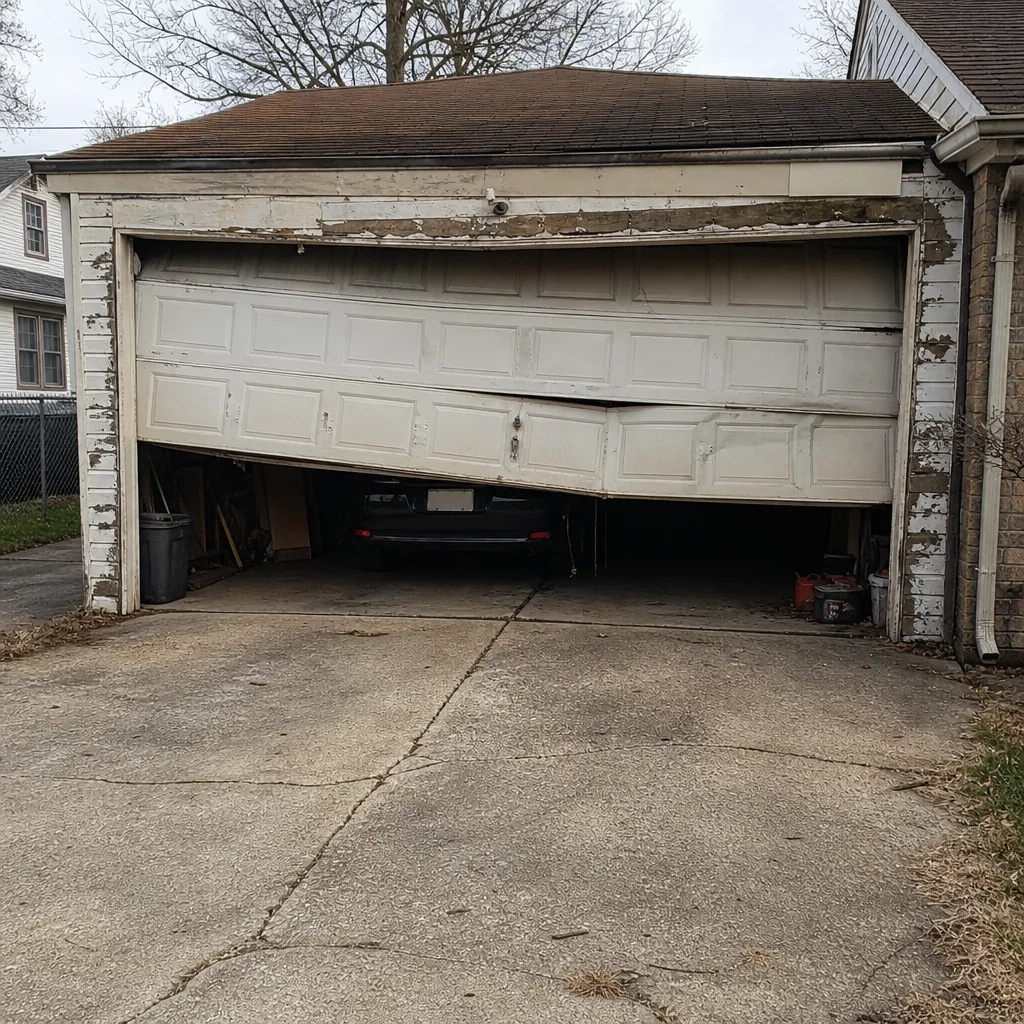 Before
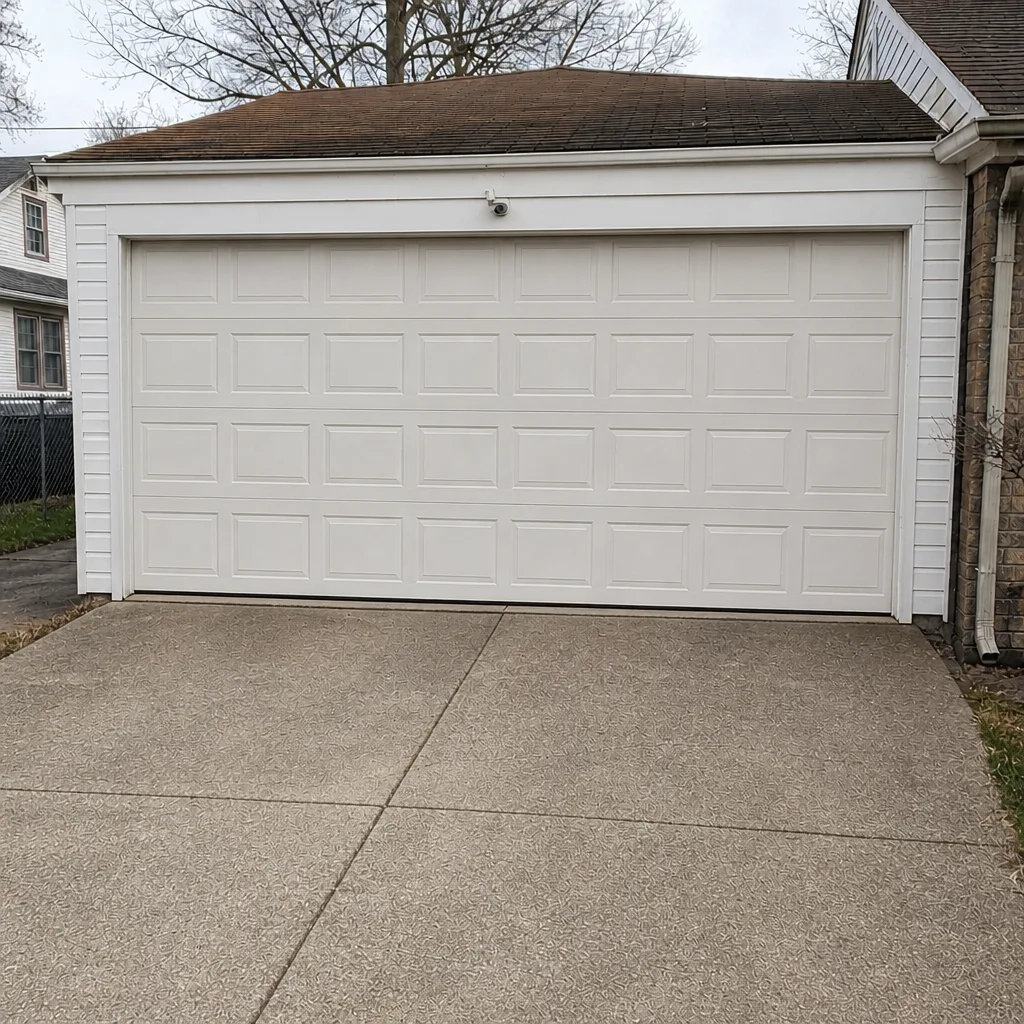 After
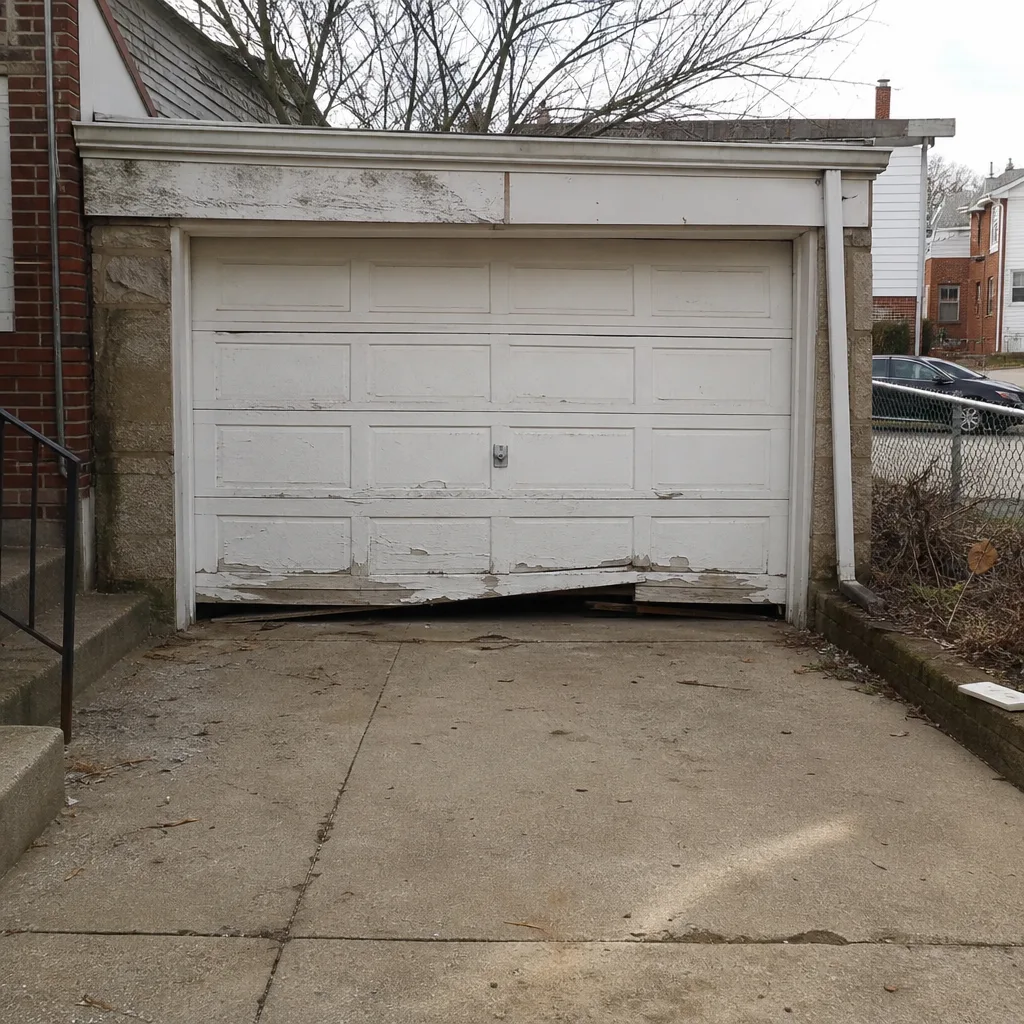 Before
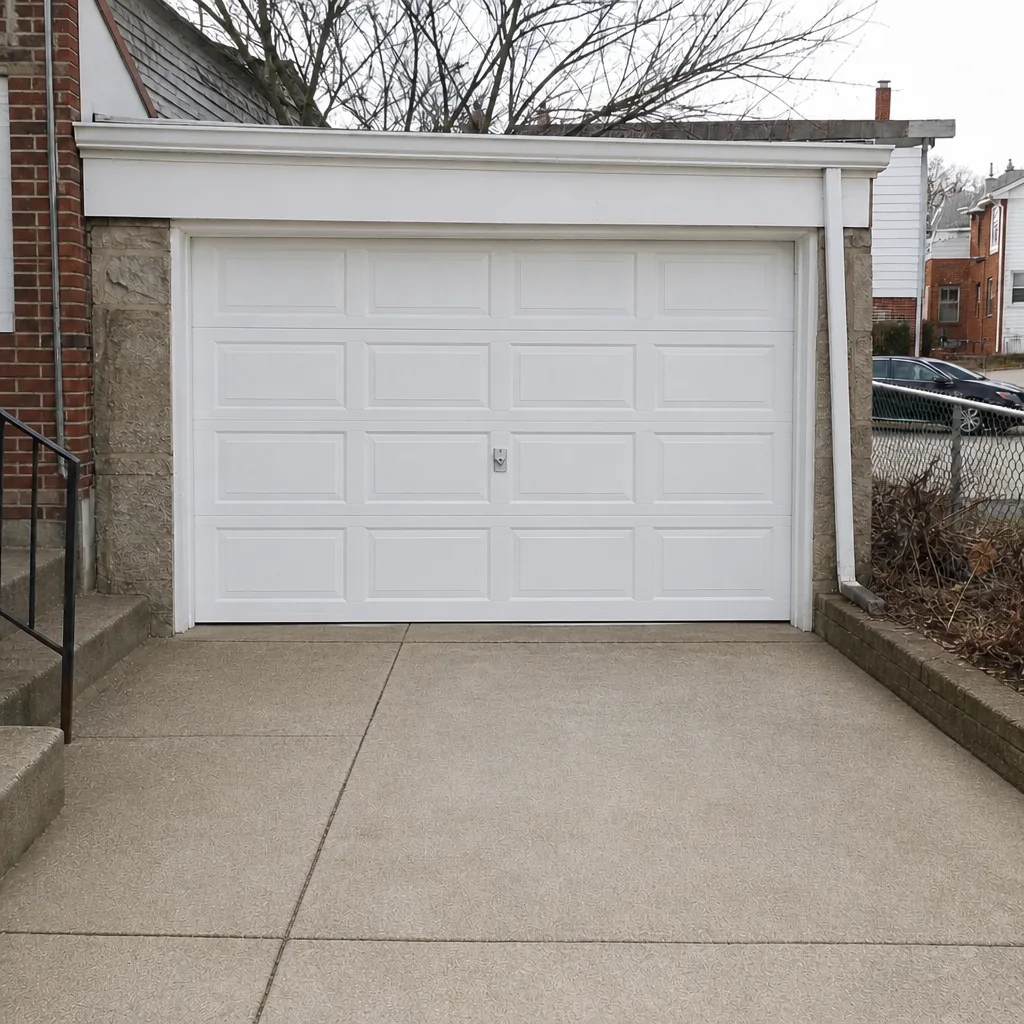 After
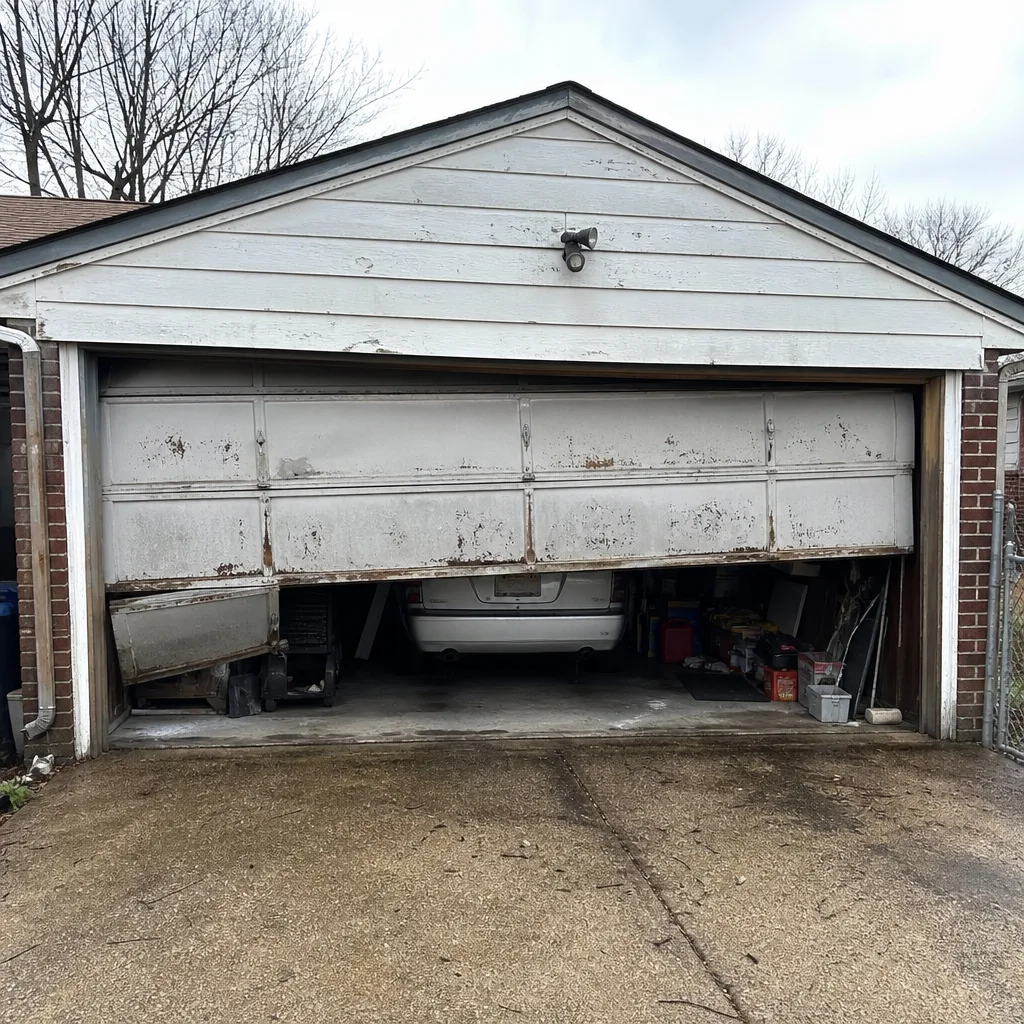 Before
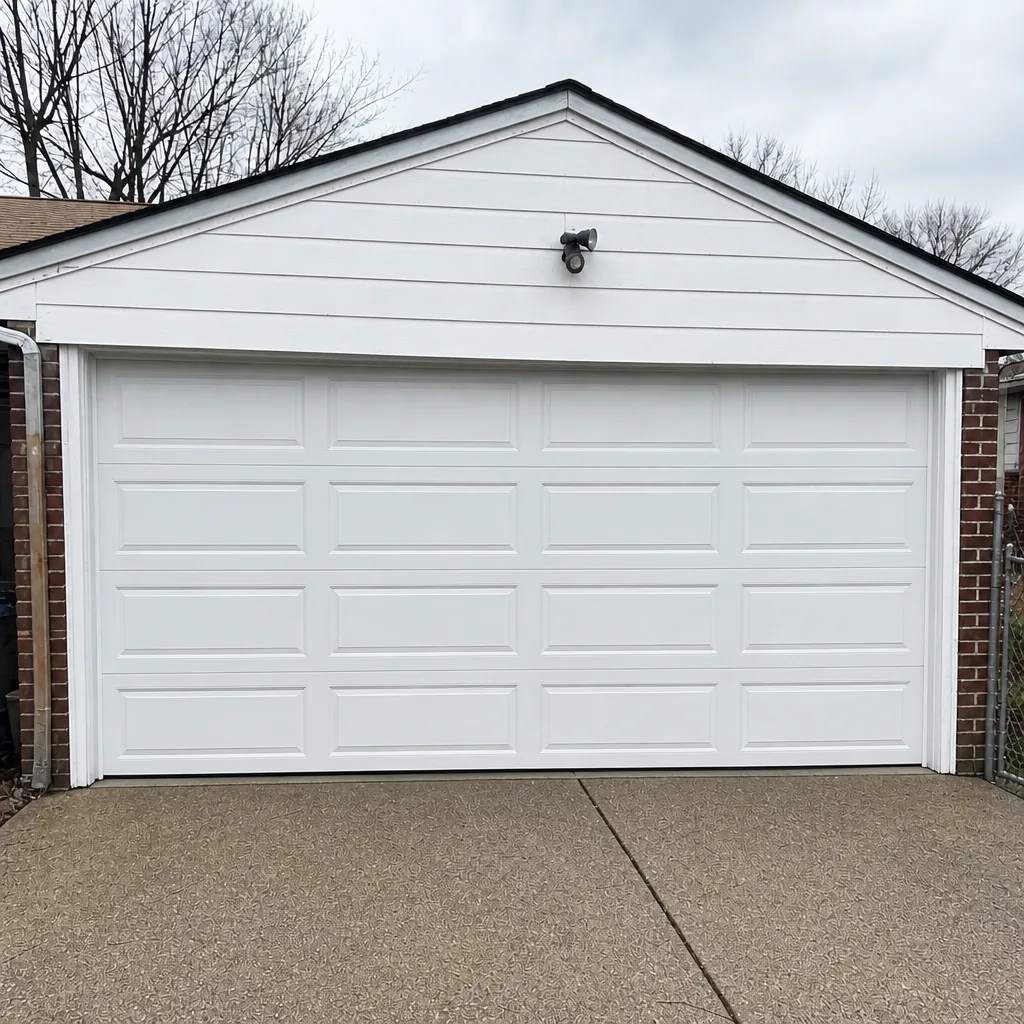 After