
Last updated November 21, 2026
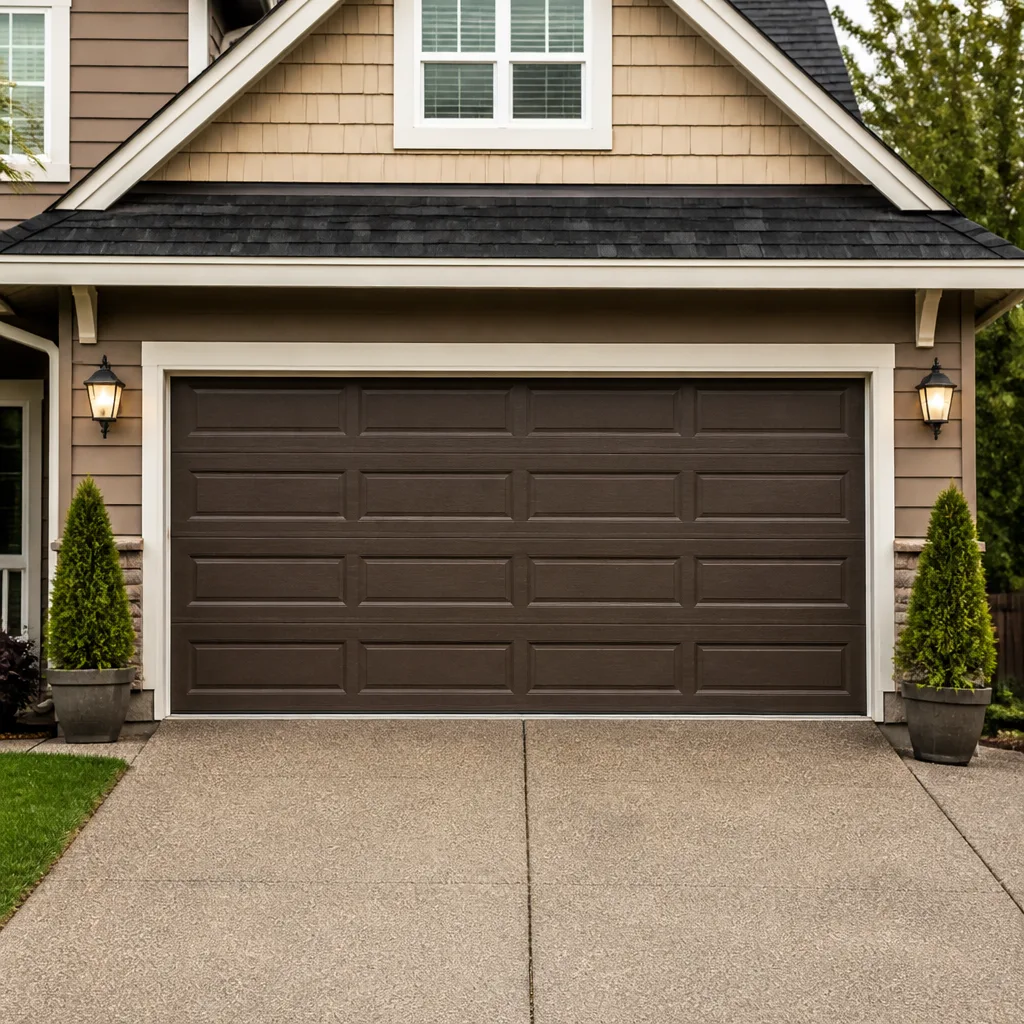 Raised-panel steel
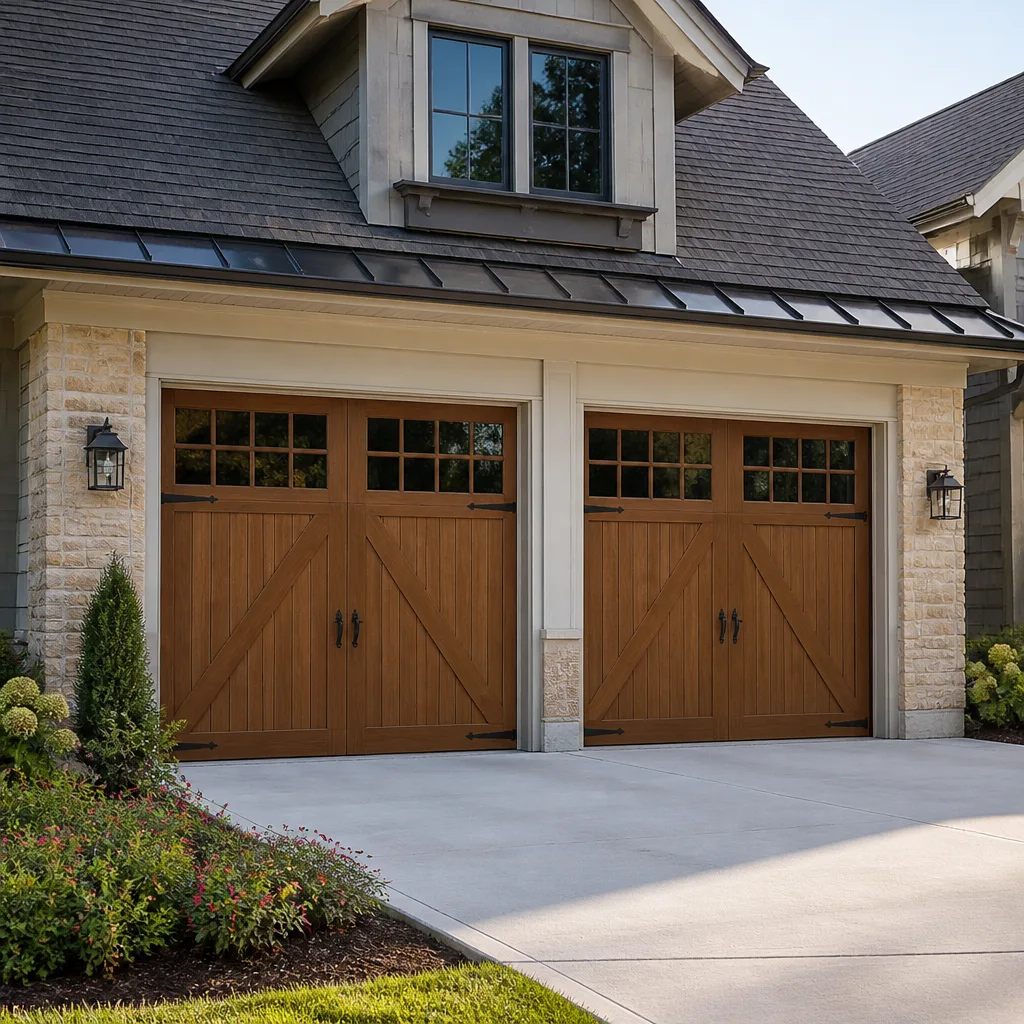 Carriage house
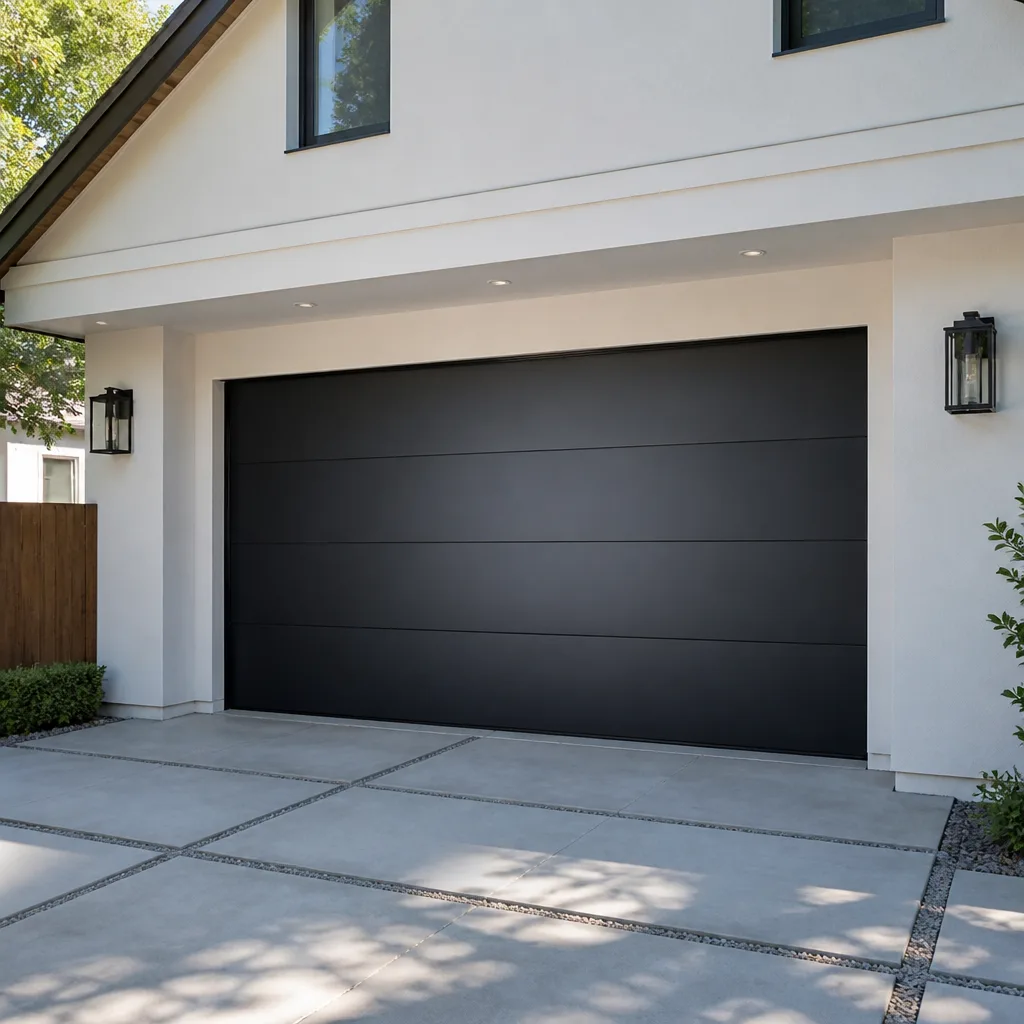 Modern flush
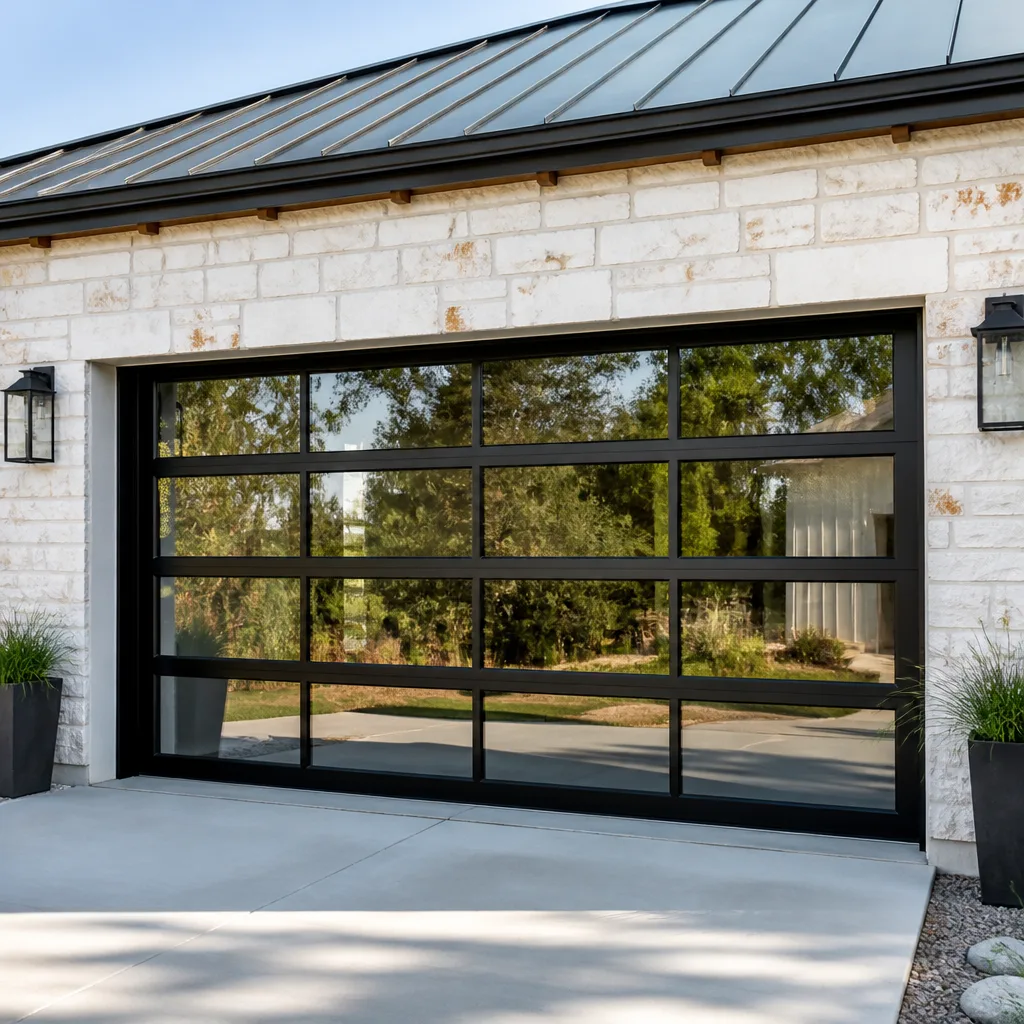 Full-view glass
 LiftMaster openers
 Chamberlain openers
Full 25-point door and opener safety check with every visit - springs, cables, rollers, tracks, and your LiftMaster or Chamberlain opener included
You get a price before we start. It does not change when the pro arrives.
Get your free estimateGarage Door Warning Signs: A Frankford Homeowner’s Reference Guide
A door that takes two seconds longer to open than it did six months ago isn’t “getting old.” It’s describing a specific mechanical problem to anyone who knows how to listen. Most homeowners wait for something to break, then call. The people who avoid the expensive calls are the ones who noticed a change in sound, speed or alignment early and had it looked at while it was still small. This guide is built around those early signals: the ones a trained ear catches and a busy homeowner waves off as normal. We’ll map each sound and movement to the component behind it, show you what you can safely observe without touching any hardware, and give you a 30-second monthly routine that catches most developing problems before they turn into failures. It’s written for Frankford homeowners who’d rather understand their door than guess at it.
Quick Answer
The most important garage door warning signs in Frankford are changes in sound (grinding, popping, squealing, rattling), changes in movement (slower opening, uneven lifting, reversing mid-cycle), and visible wear in the spring and cable system seen from a safe distance. Any single one of these means the door needs a professional look before it’s used again. The intermittent problems are the ones to take most seriously, because a door that fails once will fail again, usually without warning and usually when you’re in a hurry.
Styles & brands we work with
- Raised-panel steel
- Carriage house
- Modern flush
- Full-view glass
- LiftMaster openers
- Chamberlain openers
Table of Contents
- What Your Door’s Sounds Are Telling You
- What You Can Safely See in the Spring and Cable System
- Decoding Changes in How Your Door Moves
- Why an Opener That “Works Fine Most of the Time” Is the Riskiest Kind
- Does Brand Matter When Something Starts to Fail?
- The 30-Second Monthly Routine
- Repair or Replace? Reading the Signals Together
- What Frankford Weather Does to a Door Over Time
What Your Door’s Sounds Are Telling You
Sound is the earliest and most reliable warning your door gives you, and it’s also the one homeowners misread most often. A garage door is a mechanical system with a known set of moving parts, and each part fails in a characteristic way. When you hear something new, you’re hearing a specific component change condition. The trick is knowing which sound points at which part.
- Grinding: Usually the opener’s internal gears or the door’s rollers and tracks. A low grind that starts the moment the motor engages and stops when the door stops moving often points at the opener. A grind that continues while the door travels points at the rollers or a track that’s out of alignment.
- Popping: Frequently a torsion spring that’s beginning to bind, or a cable that’s jumped or is catching on a drum. A single loud pop followed by a door that won’t lift means the spring has likely failed. Repeated smaller pops during travel deserve a look before the next use.
- Squealing: Almost always friction. Dry rollers, dry hinges, or a torsion tube that’s lost lubrication. Squealing is the least urgent of the four, but it’s telling you that parts are wearing faster than they should.
- Rattling: Loose hardware. Hinges, brackets, or the opener’s rail mounting. Rattling is often the easiest to fix and the most ignored, because the door still works. Left alone, loose hardware works itself looser.
One useful habit: stand in the garage, not the driveway, when the door runs. You’ll hear the difference between a sound coming from the ceiling-mounted opener and one coming from the door itself. That single distinction saves a lot of diagnostic time when you call for garage door repair.
What You Can Safely See in the Spring and Cable System
You can learn a great deal about your spring and cable system from the floor, without touching anything. This matters because the torsion spring and the cables under tension are the most dangerous parts of the entire door, and no homeowner should be adjusting, lubricating or inspecting them by hand. Trained technicians handle that work for good reason. What you can do is look.
Here’s what to check, standing back:
- Look at the spring above the door. A torsion spring should be one continuous coil. A visible gap in the coil means the spring has broken. A door with a broken spring should not be operated, by hand or by opener.
- Look at the cables on each side. They should run straight and sit neatly in their drums at the top corners. A cable that looks slack, frayed, kinked or off its drum is a stop-use condition.
- Look at the door’s horizontal line. Stand back and check whether the bottom edge sits parallel to the floor. One side higher than the other signals a cable, drum or spring problem.
- Look at the tracks. They should be straight and evenly spaced. A visible bend, or a gap between the roller and the track edge, tells you the door is no longer tracking correctly.
- Look at the panels. Small dents and bends in the door panels can eventually affect how the door rolls and seats.
If you see a broken spring, a slack or damaged cable, or an uneven door, stop using the door and call for help. Springs and cables are high-tension components, and a mishandled one can cause serious injury. This is not a job to attempt yourself, no matter how straightforward a video makes it look. For Frankford homeowners, a call to a specialist is the difference between a straightforward repair and a much larger problem.
Decoding Changes in How Your Door Moves
Movement changes are the second great early-warning system, and they’re easy to miss because they develop gradually. The door still opens. It still closes. It just does both a little differently than it used to. That difference is data.
- Slow opening: If the door has gradually slowed, the opener may be straining against a door that’s become heavier to lift. Worn rollers, a dry torsion system, or a spring that’s losing tension all add resistance. A door that needs more force than it used to is a door working harder than it should.
- Uneven lifting: One side rising before the other points to a cable, drum or spring issue on the lagging side. Don’t keep running it hoping it evens out; an uneven door puts twisting stress on the panels and tracks.
- Reversing mid-cycle: A door that goes up partway and comes back down, or starts down and reverses, is usually telling you the safety sensors are misaligned or obstructed, or the opener’s travel limits have drifted. Sometimes it’s the logic board. Either way, it’s an opener problem, and it belongs with garage door opener repair.
- A door that won’t close all the way: Often the safety reverse system doing its job plus a sensor problem. Less often, a physical obstruction in the track. Both need attention before you rely on the door to secure the house.
Behavioral changes are cumulative. A door that’s slightly slow today is often noticeably slow in a month, and stuck in three. Catching it at the “slightly slow” stage is the whole point of this guide.
Why an Opener That “Works Fine Most of the Time” Is the Riskiest Kind
Here’s the counterintuitive part of this whole subject. A garage door that has stopped entirely gets fixed, because it has to. A door that fails one time in ten gets used for months, because nine times out of ten it works and the tenth time feels like a fluke. That intermittent pattern is more dangerous than a hard failure, and here’s why.
An intermittent failure means a component is at the edge of its tolerance: a sensor that’s marginally misaligned, a logic board with a failing connection, a limit switch that’s drifted, a spring that’s about to give. The system still passes sometimes. But the failure timing is unpredictable, and the dangerous scenario is the one where the door starts closing as a car or a person is moving underneath it. Safety reverse systems exist precisely to catch that, and if the same component causing the intermittent failure is part of the safety circuit, you’ve lost your safety net exactly when you need it.
Intermittent problems also get worse. They don’t plateau. A door that fails one in ten today becomes one in five, then one in two, and the final failure always seems to happen at the worst possible moment. For a Frankford homeowner, that’s often late at night with the car inside and the door refusing to close.
So treat intermittent failure as urgent. If your door has reversed unexpectedly, refused to close, or stopped partway even once, get it looked at before you decide it was a one-off. Intermittent issues are also the hardest to diagnose over the phone, which is exactly why an experienced technician needs to see the door in person.
If the door won’t close and you need it secured, call (855) 337-1053. We answer 24/7. Fast dispatch from 7am to 7pm, Sunday through Friday. Same-day repair is available, and we work on the brand you already have.
Does Brand Matter When Something Starts to Fail?
Brand matters less at the warning-sign stage than it does at the repair stage, but it matters. Different openers and doors fail in different ways, and knowing the brand tells a technician which failure modes to check first. It also tells them which parts they’ll need, which is where a lot of repair time gets wasted on doors that aren’t diagnosed correctly.
We’re trained and equipped to service the eight brands most commonly installed on homes: LiftMaster, Chamberlain, Genie, Clopay, Amarr, Wayne Dalton, Craftsman and Raynor. In practice, that means when you describe a sound or a pattern, we can often narrow it down before we arrive, because we know how a Craftsman opener typically fails versus how a LiftMaster does. We know the common trouble spots on a Wayne Dalton door and where a Raynor tends to show wear first.
None of that is a reason to become a brand detective yourself. It’s a reason to tell the person on the phone what you have. The make and model are usually on a sticker inside the opener housing or on the door’s hinge plates. If you can read those before you call, the diagnosis starts faster.
The single-trade focus is what makes this useful. Every technician, every tool and every part on the job is oriented around garage doors. No generalist detour, no guessing at a system that isn’t quite the one they see every day.
The 30-Second Monthly Routine
You can catch the overwhelming majority of developing garage door problems with a routine that takes about 30 seconds once a month. It’s entirely observational, it requires no tools, and it gives you a baseline so that “different” jumps out at you instead of getting lost in the noise of daily life. This is the routine we’d suggest to any Frankford homeowner.
- Run the door once and listen. Stand in the garage. Note whether it sounds like it sounded last month. Any new grind, pop, squeal or rattle is the signal to stop and look closer.
- Watch the door travel. Does it rise evenly? Does it pause or reverse? Is it slower than you remember?
- Look at the spring and cables from a distance. A continuous coil, straight cables, and an even bottom edge. Don’t touch. Just look.
- Check the safety sensors with a glance. The two small lights at the bottom of the tracks should be on. If one is blinking or dark, the sensor is calling for help.
- Test the door’s safety reverse. With the door closing, pass a hand through the sensor beam. The door should reverse. Don’t test the mechanical reversing feature by pressing on the door edge; the sensors are the safe test.
- Look at the weather seal along the bottom. A worn seal lets in drafts, water and pests, and it’s an early sign the door isn’t seating the way it used to.
That’s it. Six things, 30 seconds. Do it monthly and you’ll know your door better than most homeowners know their car, and you’ll catch the changes before they turn into emergencies.
Repair or Replace? Reading the Signals Together
No single warning sign tells you whether to repair or replace. It’s the pattern that matters: what’s failing, how often, and whether the door is still structurally sound. A door that’s showing one early sign is almost always a repair. A door that’s showing several at once, or that’s been repaired repeatedly, deserves a conversation about replacement.
- Leaning toward repair: one component failing (a spring, an opener, a cable), the door panels and tracks are sound, and the door otherwise runs well. Most garage door problems in Frankford fall here, and they’re handled with a targeted repair that restores full function rather than patching the visible symptom.
- Leaning toward replacement: door panels that are dented, bent or sagging; tracks that can’t be straightened; repeated repairs to the same system; or a door that’s simply beyond the point where further repairs make sense. That’s where garage door installation comes in.
The right fix, not the easy fix, is the standard we hold to. Sometimes the easy fix is a cheaper repair that will need doing again in a few months. We’d rather tell you the honest answer up front, even when the honest answer involves a replacement you weren’t expecting.
For either path, the estimate is free and the price is quoted and agreed before any work starts. You’ll know what the job involves and what it costs before anybody picks up a tool.
What Frankford Weather Does to a Door Over Time
Frankford’s climate does a specific kind of work on garage doors, and understanding it helps you interpret the signs you observe. Temperature swings are the biggest factor. A wood or steel door expands and contracts as the seasons change, and that movement works its way into every joint, hinge and fastener on the door. It’s why loose hardware is one of the most common findings on older doors in this area, and it’s why a door that was quiet in one season can develop a rattle in the next.
Moisture is the second factor. The cycle of wet and dry we get here affects wood door panels, weather seals and the hardware near the bottom of the door. A worn bottom seal lets water in, which accelerates wear on the panels and the floor threshold. Inspecting the seal is one of the most overlooked items on the monthly routine.
The third factor is simple age plus cycles. Every open and close is one cycle on the spring, and springs are rated for a limited number of them. A door used heavily, in any climate, will wear out its spring. That’s not a defect; it’s expected wear. The warning signs in this guide are how you catch it before it announces itself with a bang.
None of this is unique to Frankford, and none of it is cause for alarm. It’s just the local context that makes the early warnings a little more worth watching.
Common Mistakes to Avoid
- Waiting for a complete failure. A door that still works is a door you can still fix cheaply. A door that has stopped is an emergency call, which is almost always the more expensive way to find out. Early is the whole game.
- Dismissing intermittent problems as flukes. One failure in ten is a warning, not a coincidence. The safety circuit is often involved, and that’s the part you rely on to stop the door before it hurts someone or something.
- Touching or adjusting the spring or cable yourself. These are high-tension components. Watch them from a distance. That’s the inspection you’re allowed. A do-it-yourself attempt here is genuinely dangerous.
- Assuming a general handyman can handle it. Spring work is a specialist job and many generalists avoid or outsource it. If the person you’re calling isn’t a dedicated garage door specialist, ask who’s actually doing the spring work.
- Ignoring the brand question. A generalist with generic parts will give you a generic approximation of your door’s real problem. The brand and model on the sticker matter, and telling us up front saves a return visit.
- Skipping the sensor test. The safety sensors are the most important safety feature on the door, and they’re the one your monthly routine can check in two seconds. Don’t wait for a failure to prove they work.
- Treating slow opening as normal. A door that’s gotten slower is a door working harder. That resistance is a warning sign, not a personality trait, and it’s usually the earliest thing you’ll notice.
Above all, avoid the assumption that a garage door problem will fix itself or stay small. It won’t, and it won’t. The pattern in this trade is that warning signs get resolved cheaply early and expensively late. If you’re not sure which stage you’re at, call and describe it. A short conversation with a specialist will usually tell you whether it’s a watch-it or a fix-it.
See the difference
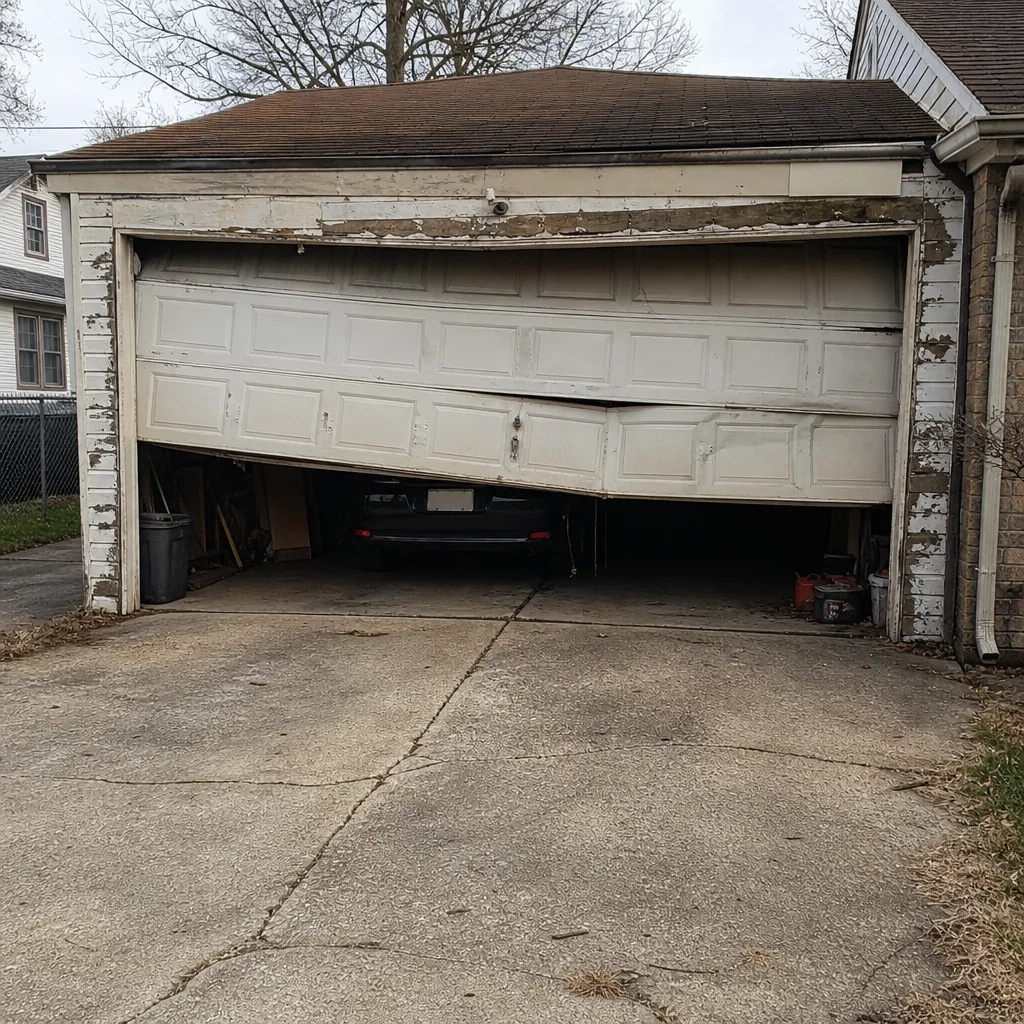 Before
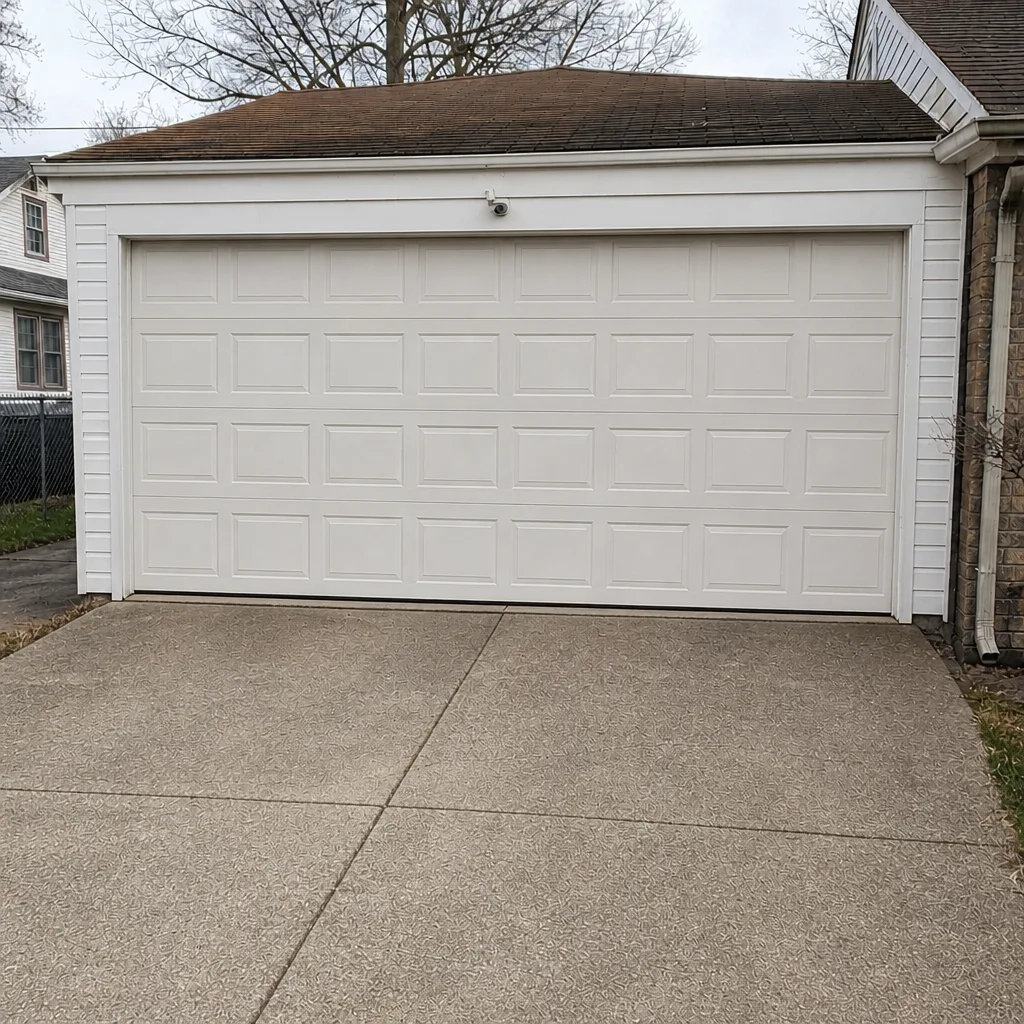 After
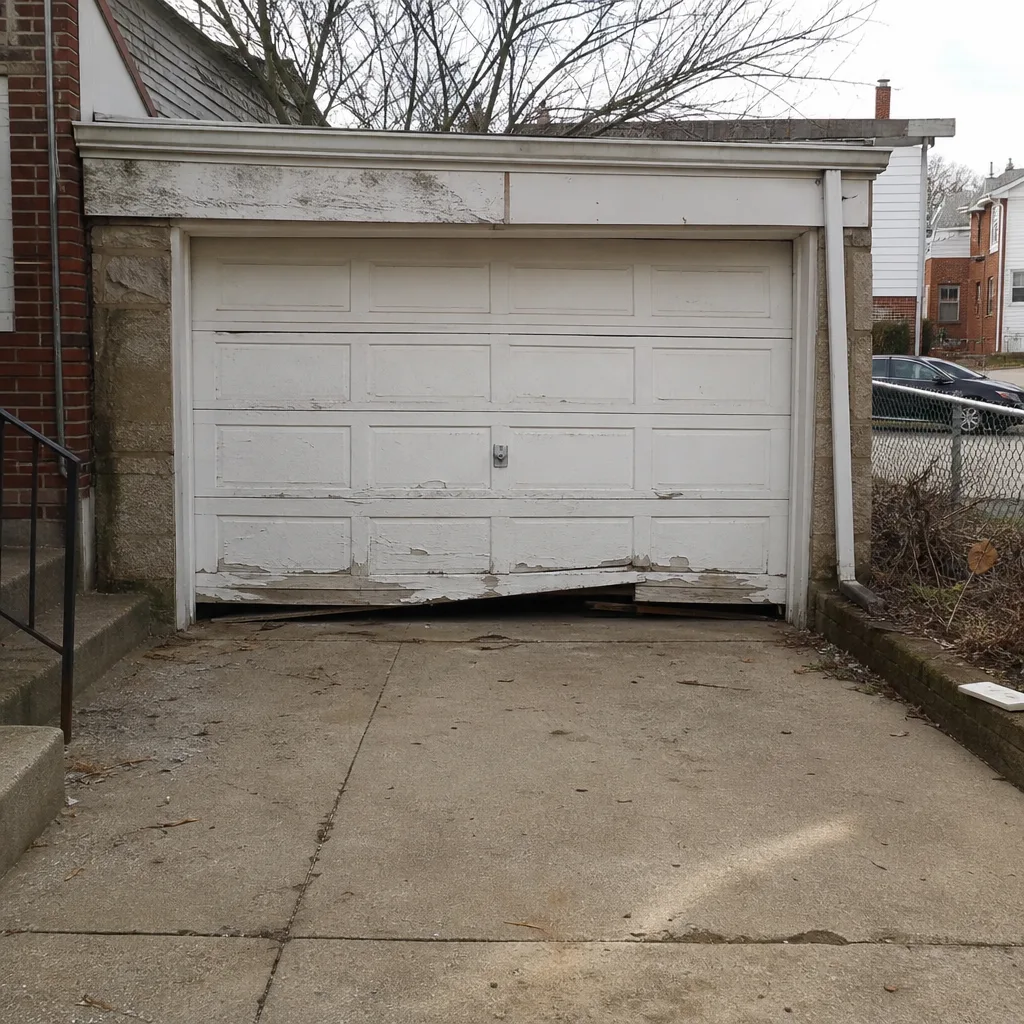 Before
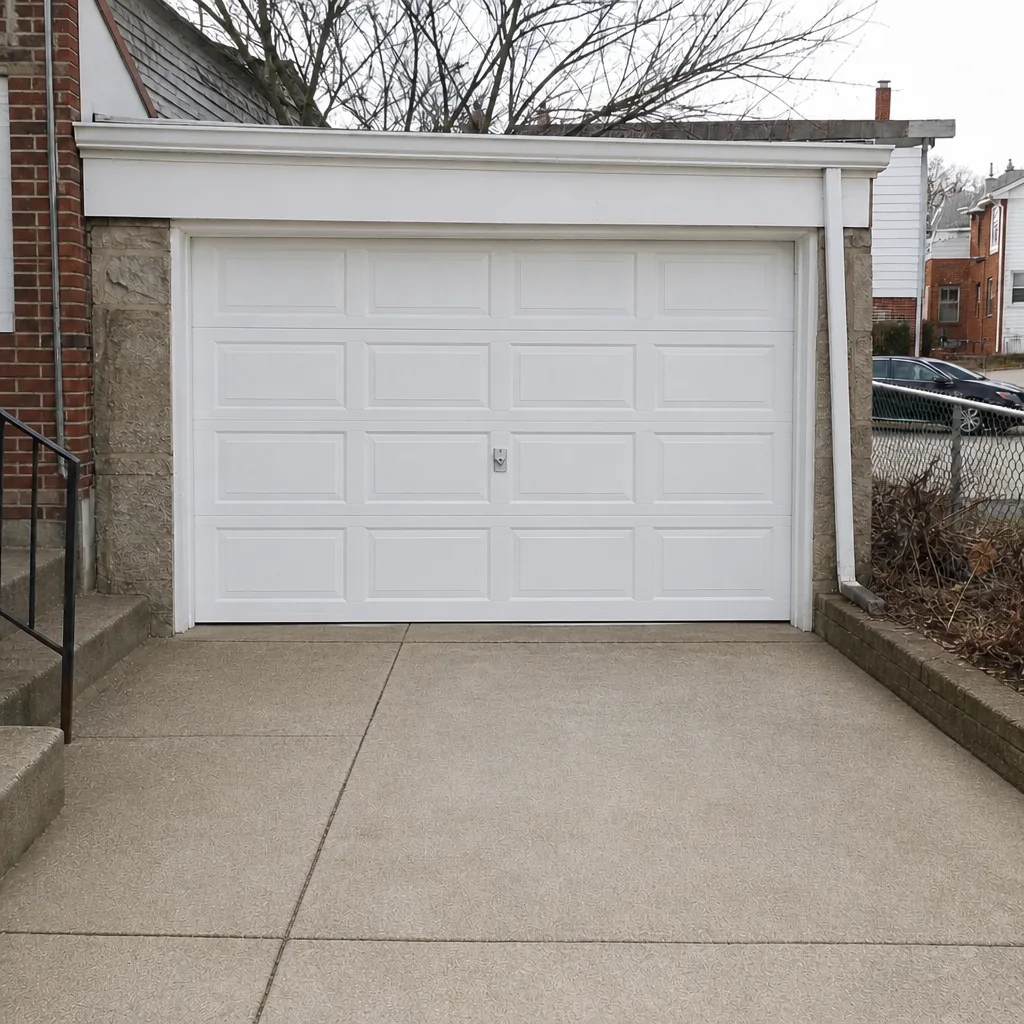 After
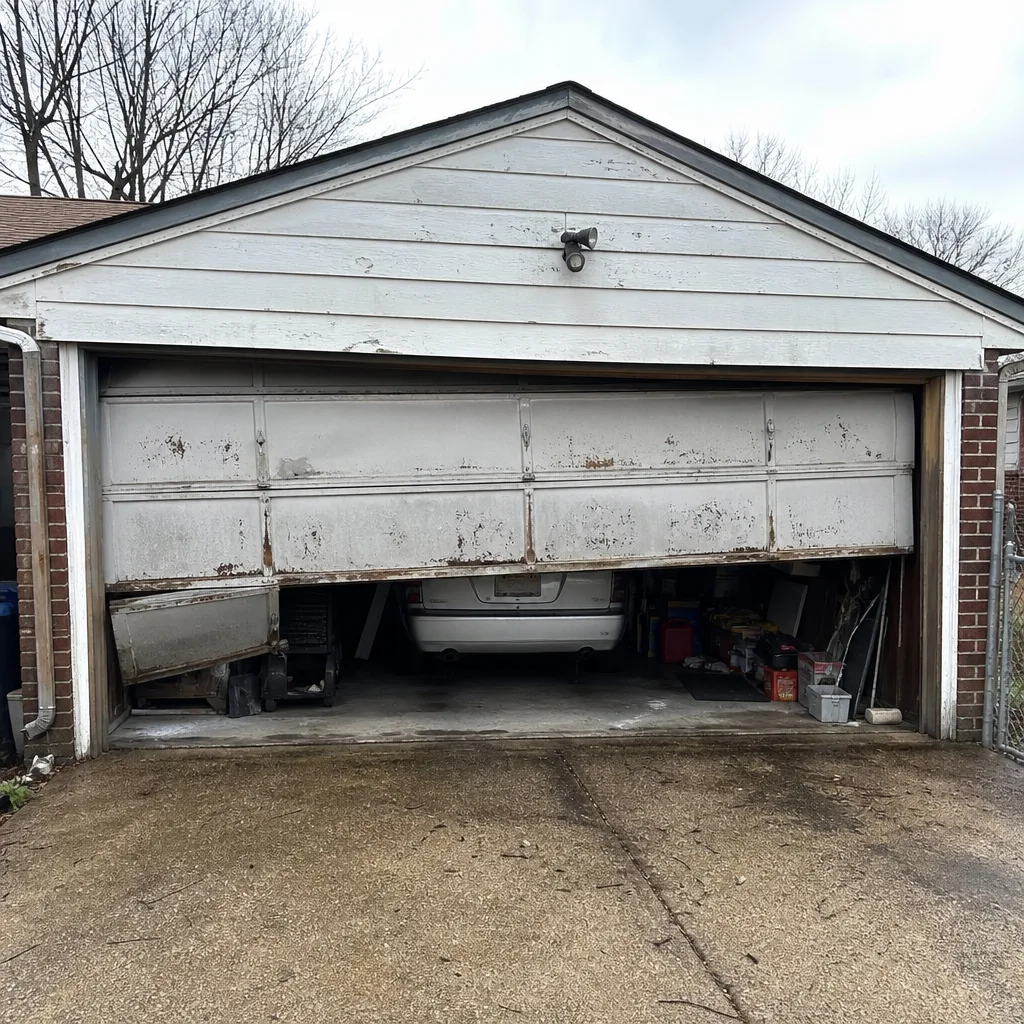 Before
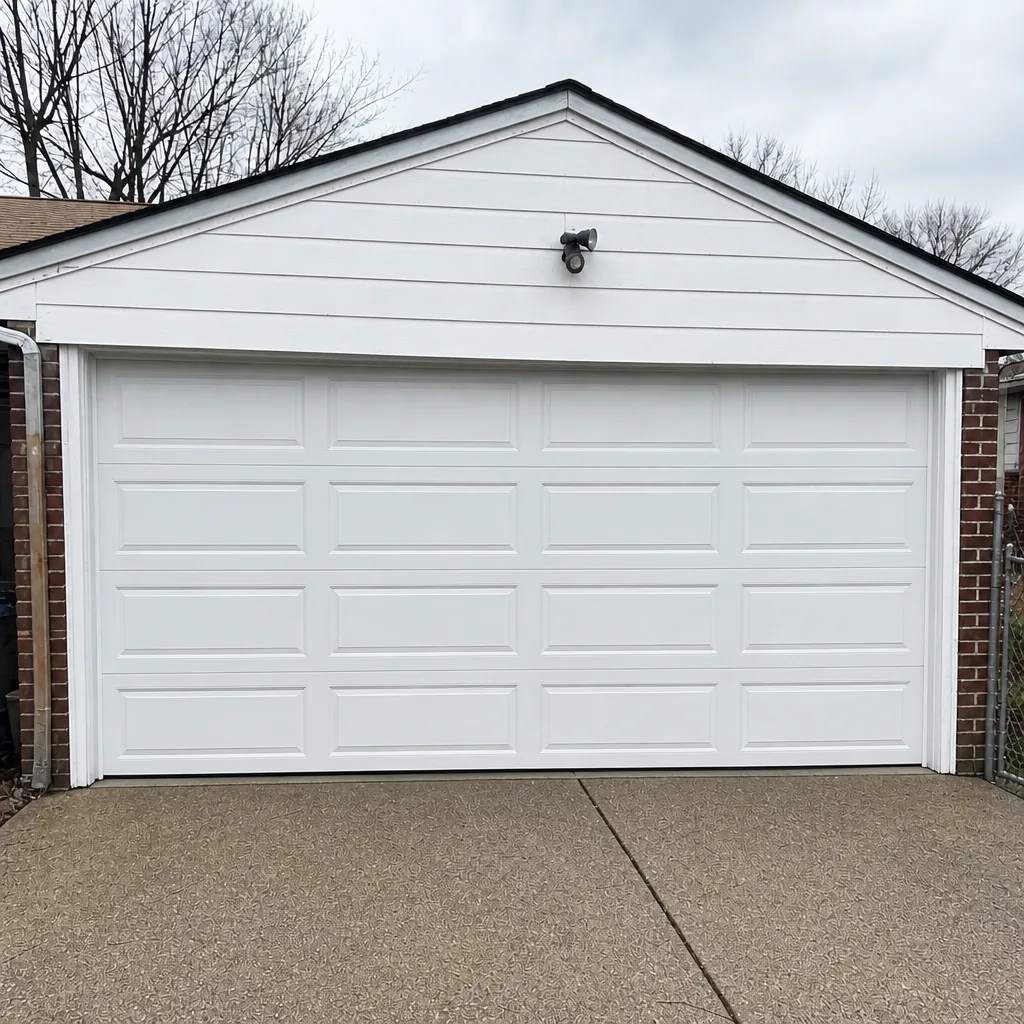 After
When to Call a Professional
Call a professional if you see a gap in the torsion spring, a slack or damaged cable, or a door that’s visibly uneven or off its tracks. Call if the door has reversed unexpectedly, refused to close, or stopped partway even once. Call if the sound has changed and stayed changed, or if the door is noticeably slower than it used to be. Call if the opener is behaviorally inconsistent or the safety sensors are flaking in and out. And call if the door fails on a day that isn’t convenient, because a door that won’t close is a security problem you shouldn’t sit on. A dedicated garage door specialist will diagnose the actual cause, not the visible symptom, and will give you a written price before any work begins.
Garage Door Repair Frankford offers free estimates in Frankford. Our technicians have up to 12 years of experience. Call (855) 337-1053. We answer 24/7. Fast dispatch from 7am to 7pm, Sunday through Friday. Same-day repair is available, and if you’re already at the point where the door needs replacing rather than repairing, we can talk you through that too.
Frequently Asked Questions
A change in sound. Sound is the earliest and most consistent signal a garage door gives, and it points directly to the component most likely to be failing. Any new grind, pop, squeal or rattle that doesn’t go away within a day deserves a look from a specialist. Call (855) 337-1053 for an exact quote. Estimates are free.
Usually not. Springs almost always give some warning: a pop, a slight change in how the door lifts, a gap in the coil that appears before a full break. The catch is that most homeowners don’t recognize the warning until the door stops working. If you suspect the spring, stop using the door. Springs and cables are dangerous high-tension parts, and this is not a job to attempt yourself. Call (855) 337-1053 and we’ll get a technician out.
No. A door that fails intermittently is typically more dangerous than one that has stopped entirely, because the failure timing is unpredictable and the safety circuit is often the component involved. If your door has failed even once, get it looked at before you decide it was a fluke. Call (855) 337-1053 to talk it through.
Yes for most repair calls. We treat a door that won’t close as a priority, because the house isn’t secure until it does. We answer 24/7. Fast dispatch from 7am to 7pm, Sunday through Friday. If your call lands outside that window, it’s booked into the next opening. A technician will look at the actual cause and give you a price before any work starts.
No. The written estimate sets the price, and it’s quoted and agreed before any work starts. The estimate itself is free, and you’ll know what the job involves before the technician begins. If the diagnosis turns up something that changes the scope, you’ll hear about it before any additional work is done.
The local professional we connect you with is licensed and insured as the state requires. Our technicians have up to 12 years of experience, and we work directly on the brands you’re most likely to have: LiftMaster, Chamberlain, Genie, Clopay, Amarr, Wayne Dalton, Craftsman and Raynor. Call (855) 337-1053 for a free estimate.
The Bottom Line
Garage door problems announce themselves early, quietly, and mostly through sound and movement. The homeowner who catches the signs at that stage is the one who avoids the emergency call, the overnight wait and the bigger invoice. The 30-second monthly routine in this guide catches the overwhelming majority of developing problems, and it requires nothing but five minutes a year and a willingness to notice. Don’t touch the springs or cables. Do watch them from a distance. Do pay attention to the door’s sound and speed. And when something’s changed and stayed changed, call early rather than late.
For a free estimate on any warning sign you’ve noticed, call Garage Door Repair Frankford at (855) 337-1053. We answer 24/7. Fast dispatch from 7am to 7pm, Sunday through Friday. We service all makes and models we’re trained on, we diagnose the actual cause rather than the visible symptom, and we’ll tell you honestly whether it’s a repair or a replacement. You’ll get the right fix, and your door back in operation today.
For anything beyond a quick observation, start with our Garage Door Repair Frankford page, or call and describe what you’re hearing. We’ll take it from there.
Written by the team at Garage Door Repair Frankford.