
Last updated November 21, 2026
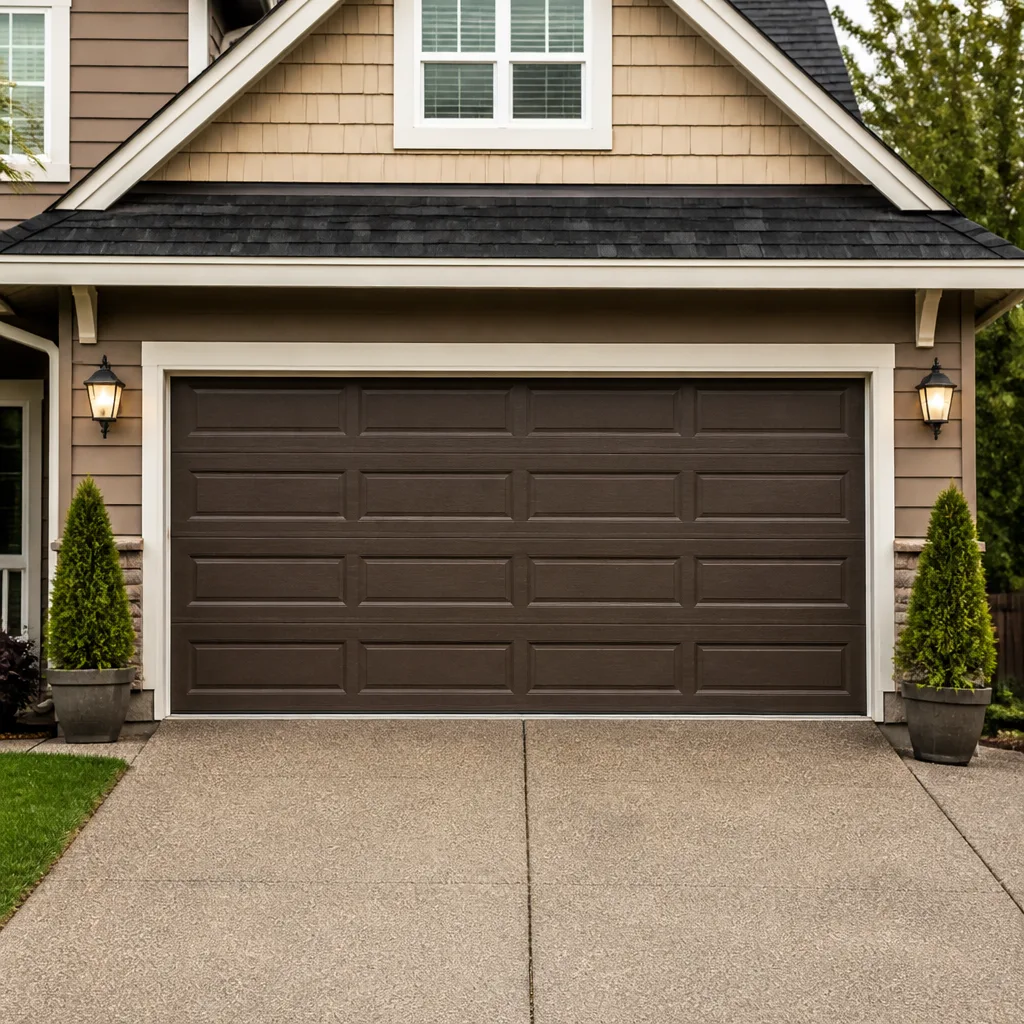 Raised-panel steel
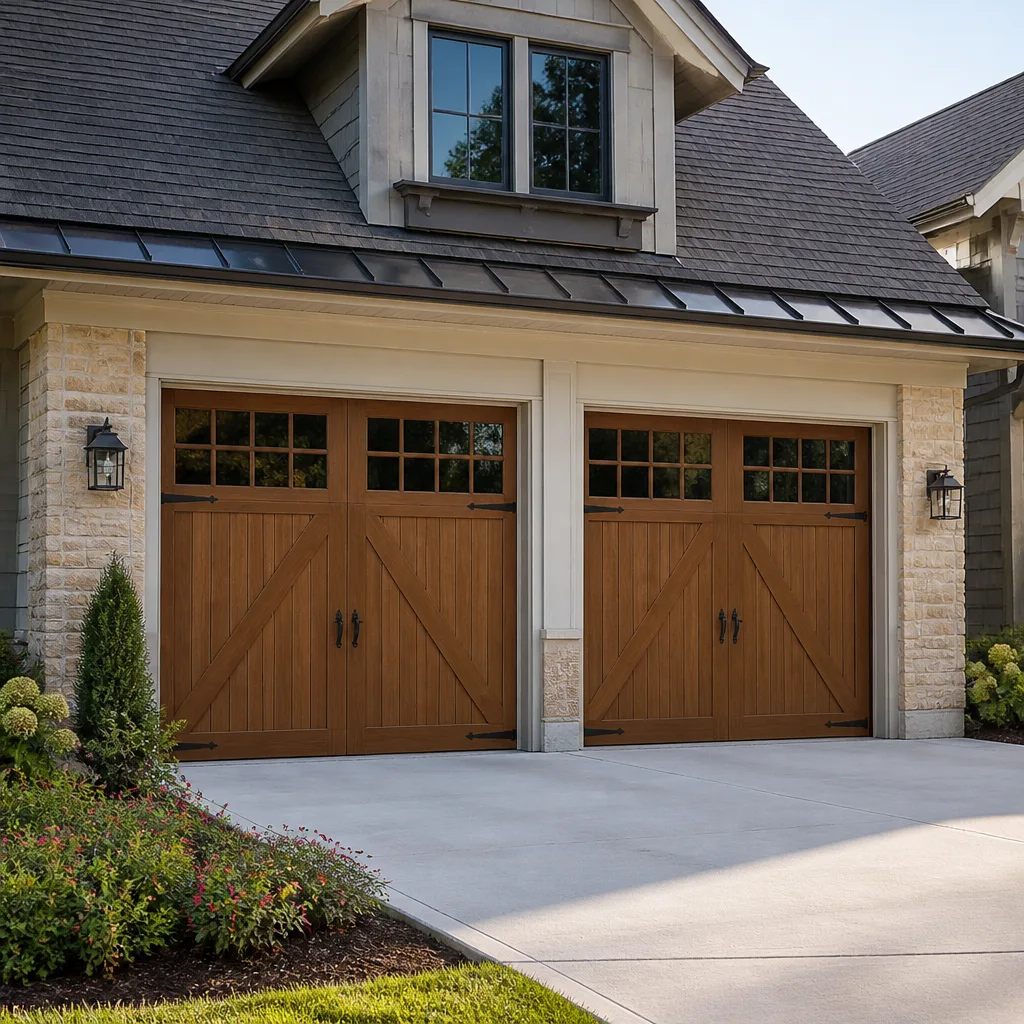 Carriage house
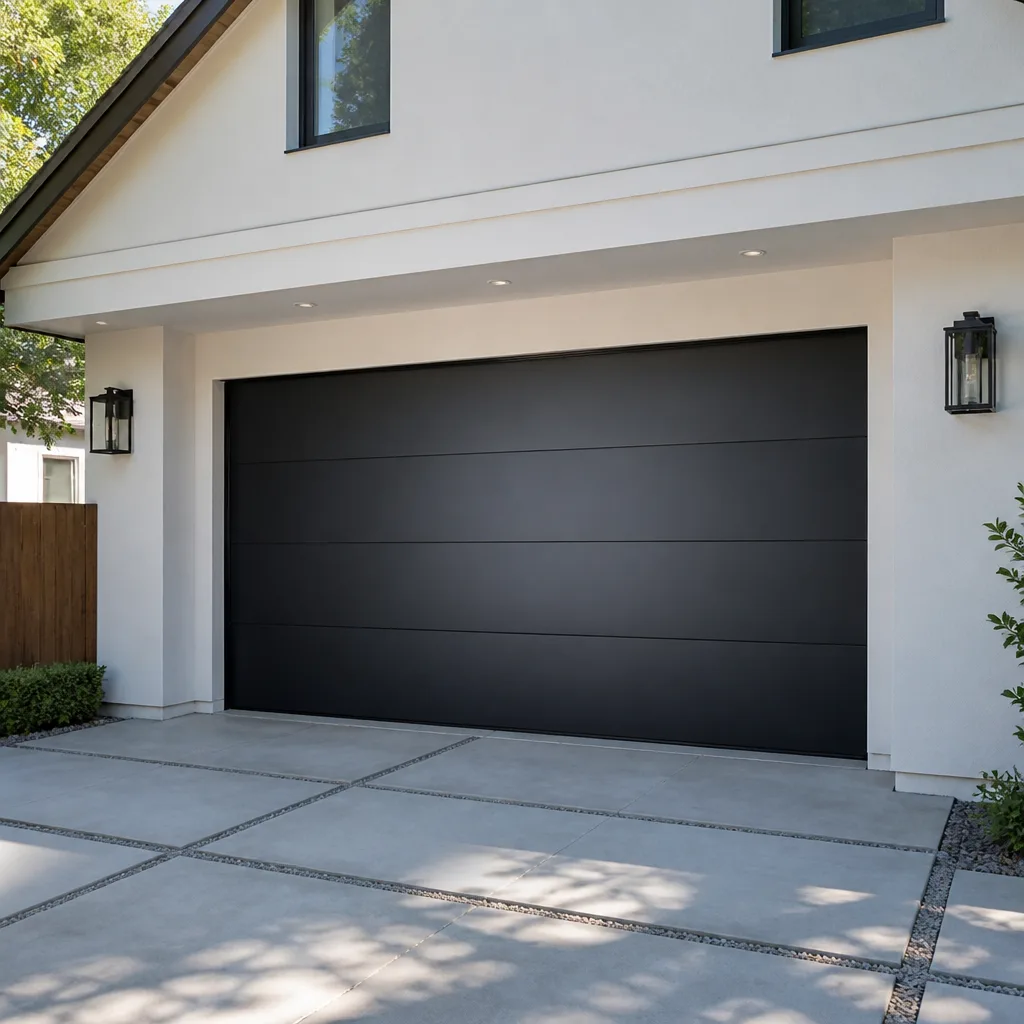 Modern flush
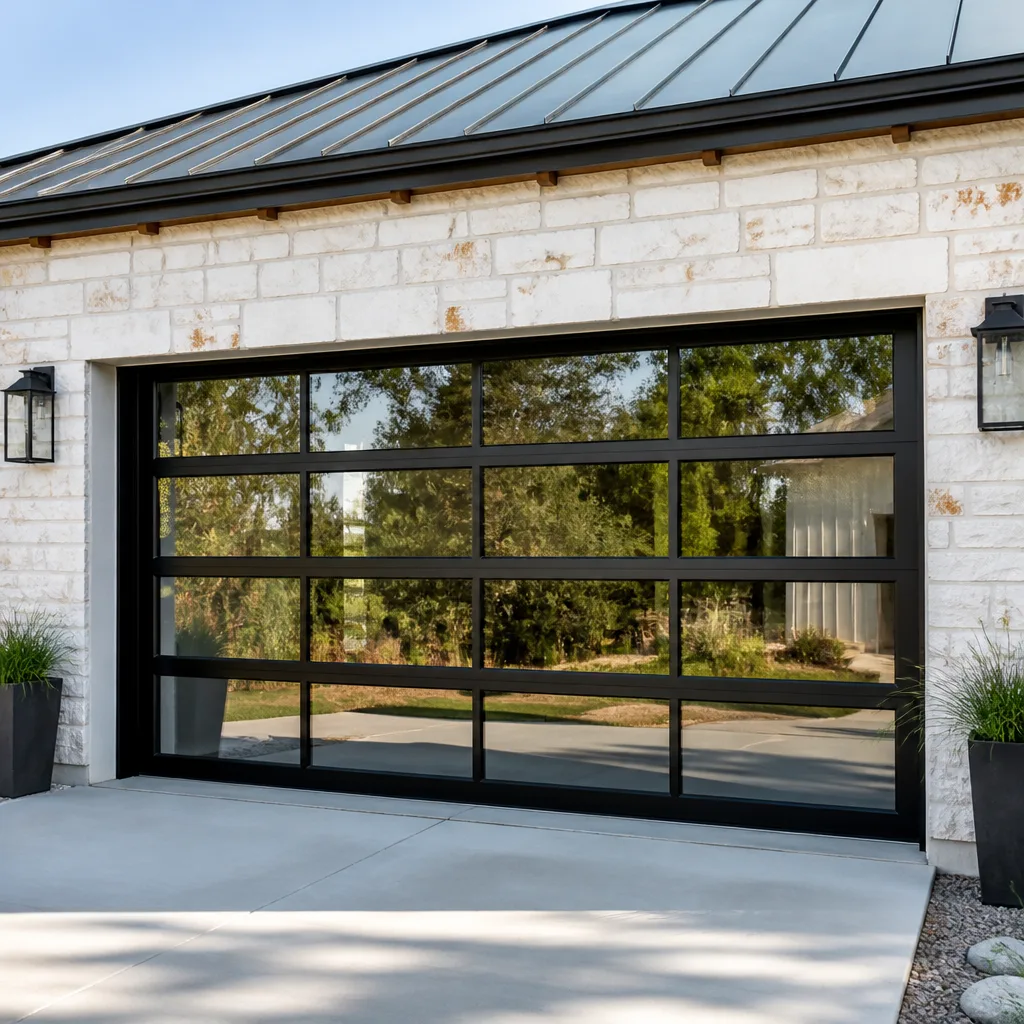 Full-view glass
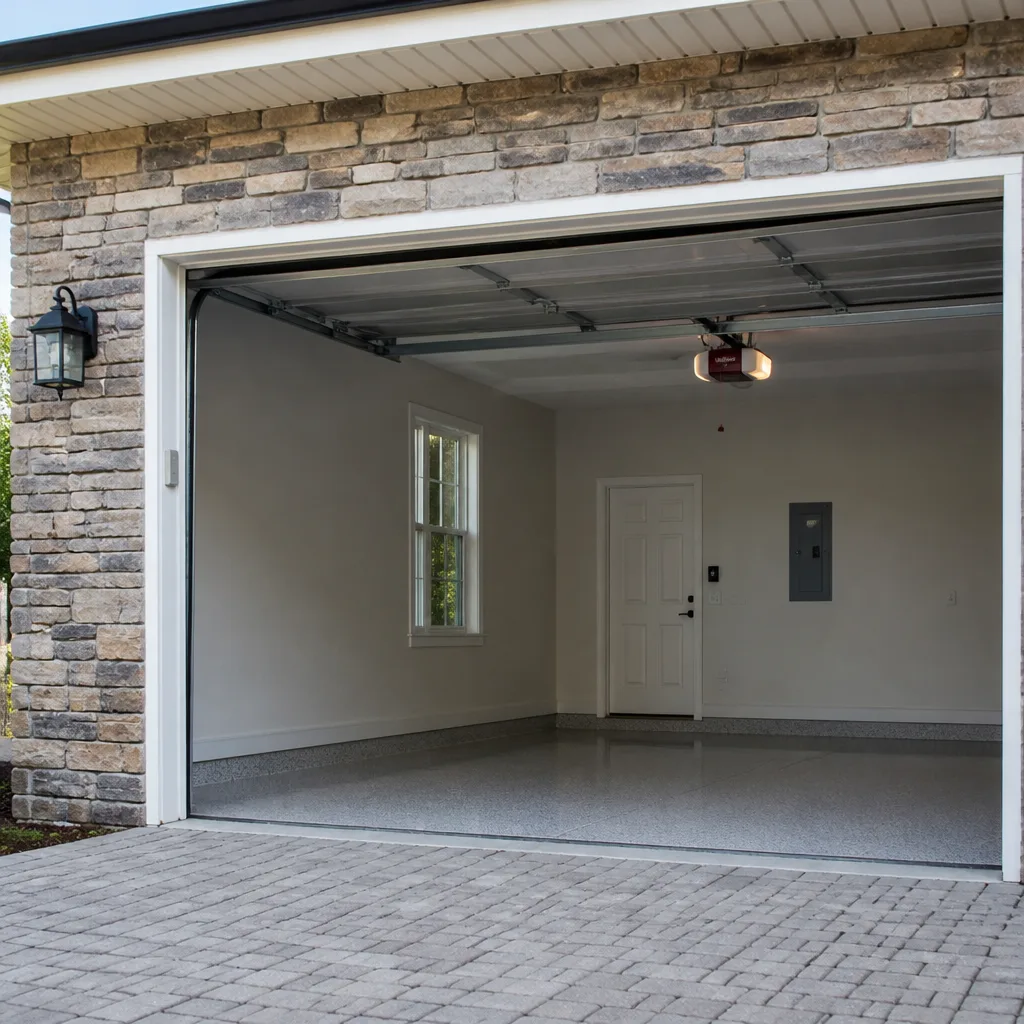 LiftMaster openers
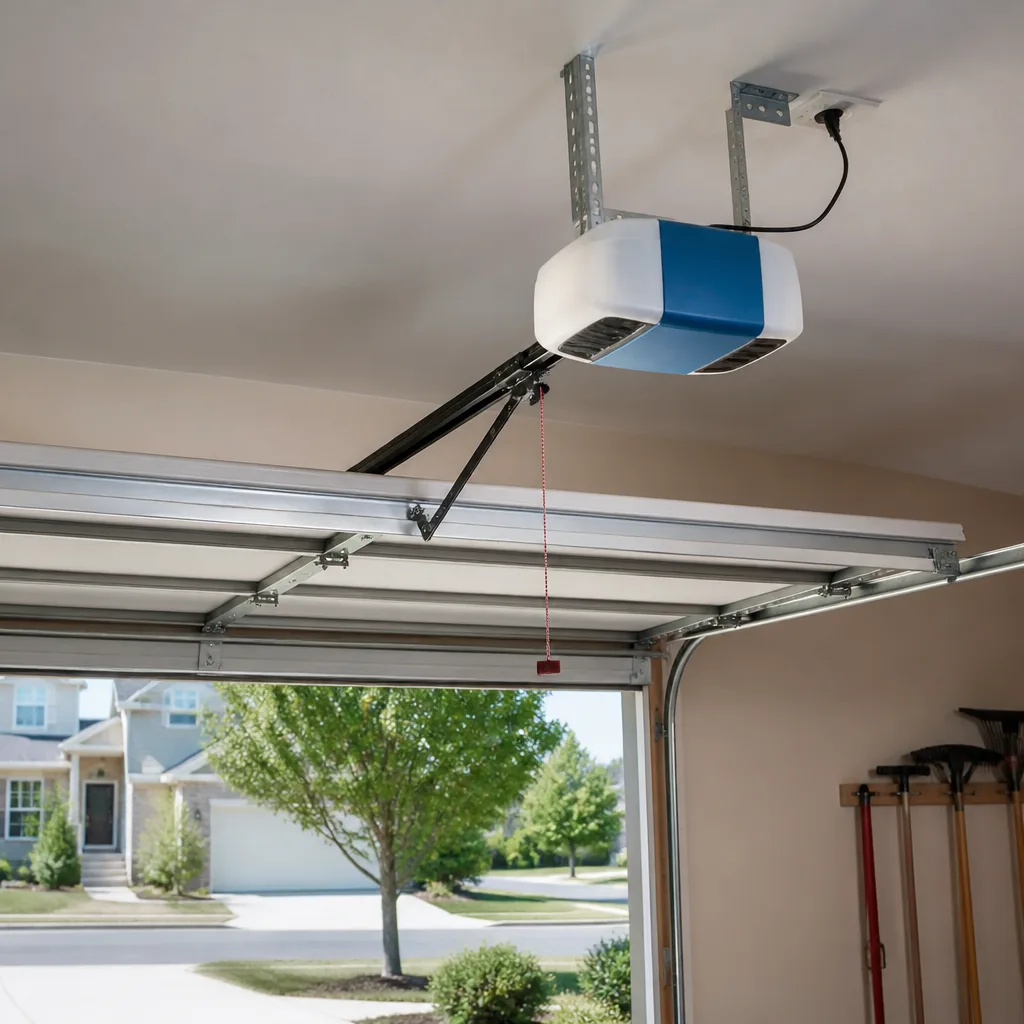 Chamberlain openers
Full 25-point door and opener safety check with every visit - springs, cables, rollers, tracks, and your LiftMaster or Chamberlain opener included
You get a price before we start. It does not change when the pro arrives.
Get your free estimateGarage Door Repair Maintenance Checklist for Frankford Homeowners
Most garage door problems announce themselves before they strand you. The grinding that starts slow, the door that hesitates at the same spot, the opener that hums a little louder than it used to. We’ve learned that the failures that force a 2am call almost never appear out of nowhere – they build quietly for weeks while the door is still “working.” The trouble is that nobody tells homeowners which warning signs are urgent and which can wait. That’s what this guide fixes. You’ll get a triage checklist that separates what to handle now, what to schedule, and what only needs watching – plus the tasks that actually prevent emergency calls, done the Frankford way.
Quick Answer
A sound garage door maintenance routine for a Frankford home means checking hardware and balance twice a year, lubricating the right parts and not the wrong ones, and watching for the warning signs that predict spring, opener, and track failures. The high-value work happens in fall before winter cold and in late spring before summer heat, and it takes a homeowner about 20 minutes of visual checks each time. What you document matters as much as what you check, because a clear record of symptoms saves diagnostic time and money when you do need a technician.
Styles & brands we work with
- Raised-panel steel
- Carriage house
- Modern flush
- Full-view glass
- LiftMaster openers
- Chamberlain openers
Table of Contents
- The Red-Yellow-Green Triage System
- The Three Maintenance Tasks That Prevent Most Emergency Calls
- What Not to Lubricate, Adjust, or Touch
- Frankford Seasonal Timing: Winter Cold and Summer Heat
- How to Document Door Performance Over Time
- Opener Care and What to Listen For
- Working With the Brand You Already Have
- What Maintenance and Common Repairs Cost in Frankford
The Red-Yellow-Green Triage System
Generic checklists give you 20 boxes to tick and no guidance on which ones matter. We build ours around triage instead, because the real question isn’t “is everything perfect” – it’s “is anything dangerous or about to cost me more.” The system below sorts every garage door observation into three buckets: red means stop and call, yellow means schedule soon, green means monitor and note it.
Red: Fix Now, Do Not Operate the Door
- A snapped torsion spring or a spring with a visible gap in the coil
- A frayed or kinked lift cable, or one hanging loose
- A door that drops fast or free-falls when you pull the release
- A bent or separated track that binds the door rollers
- An opener that’s stripped its gears and runs without lifting
These are the calls that shouldn’t wait. A snapped spring or a fraying cable can fail catastrophically, and an unbalanced door that free-falls is a genuine hazard. Stop operating it and call a specialist.
Yellow: Schedule a Repair
- Grinding or popping during the open-close cycle
- A door that stutters or reverses halfway
- Loose hinges, brackets, or a wobbling door
- Worn rollers that squeal and drag
- An opener light flashing an error code
Yellow items usually mean a part is wearing toward failure. You have time, but not unlimited time – these are the signs that turn into red items if you ignore them.
Green: Monitor and Note
- Faint squeaks you can lubricate away
- Slightly harder manual operation in very cold weather
- A little weather-seal wear at the bottom
- Slight seasonal gaps at the door edges
Green is normal wear. Write it in your log (more on that below) and check again in a few weeks.
The Three Maintenance Tasks That Prevent Most Emergency Calls
In our experience, the vast majority of emergency garage door repair we handle in Frankford traces back to three neglected basics. None of them requires mechanical skill, and none involves loosening a bolt under tension. Here’s what a non-mechanical homeowner can genuinely execute.
1. The Monthly Balance Test
This is the single most useful check you can do, because it tells you about spring and cable health before they fail.
- Pull the opener release handle so the door is disconnected (make sure nobody is standing in the doorway).
- Lift the door about halfway by hand and let it go.
- A healthy door holds roughly where you left it, or rises and settles gently. A door that slams down or falls fast is out of balance – a red item.
- Reconnect the opener and confirm the door cycles normally.
If the door falls, don’t run it again by hand and don’t run the opener. That’s a call.
2. The Condition Walkaround
Walk the door with a flashlight and look, don’t touch, at the parts under tension: the torsion spring above the door or the extension springs along the sides, the cables, the tracks, the hinges, and the rollers. Note anything that’s rusty, kinked, cracked, or visibly separated. You’re looking for change – the parts that looked fine last visit and now don’t.
3. The Seal and Weather Check
Look at the bottom weather seal and the side stops. Worn or torn seals let weather, cold air, and pests into a Frankford garage, and a seal that’s dragging can make the opener work harder. Weather seal replacement is inexpensive and easy to schedule; ignoring it is what leads to water intrusion and a costly spring and track problem down the road.
What Not to Lubricate, Adjust, or Touch
This is the section most checklists skip, and it’s the one that matters most. The garage door has two systems: a mechanical layer you can safely check and a high-tension layer you must not touch. The tension layer is where people get hurt.
Never touch:
- The torsion spring or the extension springs. These are wound under extreme tension and can release violently. There is no safe homeowner adjustment – springs are dangerous, and this is not a DIY job.
- The lift cables and any drum or bracket they attach to. A cable under tension can snap like a whip.
- The bottom bracket and any bolts holding the tension system in place. These hold the springs and cables.
- Torsion tube winding points or the torsion winding cone.
Adjust with care, or not at all:
- The open and close limits on the opener. These are usually fine to tweak per the opener manual for a door that won’t fully close, but if adjustments don’t take, stop – the issue is often balance, not the opener.
- The safety reverse. Test it monthly: place a small object under the closing door and confirm the door reverses. If it doesn’t, don’t operate the door until it’s fixed.
- The force setting on the opener. Turn it up too far and the door will close on an obstacle before reversing – that’s a safety failure. Leave it at manufacturer settings.
Never lubricate:
- The tracks. Lubricating the tracks attracts dirt, and a dirty track is a binding track. Clean them dry.
- The torsion spring with grease or spray oil – don’t touch the spring at all.
- The nylon bushings that some openers use; those are meant to run dry.
The parts you can oil are the hinges, the rollers (steel rollers only), and the opener’s chain or screw drive as the manual directs. Anything under tension stays untouched. If you’re not sure which category a part is in, treat it as “don’t touch” and call us to ask.
Frankford Seasonal Timing: Winter Cold and Summer Heat
Garage doors don’t fail at the same rate year-round in Frankford. Cold and heat each target different parts, so the timing of your checks matters as much as what you check.
Before Winter: The Fall Hardening Check
Do this check before the first hard freeze. Cold is the enemy of the tension layer – metals contract, springs get brittle, and door metal warps slightly as temperatures drop. What to do in the fall:
- Run the balance test. A door that was borderline in warm weather often fails outright the first cold week.
- Inspect the springs and cables closely. Any visible rust or a crack is a red item now.
- Lubricate the hinges and rollers with a light oil before the cold – a dry hinge seizes faster in cold.
- Check the weather seal again. A worn seal lets in the cold, and a frozen-dragging door puts extra strain on the opener.
- Test the opener’s force setting. If the door is a little heavier in cold, a marginal opener may refuse to lift it.
The emergency calls we see in Frankford peak in the first cold snaps because doors that limped through summer suddenly won’t move. Most could have been caught in October.
Before Summer: The Heat and Track Check
Summer heat warps metal and stresses the tracks and door panels. Before the hot months:
- Inspect the tracks for any bowing or misalignment. Heat bowing is a yellow item – a bent track binds rollers and can strip an opener.
- Check door panel alignment; heat can warp panels and throw the door off balance.
- Re-test the safety reverse. Heat changes the force the opener needs, and a poorly set limit can let the door push against an obstacle.
- Clean the tracks dry. Don’t oil them.
Light, a little spray, a fresh seal: that’s a full season of prevention. Real dirt and heat damage, call us.
How to Document Door Performance Over Time
Most homeowners just notice “the door is getting worse” with no detail. That’s what turns a 20-minute diagnostic into a guessing game. Tracking the basics removes the guesswork and lets a technician start at the right place – which saves you diagnostic time and money.
Keep a simple log on paper or your phone. Each check, note:
- The date and outside temperature (cold and humidity change behavior)
- Whether the balance test passed (held / rose / fell)
- Any noise and where it came from (open, close, start, end of travel)
- What the door did (stuttered, reversed, didn’t close fully)
- Anything you lubricated or adjusted
- Any opener error lights
When you call, you can say “it started about three weeks ago, only in the morning cold, grinding at the bottom of travel” instead of “it’s acting weird.” A technician walking in with that can often skip straight to the failing part instead of systematically testing everything. That’s the opposite of diagnostic guesswork, and it’s something you control.
Opener Care and What to Listen For
The opener is often blamed for problems that start at the door. Before you call for garage door opener repair, separate the symptoms. If the door is hard to lift by hand, the opener is straining against a mechanical problem. If the door is easy by hand but the opener struggles or reverses, the opener may be the culprit.
Sounds You Should Recognize
- Clicking and no movement: usually a gear or capacitor issue inside the opener.
- Humming and no movement: the motor runs but the drive or door is jammed.
- Loud, grinding rattle during travel: often worn rollers or a dry drive chain.
- Repeated reversal mid-travel: usually force and limit settings or safety sensor interference.
Quick safety sensor check: with the door open, look for the light on the sensor eyes near the floor. If the light is off or blinking, something is blocking the beam or the sensor is misaligned. That alone can stop an opener. Wipe them and check for a spiderweb or debris – a common and harmless cause.
What you should not do is open the opener case and start adjusting internal parts. Opener internal repairs, spring work, and cable work are skilled trades. For a LiftMaster, Chamberlain, or Genie unit that’s gone quiet, the right fix is brand-specific diagnosis, not a universal guess.
Working With the Brand You Already Have
One of the reasons maintenance is easier when the person on the other end knows your equipment: the parts, the wear patterns, and the failure modes differ by brand. We work on the door and opener brand you already have – and it pays off. A Genie opener’s force settings and safety-reverse behavior differ from a LiftMaster’s, and a Clopay panel’s track alignment differs from an Amarr’s. A technician who sees the same brand regularly can tell you at a glance whether that noise is normal wear for your unit or something else.
We’re trained and equipped to service LiftMaster, Chamberlain, Genie, Clopay, Amarr, Wayne Dalton, Craftsman, and Raynor equipment. If you’re not sure of the brand, look for the label on the opener head or the door’s hinge plates and note it in your log. When it’s time for a scheduled check, brand-specific help matters more than a generic visit. Full-scope work, from Garage Door Repair Frankford through to new installs, all lives in that one specialty.
What Maintenance and Common Repairs Cost in Frankford
Maintenance itself is minimal – the checks in this guide cost you about 20 minutes. When a check turns up a part that needs replacing, these are typical estimates for Frankford-area work. The written estimate sets the final price, and it’s the price you’ll pay.
| Item | Typical estimate |
|---|---|
| One torsion spring replaced | $180 – $340 |
| Matched pair of torsion springs | $360 – $680 |
| Opener repair | $120 – $280 |
| Track realignment | $100 – $220 |
| Weather seal replacement | $80 – $180 |
| Roller and hinge tune-up | $120 – $260 |
Spring prices in that table are for one spring. A matched pair is replaced together when the door uses two, so budget roughly double. If your door was heavy, squealing, or struggling in summer or in fall, a quick check has turned up the problem before winter. Call (855) 337-1053 for a free estimate – the quote comes before any work starts, so there are no surprises on the invoice.
Common Mistakes to Avoid
- Oiling the tracks. This attracts dust and grit and turns a clean track into a binding track. Clean them dry; lubricate only the hinges, rollers, and the opener’s drive as the manual directs.
- Bumping up the opener force to solve a stutter. A door that stutters mid-travel is usually out of balance, not underpowered. Raising force makes the opener push harder against a real mechanical problem and can defeat the safety reverse.
- Trying to “tighten” a spring or a cable. Springs are dangerous – this is not a DIY job. A homeowner adjustment of the tension layer can cause serious injury. Stop and call.
- Ignoring the balance test because the door “still opens.” The balance test is the number one early warning for a failing spring and cable. A door that clears every obstacle can be dangerously unbalanced.
- Skipping the fall check because summer was fine. In Frankford, the first hard freeze is the usual trigger for spring and opener failures. A fall check catches them while it’s a scheduled job, not an emergency.
- Buying a new opener before the door is checked. Very often the opener is fine and the door is binding. Diagnose the door first and you save the cost of a new opener.
- Not keeping a log. Without dates and temperatures written down, every symptom sounds vague. A simple log makes the technician’s first 20 minutes count.
See the difference
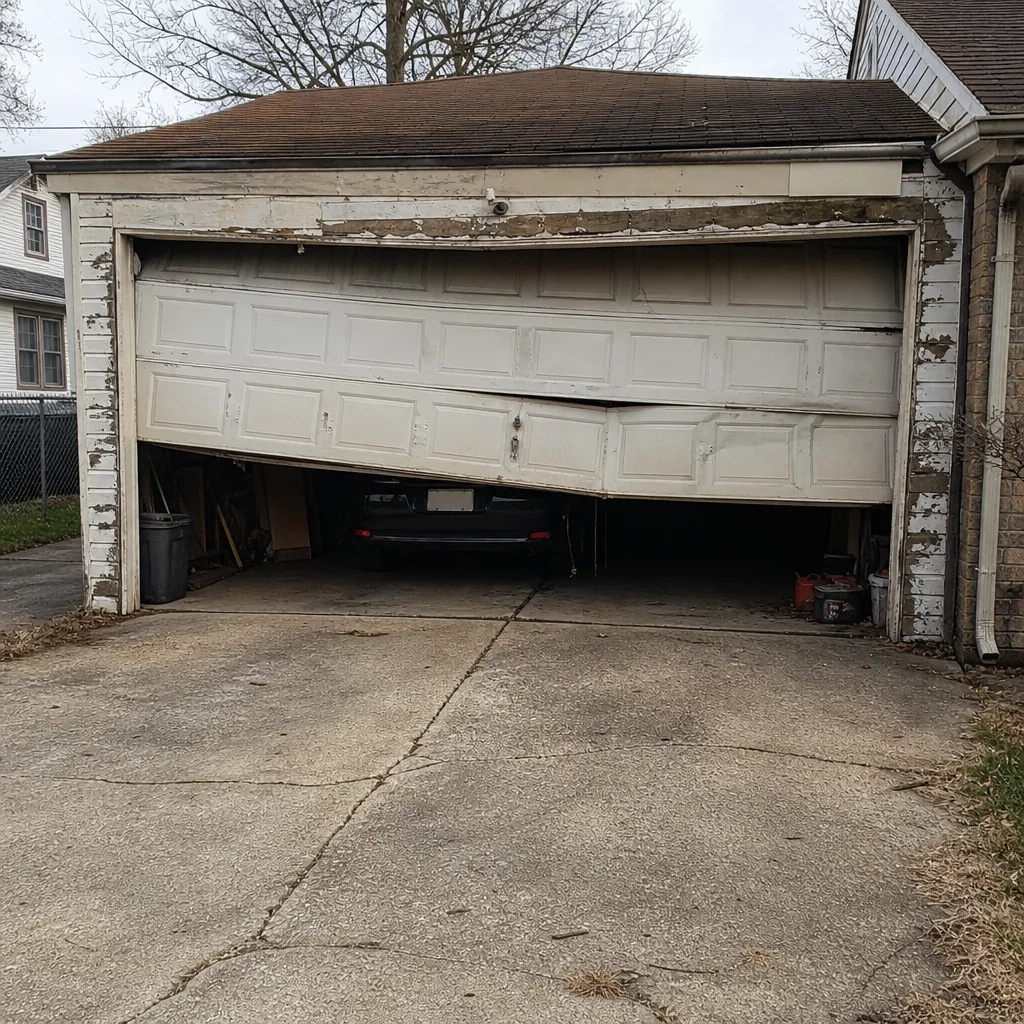 Before
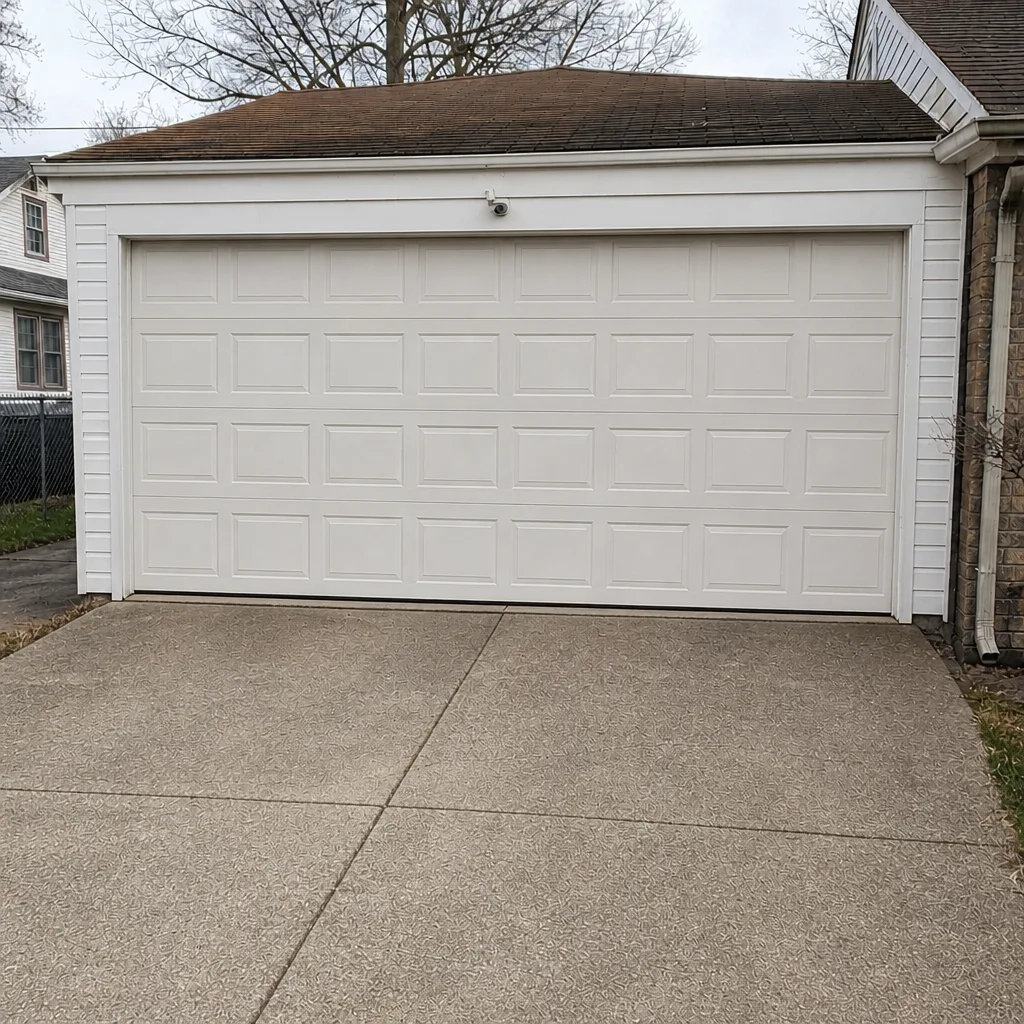 After
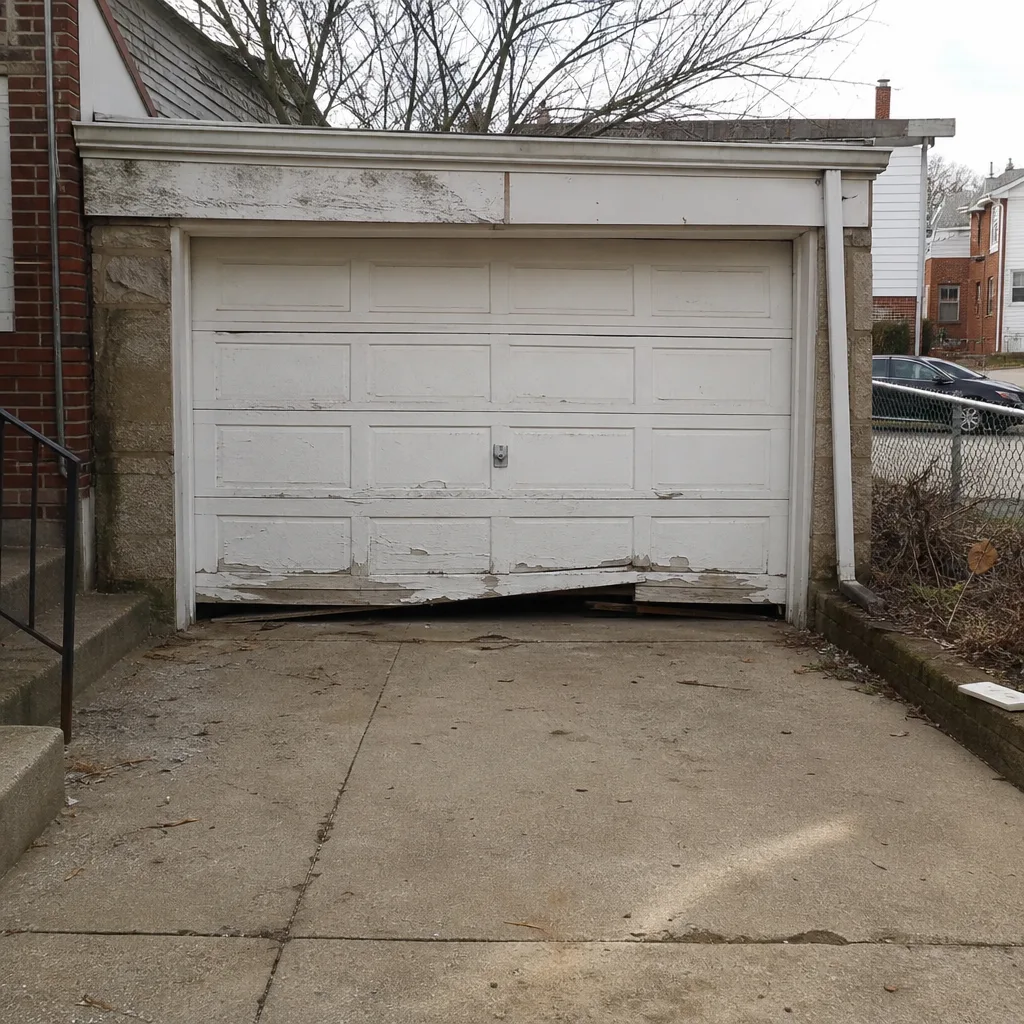 Before
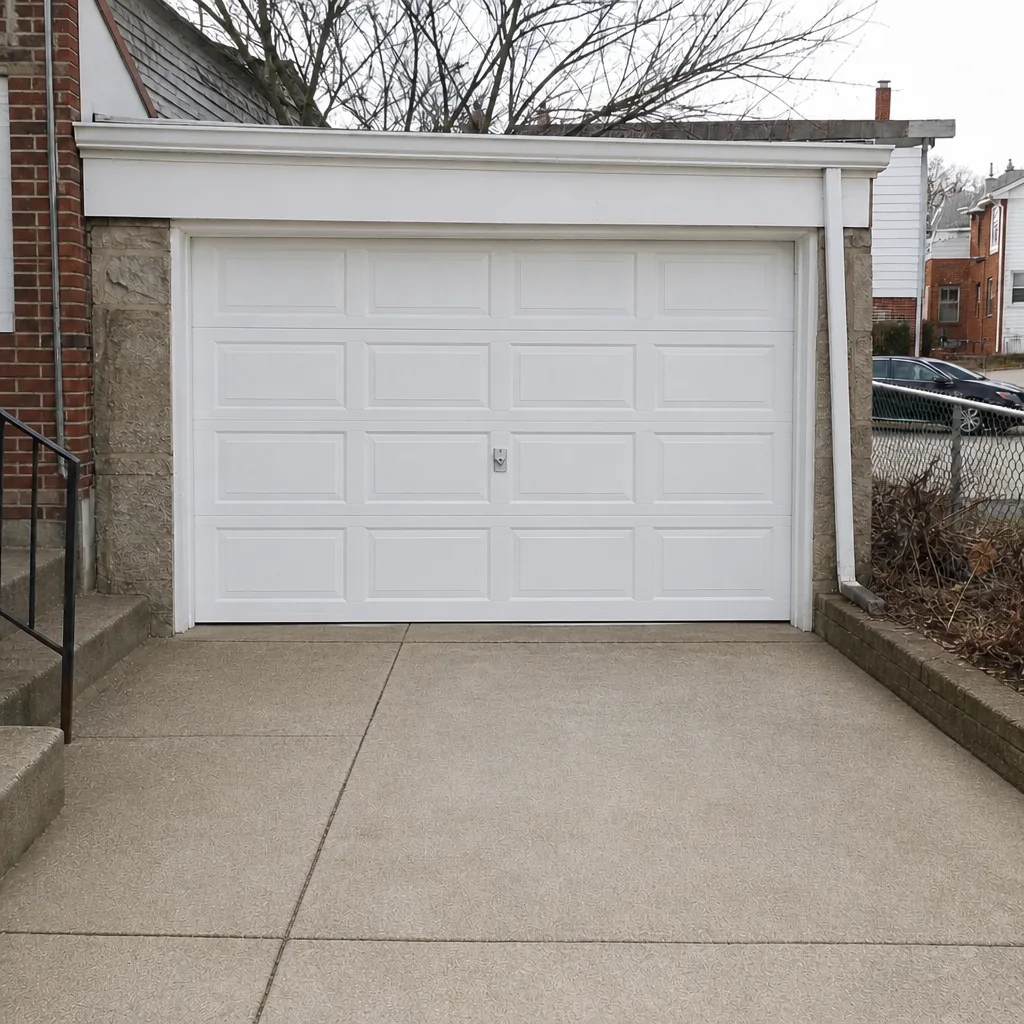 After
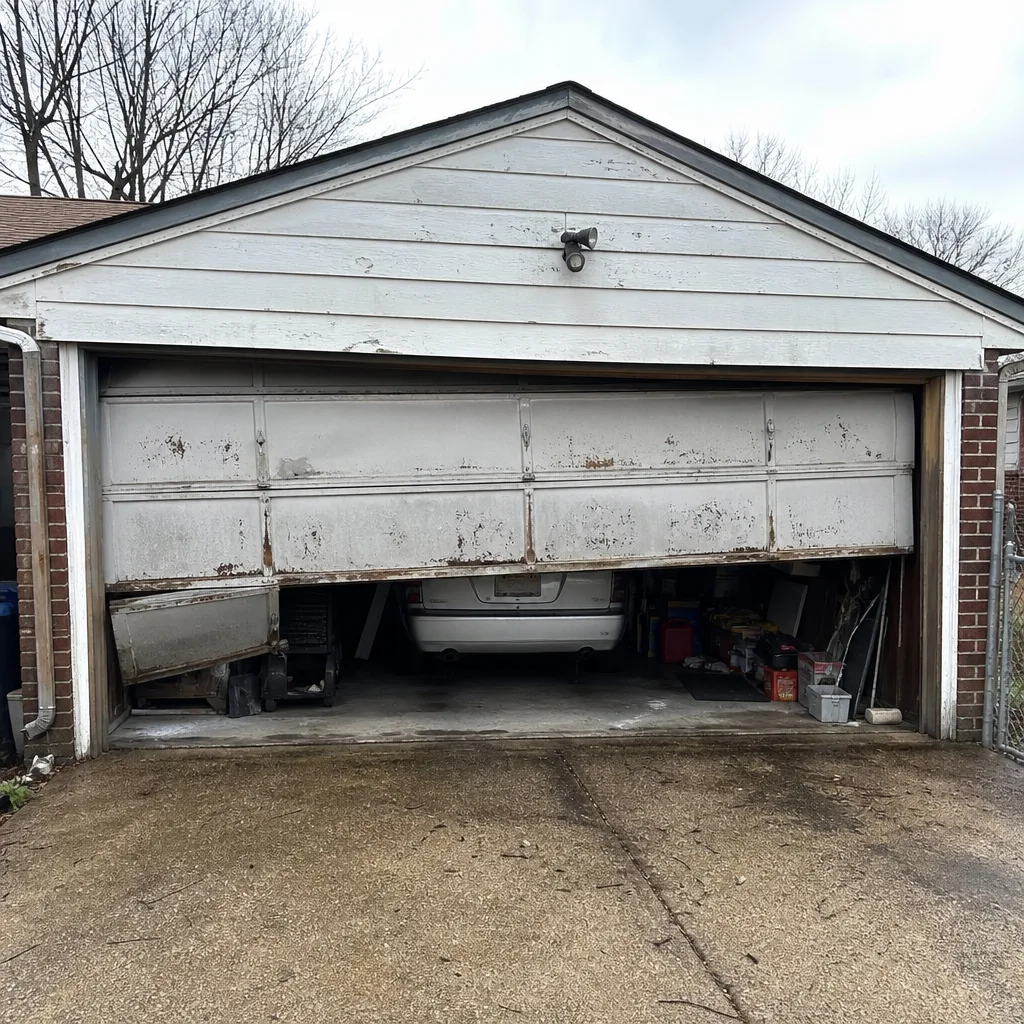 Before
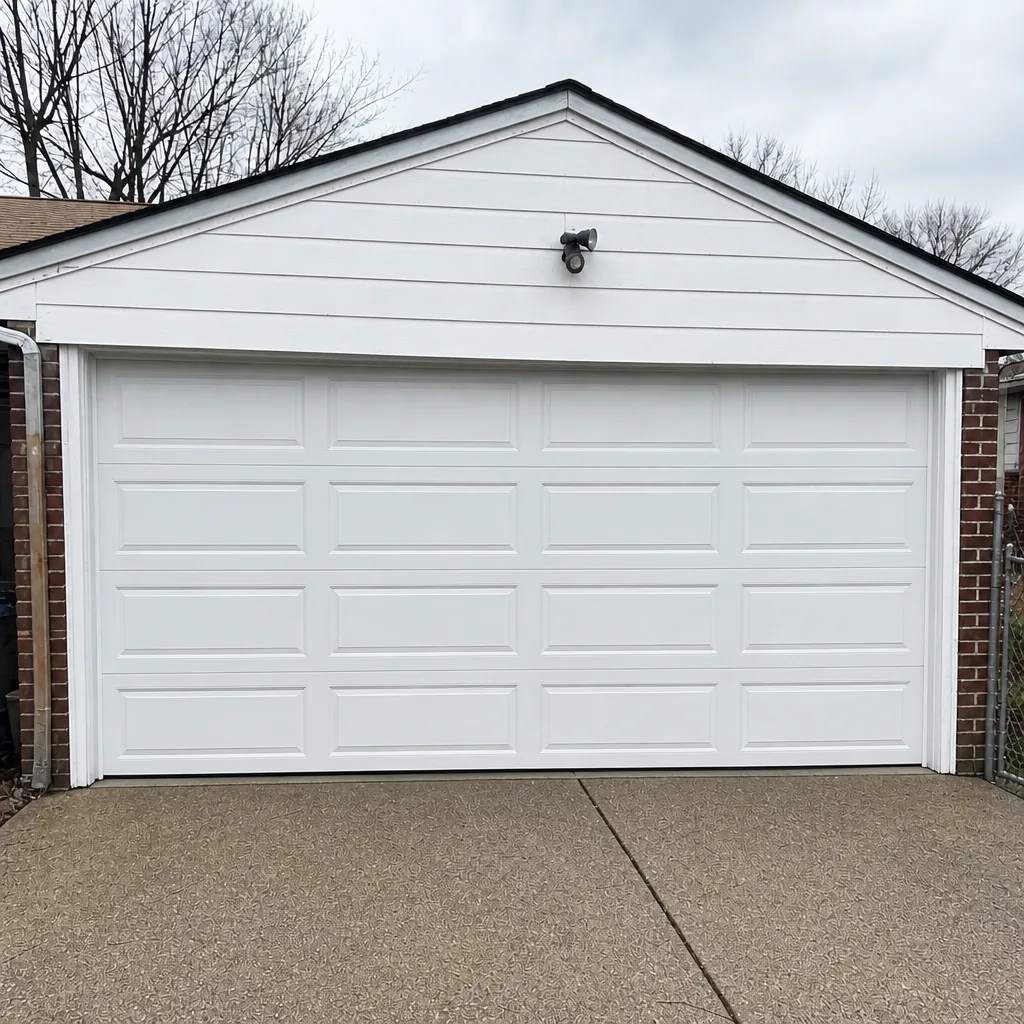 After
When to Call a Professional
Bring in a professional for anything in the red or yellow column: a snapped spring, a frayed or loose cable, a door that free-falls, a bent track, an opener that won’t move the door, or a door that reverses and won’t close. Also call when your checks keep hitting the same item – a hinge that keeps coming loose, a door that won’t stay balanced, a noise that won’t go away. These are the signs the right fix is a real repair, not a quick patch. Our technicians have up to 12 years of experience, we specialize entirely in garage doors, and we’re trained on LiftMaster, Chamberlain, Genie, and the other major brands. If a door failure can’t wait, call us and we’ll get you back in operation. Garage Door Repair Frankford offers free estimates in Frankford – call (855) 337-1053. We answer 24/7, and fast dispatch runs from 7am to 7pm, Sunday through Friday.
Frequently Asked Questions
Check your garage door twice a year, minimum, with a balance test and visual walkaround each time. In Frankford that means once in fall before the first freeze and once in late spring before the summer heat. The monthly piece is just the safety reverse test and a quick listen for new noises.
You can safely do a balance test, a visual walkaround, track cleaning (dry), lubrication of the hinges and steel rollers, the safety reverse test, and weather-seal inspection. Everything under tension – the springs, cables, brackets, and torsion system – is a professional-only territory. Springs are dangerous, and this is not a DIY job.
Grinding during the open-close cycle usually means a worn roller, a dry hinge, or a partially damaged track. Note where in the travel the noise happens and get it looked at soon. It’s a yellow item: a worn part you catch now is a tune-up; the same part left to fail is a repair that could take the door out of service.
Most likely, yes. We’re trained and equipped to service LiftMaster, Chamberlain, Genie, Clopay, Amarr, Wayne Dalton, Craftsman, and Raynor. Check the label on the opener head or the door’s hinge plates to confirm. We work on the brand you already have, so diagnosis is specific rather than generic.
No. The quote is agreed before any work starts and is the price you pay. The written estimate is the price. If we find something different while working, we agree on the change with you before continuing – never after.
For most issues – a gear, capacitor, safety sensors, or a minor opener connection fault – repair makes sense. If the unit is very old, failing in multiple ways, or the door has been upgraded since it was installed, replacement becomes the better value. We can diagnose the opener and the door together so the decision is based on the whole system.
The Bottom Line
The maintenance habits that keep a garage door out of trouble are not complicated. Do the balance test, do the twice-a-year walkaround, oil the safe parts and leave the tension layer alone, and time your checks to the colder and hotter ends of the Frankford calendar. Keep a simple log. When something in the red column shows up, don’t run the door again. When it’s in the yellow column, schedule it before it becomes red. You don’t need to understand torsion engineering to protect a garage door – you need the right sequence of checks and one clear rule about the parts you never touch. If you’d rather have the peace of a professional check in Frankford, we offer a free estimate on garage door repair, and for a door that’s due for a full replacement, that conversation belongs with garage door installation work done right.
Call (855) 337-1053 for a free estimate. We answer 24/7. Fast dispatch from 7am to 7pm, Sunday through Friday.
Written by the team at Garage Door Repair Frankford.