
Last updated November 21, 2026
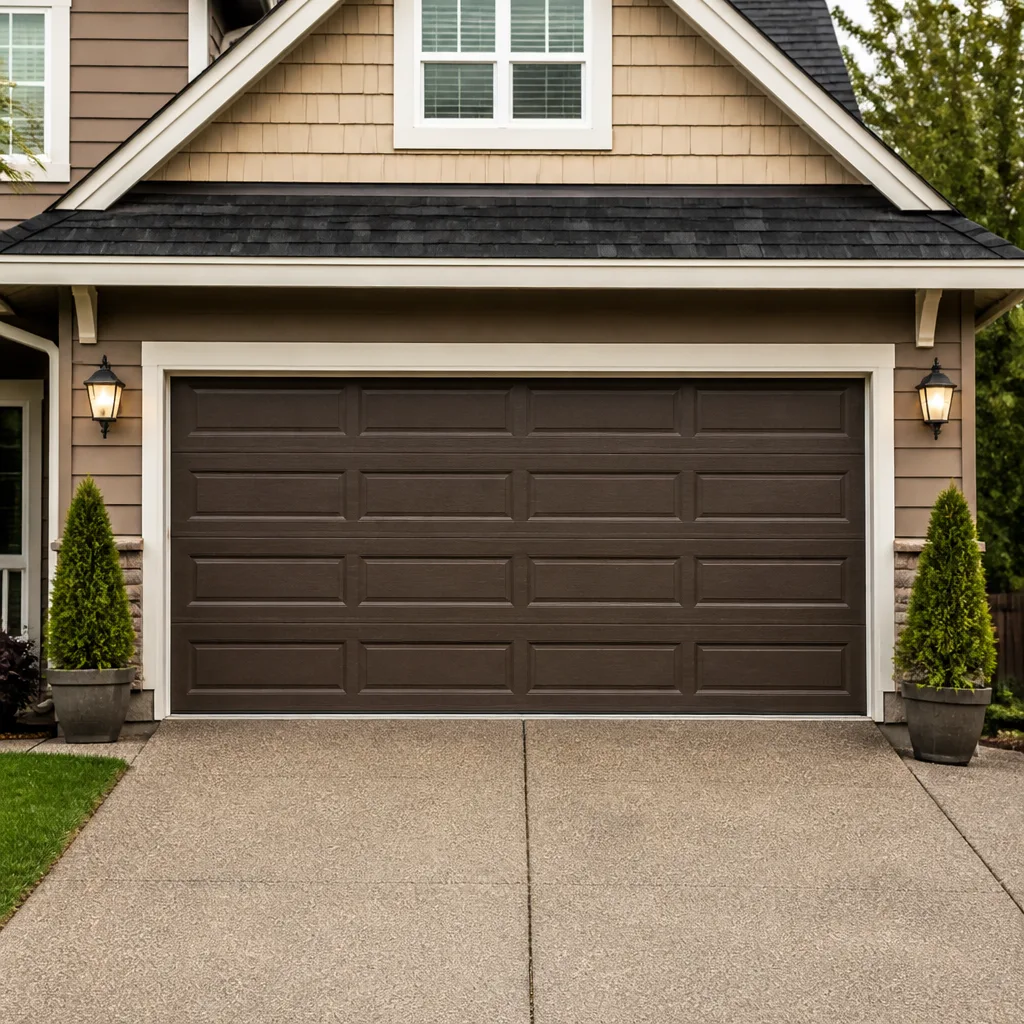 Raised-panel steel
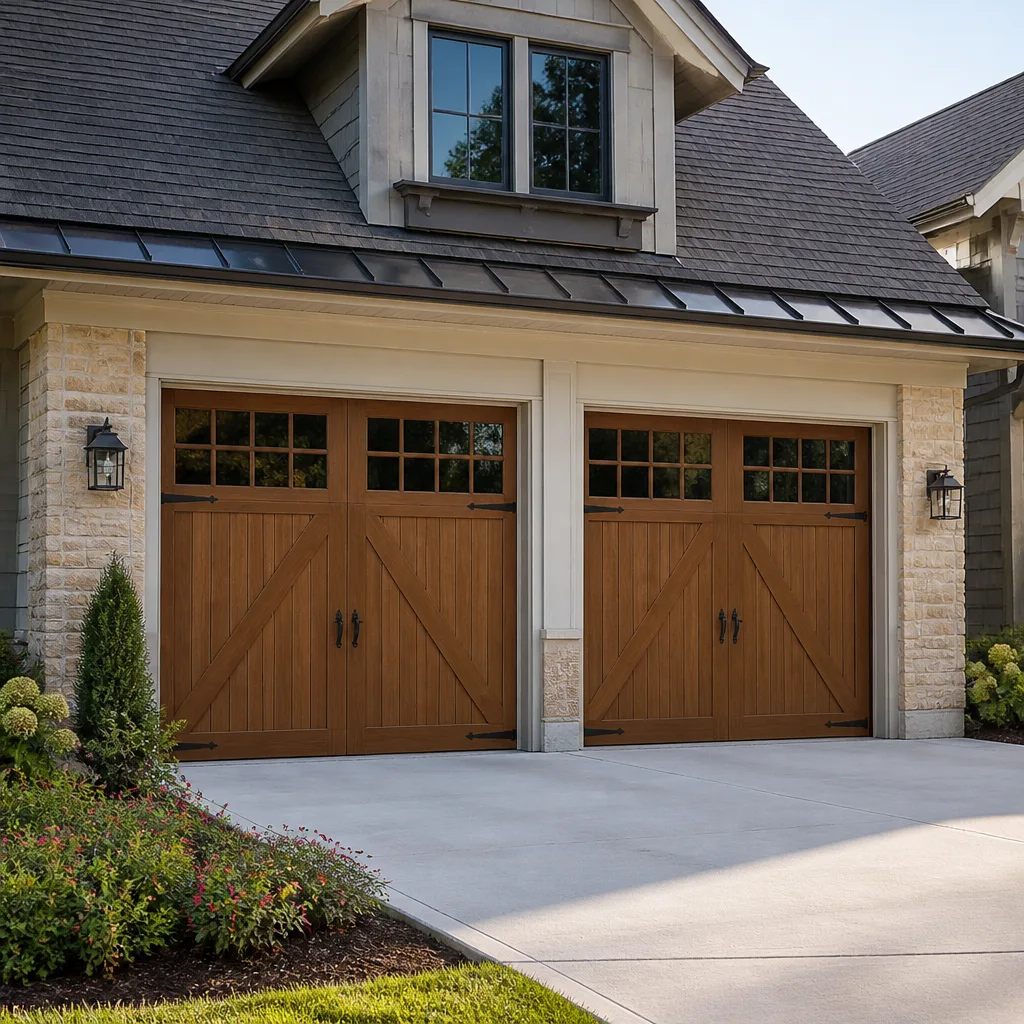 Carriage house
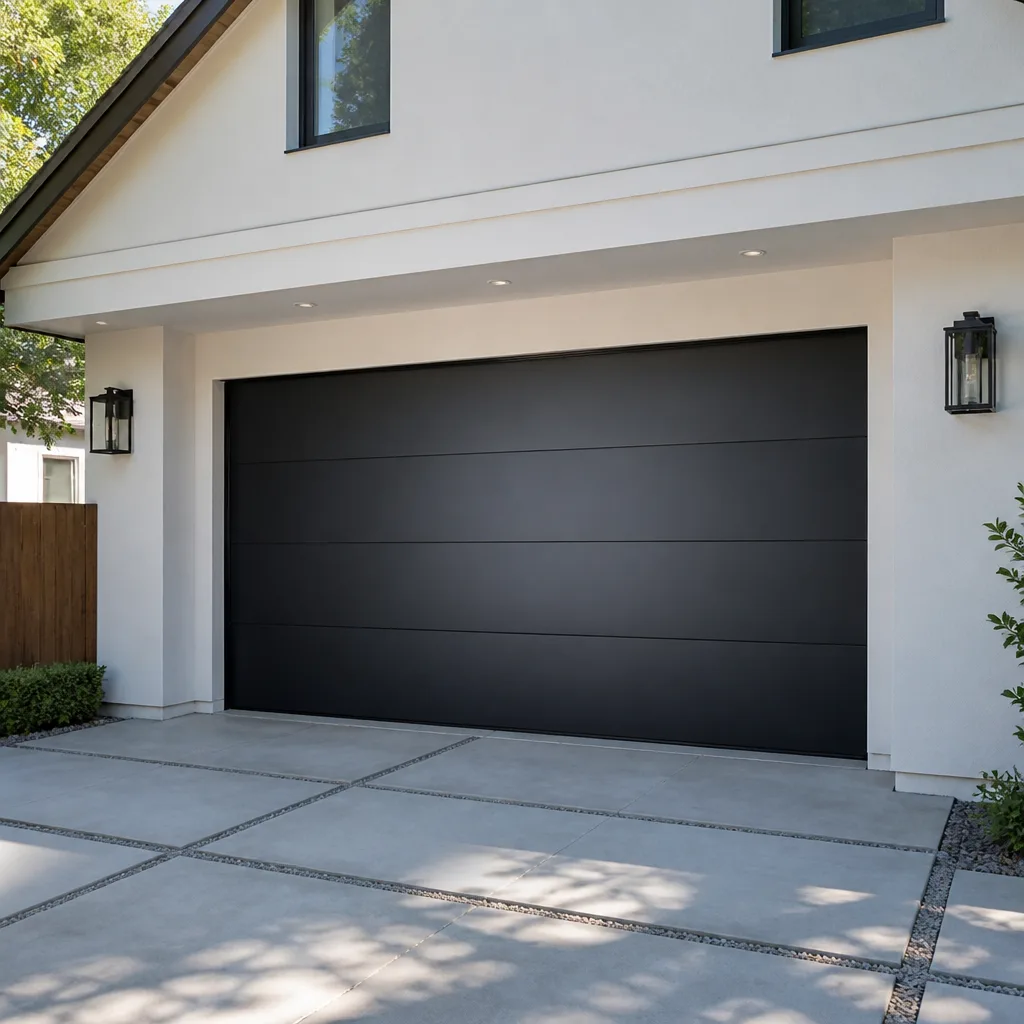 Modern flush
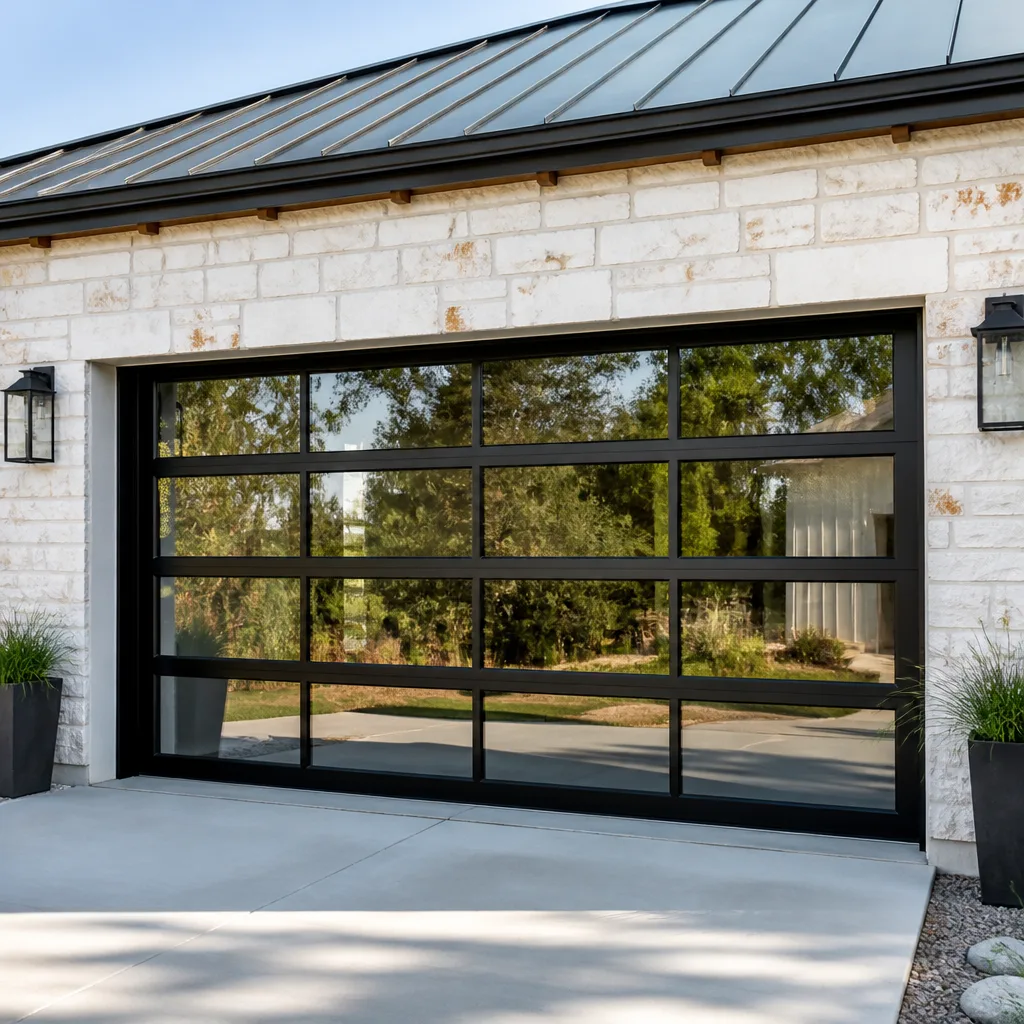 Full-view glass
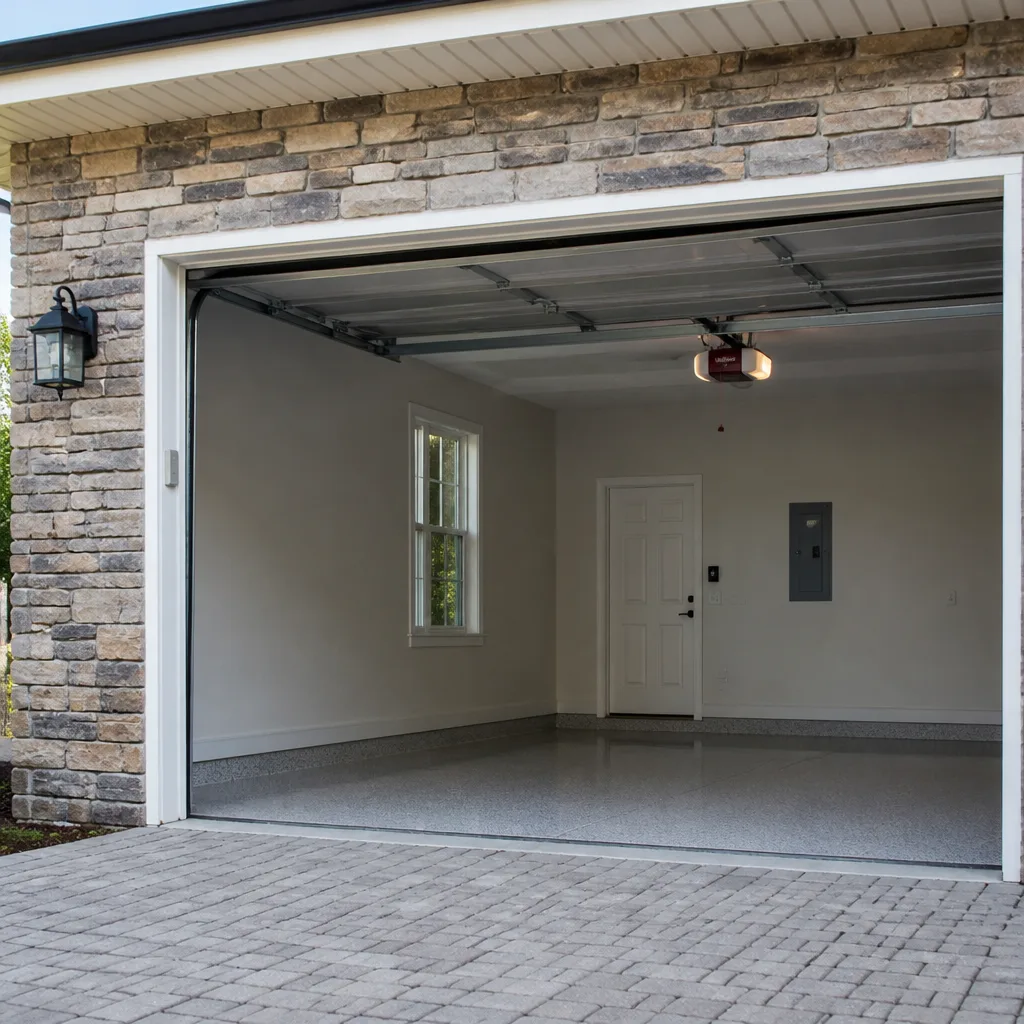 LiftMaster openers
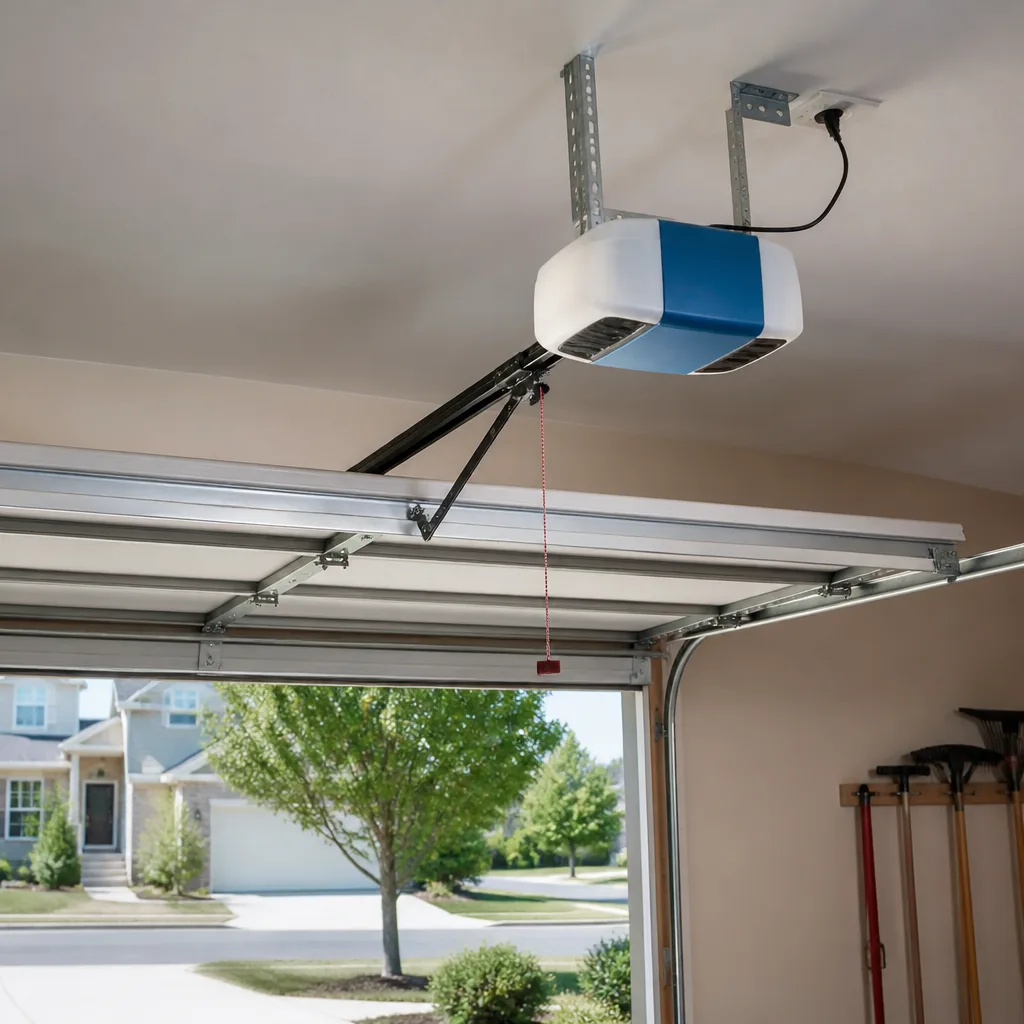 Chamberlain openers
Full 25-point door and opener safety check with every visit - springs, cables, rollers, tracks, and your LiftMaster or Chamberlain opener included
You get a price before we start. It does not change when the pro arrives.
Get your free estimateGarage Door Emergency Preparedness Guide for Frankford Homes
Most homeowners think emergency preparedness means having a phone number saved somewhere. That’s the easy part. The part that actually decides whether a bad morning turns into a costly week is what you do in the first five minutes after a spring snaps or a door drops off its track. When a spring breaks at 6:30 a.m. and your car is locked inside, you have a short window to choose between forcing the door open and making things worse, or handling it correctly. That choice is much harder when you’ve never thought about it before. This guide walks through exactly what to do for the four most common failures, how to use the emergency release without creating a new problem, and what to have ready before you call. Frankford homes deal with the same door systems as everywhere else, with a few local quirks worth knowing.
Quick Answer
In a garage door emergency, your first job is to stop the door from moving, keep everyone clear of it, and not force anything. Call a garage door specialist, describe what failed, and let them tell you whether the door can be opened safely before they arrive. Springs, cables, and off-track doors are injury risks, so the correct first move is almost always to leave the door where it is and secure the space around it.
Styles & brands we work with
- Raised-panel steel
- Carriage house
- Modern flush
- Full-view glass
- LiftMaster openers
- Chamberlain openers
Table of Contents
- The Four Most Common Garage Door Emergencies
- How to Use the Emergency Release Cord Safely
- How to Manually Secure a Door That Won’t Close
- What to Have Ready Before You Call
- Two Pre-Winter Checks That Prevent Most Emergencies
- What Emergency Garage Door Repair Costs in Frankford
- When to Call a Professional
- Frequently Asked Questions
The Four Most Common Garage Door Emergencies
Nearly every emergency call we take comes down to one of four failures. Each one has a different correct response, and treating them the same is where property damage and injuries begin. Read this section once, and you’ll know what to do when it actually happens.
1. A Broken Spring
You’ll usually hear it before you see it: a loud bang from the garage, followed by a door that won’t lift more than a few inches. A torsion spring stores enormous energy, and when it lets go, the door becomes dead weight. Never try to lift a door with a broken spring by hand. It can come down on top of you. Keep the door closed if it’s already down, keep the car where it is, and call for repair. Springs are not a homeowner job, and this is the failure we handle most in Frankford and elsewhere.
2. A Snapped Cable
A frayed or snapped cable often shows up as a door that hangs crooked or a visible loose wire hanging on one side. Don’t touch it and don’t run the opener. A loose cable under tension can whip and cause serious injury. The correct move is to unplug the opener so nobody triggers it by accident, then wait for a trained technician.
3. A Door Off the Track
An off-track door is sitting at an angle, sometimes with a roller popped out of the rail. Forcing it back into place with a shoulder or a pry bar usually bends the panels and can twist the torsion system. Leave the door exactly where it is, keep children and pets away, and call for help. In our experience this is the failure most likely to get worse when someone tries to fix it themselves.
4. Opener Failure With the Car Trapped Inside
This one is more inconvenience than injury risk, but it feels urgent because your car is inside. The opener may have lost power, blown a logic board, or failed a safety sensor. Before calling for an emergency repair, try the emergency release cord – the one scenario most Frankford homeowners can actually handle themselves. If the door lifts by hand, you’re moving again. If it doesn’t, the problem is mechanical as well, and that’s a call.
How to Use the Emergency Release Cord Safely
The emergency release cord disconnects your door from the opener so you can lift it by hand. Used correctly, it’s a simple solution. Used wrong, it can drop a door hard or leave it stuck in a position nobody can fix safely.
Here’s the correct sequence:
- Make sure no one is standing under or near the door.
- Check that the door is fully closed. If a spring is broken, stop here and call – the door will not lift safely.
- Pull the red cord straight down and toward the door, not sideways.
- Lift the door slowly by hand. If it feels extremely heavy, stop and let it settle back down.
- Once you’re past the opening, prop or hold the door open every time you move a vehicle, don’t trust it to stay up.
The one mistake that makes things worse: pulling the release while the door is already partway up. A door with a broken spring or weak spring tension can slam down the moment it’s disconnected.
The one circumstance where you should not use it: if you suspect a broken spring or snapped cable. A door with those failures is uncontrolled weight and pulling the cord removes the only thing holding it in place. Call instead.
Reconnecting the door is a separate job. Don’t pull the release cord back into the open position and run the opener to see if it re-engages. Bring a technician in for that. For any opener problem that isn’t just a dead battery in the remote, garage door opener repair keeps the open and close cycle working properly after a release has been used. If you’re ever unsure, call (855) 337-1053. We answer 24/7.
How to Manually Secure a Door That Won’t Close
A garage door stuck open is a security problem that gets worse with every hour it stays that way. The goal here is to actually deter entry, not just feel like you did.
Options That Actually Deter Entry
- Vice grips or a C-clamp on the vertical track just above the bottom roller. This stops the door from being rolled up from outside because the roller can’t pass the clamp.
- A screwdriver or bar through the roller and track hole if the door has a visible slot, then a duplicate in the opposite track.
- A locked interior deadbolt or slide lock where the door has one and is fully closed. Most modern doors have one; check before assuming you don’t.
- A vehicle parked tight to the inside of the door if the door is closed and the car isn’t trapped behind it.
Options That Feel Secure but Don’t Hold
- Propping a chair or box against the inside of a closed door. It does nothing against a determined push from outside.
- Tying the door handle to a fixed point with a rope. It can slip or snap under leverage.
- Wedging something under the bottom panel of a door that’s already partially open. You’re holding weight, not locking anything.
Our advice for Frankford homes: if the door is stuck open, get a clamp on the track, keep the interior door to the house locked, and call for repair the same day. If you suspect the door and opener are both involved, a technician can evaluate it alongside garage door opener repair so you’re not guessing.
What to Have Ready Before You Call
The single biggest time saver in an emergency is having the right details ready when you call. When we know what failed, we can bring the parts for that brand and door type and often complete it in one visit. Here’s what to have handy.
- Door brand and type. We service equipment from LiftMaster, Chamberlain, Genie, Clopay, Amarr, Wayne Dalton, Craftsman, and Raynor, and the parts differ by brand. If you can find your door’s stamp or the opener label, note it.
- What failed and what you heard. A loud bang points to a spring. A snap and a crooked door points to a cable. A stuck door with a working opener points to internal opener failure.
- Whether the door is up, down, or partway. This determines the safe approach before we arrive.
- Whether your car is inside. If it is trapped, that changes how we sequence the work.
- Your address and any access notes. Alley access, a tight driveway, or a gate code saves a delay.
- The safety sensor status. If the sensor light is off or blinking, say so. It narrows the problem before we get there.
Our technicians have up to 12 years of experience, and they’ve heard most of these phone calls before. The clearer the description, the better the odds of a one-trip repair. Call (855) 337-1053. We answer 24/7. Fast dispatch from 7am to 7pm, Sunday through Friday.
Two Pre-Winter Checks That Prevent Most Emergencies
Most after-hours emergencies we see in Frankford would have been visible with a ten-minute check in late fall. Cold weather is hard on door systems: metal contracts, lubricant thickens, and the springs and cables carry the same load on stiffer parts. Two checks in October or November catch most failures before they become emergencies.
Check 1: Listen and Look at the Springs
With the door closed and the opener disconnected, stand inside the garage and look at the torsion spring above the door. It should be intact with no visible gaps or rusted coils. Listen for a scrape or a pop as the door cycles. A spring that’s making noise in the fall tends to fail in the first cold snap. If it’s already broken, don’t run the door at all. Call for spring repair before the snow, not during it. This is one of the most safety-critical repairs in the trade, and it’s not a job to try yourself.
Check 2: Lubricate and Test Balance
Lubricate the rollers, hinges, and the torsion shaft with a garage-door-specific lubricant, not general-purpose oil or grease. Then test balance: pull the release cord with the door closed, lift it halfway, and let go. A properly balanced door stays put. One that slams down needs spring adjustment. One that flies up needs the opposite. Either is a sign to bring a technician out before the winter. For Frankford homes, it’s also worth checking the bottom weather seal while you’re there. A worn seal lets cold air and snow-melt into the garage and stresses the bottom panel.
If the balance test fails, don’t adjust the springs yourself. A torsion spring can cause serious injury if it slips, and the tools to adjust one safely aren’t in most garages. Call (855) 337-1053 and we’ll send a technician who works on doors full time.
What Emergency Garage Door Repair Costs in Frankford
We can’t quote a number over the phone for a door we haven’t seen, but we can give you the typical ranges so you’re not guessing. Every job is priced per job by the written estimate, and that estimate is agreed before any work starts. Here’s what repair work typically runs for common Frankford calls.
- Torsion spring, single: usually $180 to $340. A matched pair is replaced together and runs roughly twice that.
- Extension spring, single: usually $150 to $280, similar pair pricing applies.
- Cable replacement, single: usually $130 to $240.
- Off-track realignment, minor: usually $150 to $300.
- Roller replacement, full set: usually $120 to $220.
- Opener logic board or motor repair: usually $180 to $380.
- Safety sensor replacement or alignment: usually $90 to $180.
These are estimates and ranges only. The written estimate you receive is the price, and nothing changes it unless you approve a change. There’s no service-call fee, no diagnostic charge, and no premium for a job that has to happen on a Sunday or a holiday. If a technician quotes you a spring repair and finds the door is also off track, you’ll get a second written estimate before any additional work starts.
For a full replacement because a spring failure took out panels or an old door is failing on multiple fronts, we’ll walk you through new-door options in the same visit. Full lifecycle coverage from install to repair means you’re not juggling separate contractors. For an accurate written estimate, call (855) 337-1053. Estimates are free.
See the difference
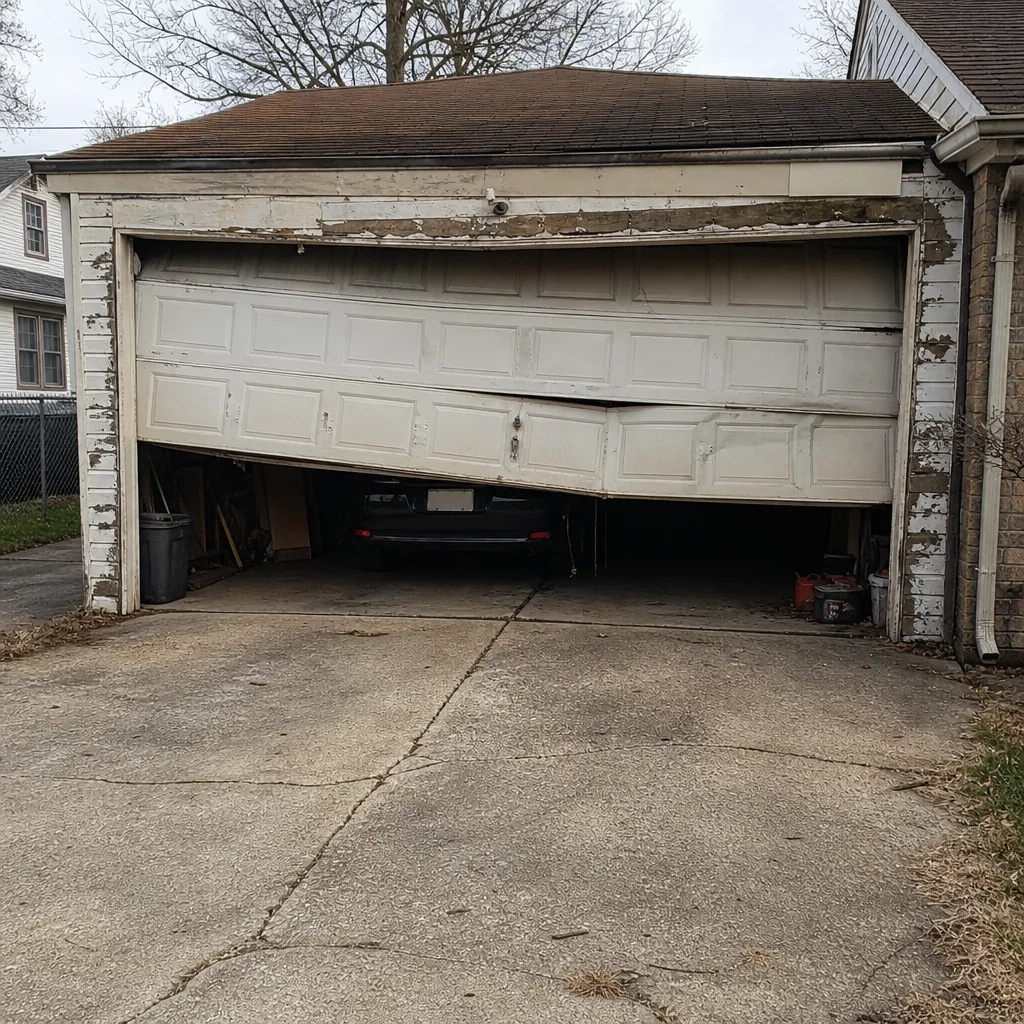 Before
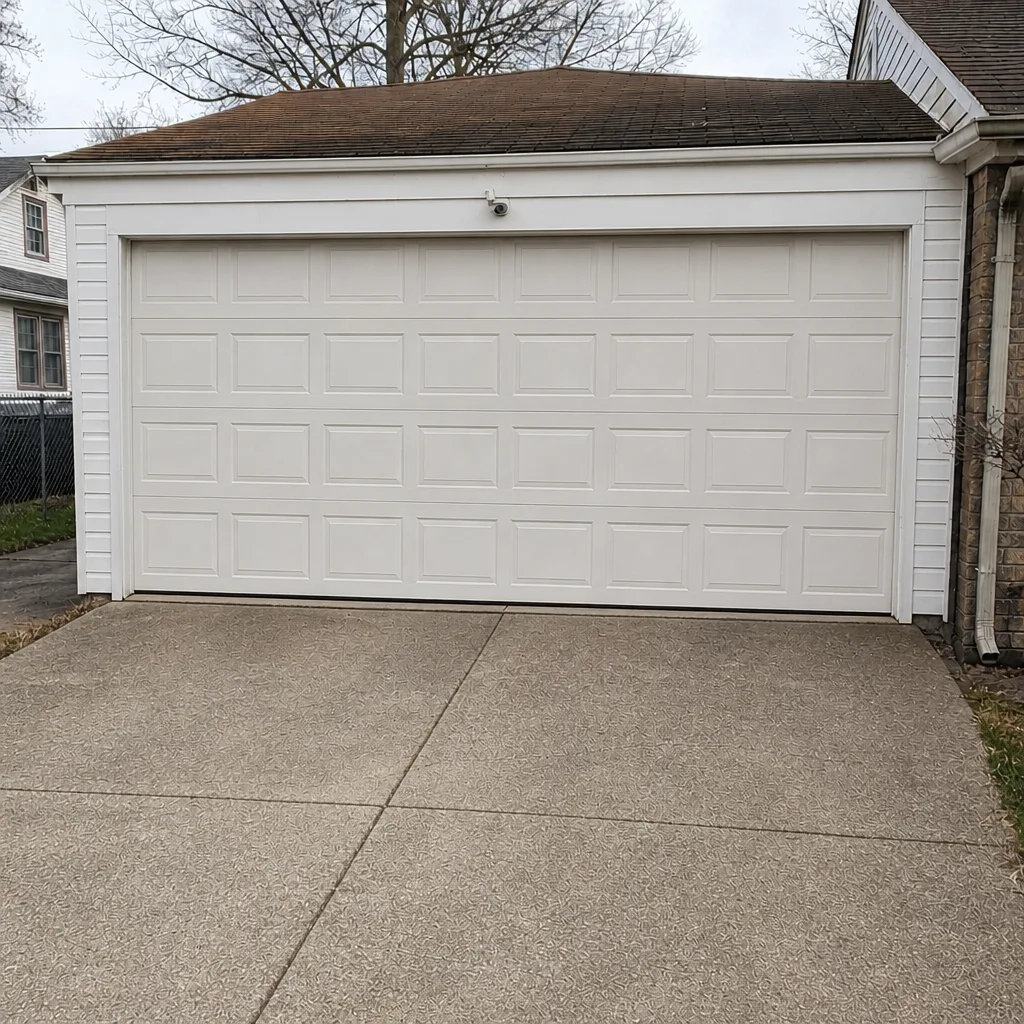 After
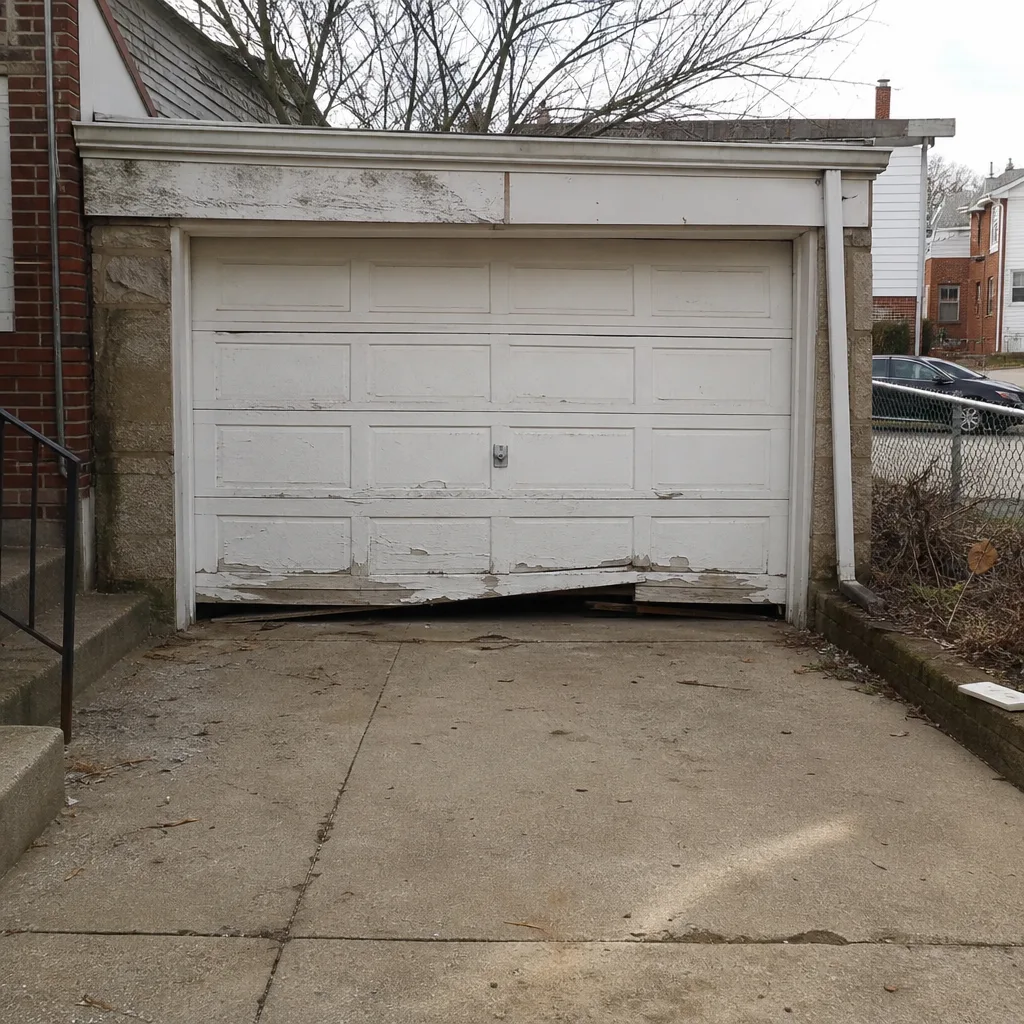 Before
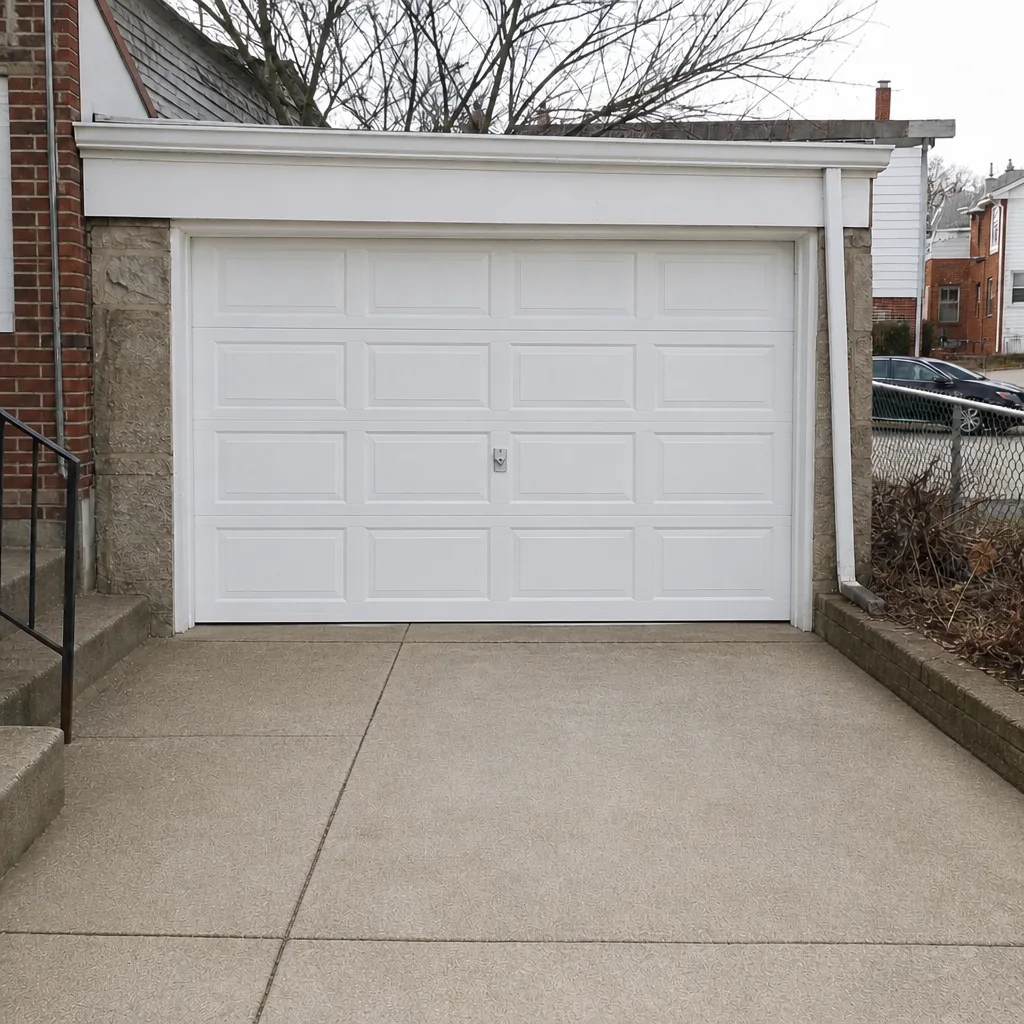 After
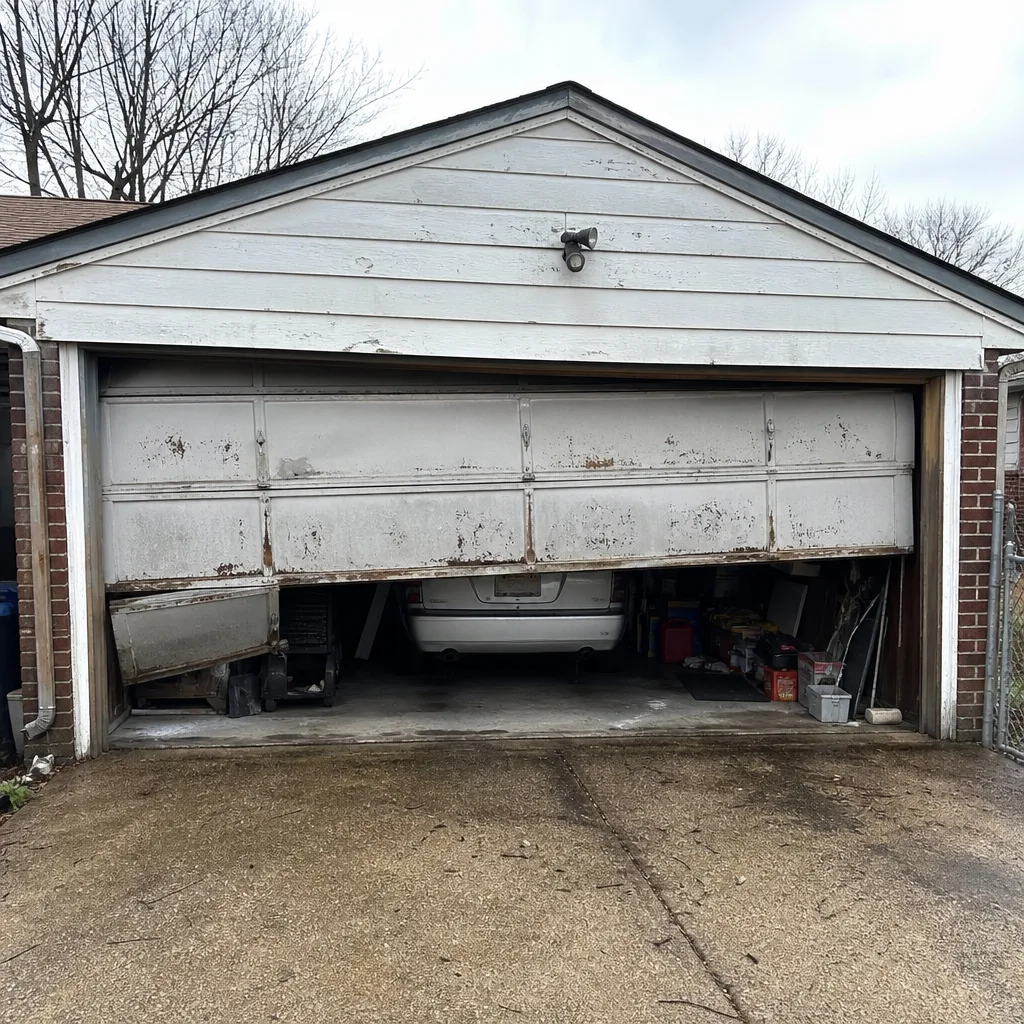 Before
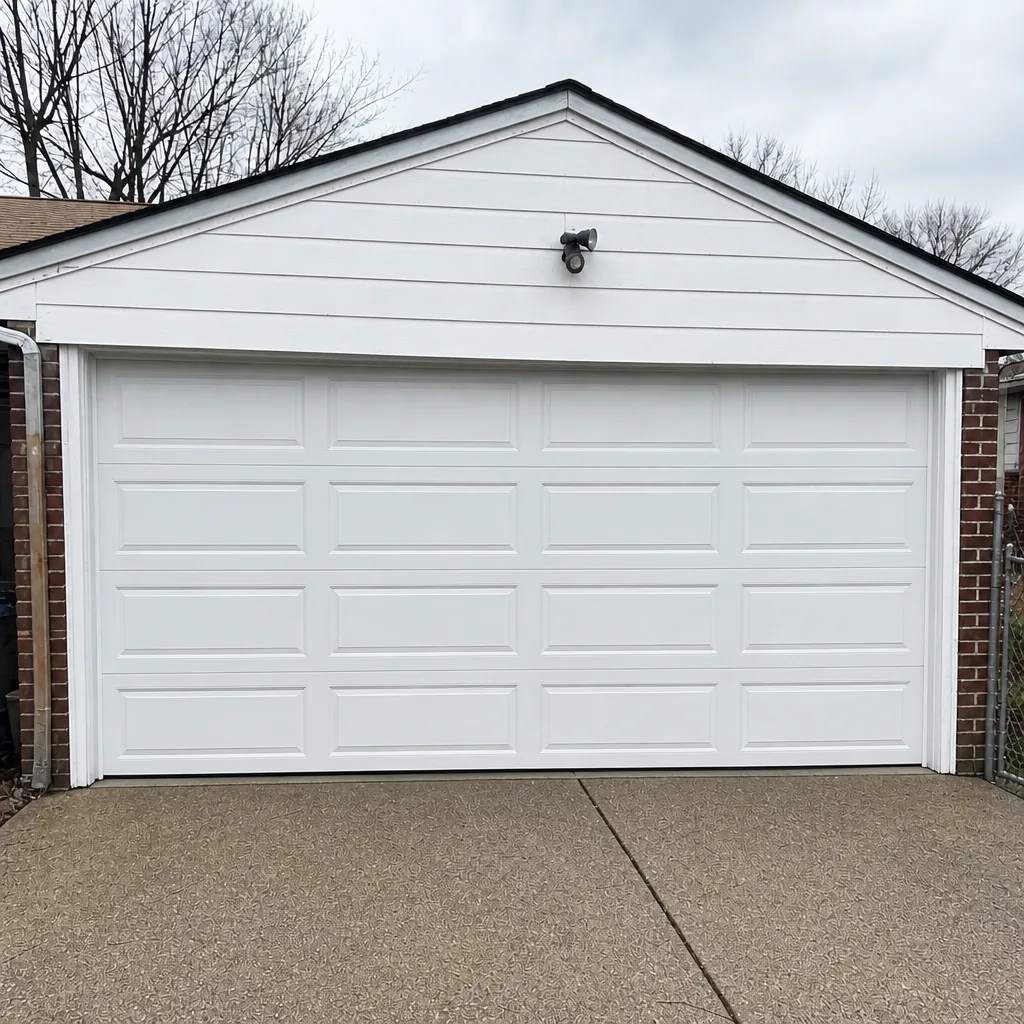 After
Common Mistakes to Avoid
- Forcing a door with a broken spring. The door is heavier than it looks without spring tension, and lifting it by hand is how back injuries and dropped doors happen. Stop and call.
- Yanking the emergency release on a door that’s already partway up. A door with weak or broken springs will slam when disconnected. Always release from the fully closed position, or not at all.
- Using a chair or a rope to hold a door closed. It gives a false sense of security in a Frankford neighborhood where a stuck-open garage is visible from the street. A clamp on the track actually works.
- Running the opener after hearing a snap. That snap is usually a spring or cable, and running the opener grinds the gear and can bend the door panels. Unplug it and call.
- Skipping the fall balance test. A door that’s failing balance in October is the one that breaks in January. Ten minutes of testing in the fall prevents most cold-weather emergency calls.
- Trying to adjust torsion springs with general-purpose tools. A torsion spring needs specific winding bars and knowledge of how much energy is stored. This is the one repair to always hand to a specialist, and it’s the reason a lot of generalists won’t touch it.
- Calling a handyman for the safety sensor or logic board. Modern openers like Chamberlain and Genie have model-specific boards and sensors. A generalist who doesn’t know the brand often causes a second failure. A garage door specialist works with the equipment you already have.
If you’ve hit any of these, or you’re not sure whether the door is safe to open, garage door repair Frankford can walk you through what to do on the phone before you touch anything.
When to Call a Professional
Some jobs are worth a call, and some genuinely have to be handed off. Any broken spring, snapped cable, or off-track door is a call. A door that won’t close and leaves the house open is a call. An opener that trips the breaker or smells of burning is a call, and if there’s any chance of an electrical fault, stop using it and have it looked at by a qualified technician. If you hear a loud bang from the garage, that’s a call too. Those are the moments to put the phone number to work. If you’re not sure whether it’s urgent, describe it and we’ll tell you honestly.
Garage Door Repair Frankford offers free estimates in Frankford. Call (855) 337-1053. We answer 24/7. Fast dispatch from 7am to 7pm, Sunday through Friday.
Frequently Asked Questions
Not safely by hand. Without spring tension, the door is extremely heavy and can drop on anyone underneath it. Leave the door closed, keep the car where it is, and call a technician. If your car is trapped and the door must come up, only a trained technician should evaluate it. Call (855) 337-1053 and we’ll tell you what to do next.
No. The price is per job by the written estimate, and a repair on a Sunday isn’t priced higher than the same repair on a Tuesday. You get the same free estimate and the same written price. Call (855) 337-1053 for an exact quote – estimates are free.
Use it only if the springs and cables are intact and the door is fully closed. If you’ve heard a bang, seen a cable hanging loose, or the door hangs crooked, do not pull the cord. Call a technician first. We answer 24/7 and will tell you whether the door can be released safely.
Clamp the track just above the bottom roller on both sides with vice grips or C-clamps, lock the interior door to the house, and call for same-day repair. If you need a written estimate on a full needed repair, that’s free. Call (855) 337-1053 and we’ll get a technician out.
Yes. Try the emergency release cord first if the door lifts easily. If it doesn’t, that’s a mechanical problem too, and it’s a call. We service equipment from LiftMaster, Chamberlain, Genie, Clopay, Amarr, Wayne Dalton, Craftsman, and Raynor, and often complete the repair in one visit. Call (855) 337-1053.
There’s no fixed schedule. A torsion spring typically lasts years, not months, and how often you cycle the door matters more than anything else. The most reliable signal is the balance test: if the door doesn’t hold halfway when disconnected, the spring is weakening. If you’re noticing that, call (855) 337-1053 for a free estimate before it fails.
Often yes. Because we work only on doors and openers, we can bring parts for the brand you have and diagnose both in a single trip when the symptoms overlap. For a full replacement in cases where two or three systems have failed, garage door installation is handled in the same visit once you’ve agreed the estimate.
The local professionals we connect you with are licensed and insured as the state requires. We work with vetted technicians who specialize in garage doors, and our technicians have up to 12 years of experience. If you want to verify credentials before work starts, just ask when you call (855) 337-1053.
The written estimate is the price. If a technician finds additional failure that wasn’t visible on the phone, you’ll get a second written estimate before any additional work starts, and you can approve or decline it. Nothing runs up the bill without your sign-off. Call (855) 337-1053 for a free estimate on the repair you need.
The Bottom Line
Emergency garage door preparedness for Frankford homes comes down to three things in the first five minutes of a failure: stop the door, keep clear, and call. Knowing which of the four common failures you’re looking at decides whether that call is routine or urgent, and it decides whether the door can be made safe while you wait. The two fall checks – listening to the springs and testing the door’s balance – are the cheapest repair you’ll ever make. If it’s already happened, don’t force it. For garage door repair, call (855) 337-1053. We answer 24/7. Fast dispatch from 7am to 7pm, Sunday through Friday. Free estimates, written pricing agreed before any work starts, and a team that works on the brand you already have.
Written by the team at Garage Door Repair Frankford.