
Last updated November 21, 2026
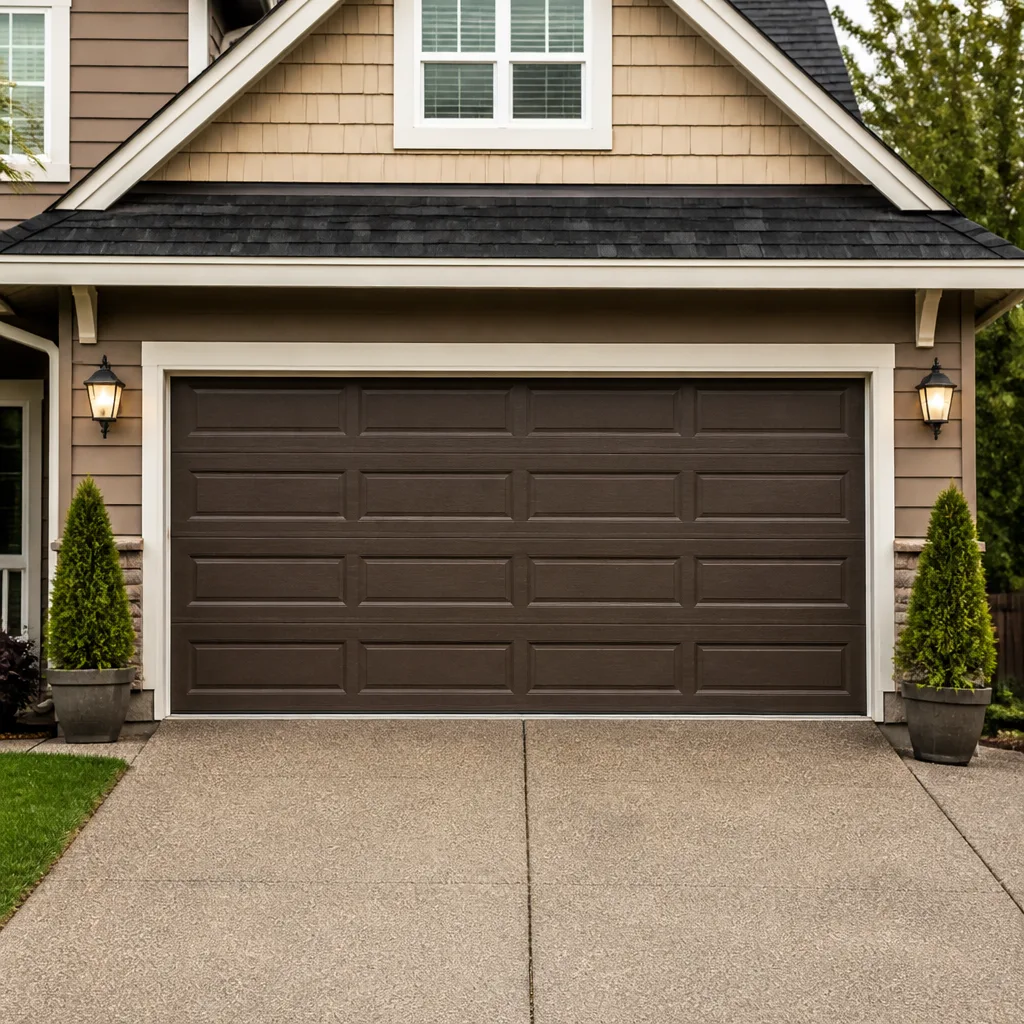 Raised-panel steel
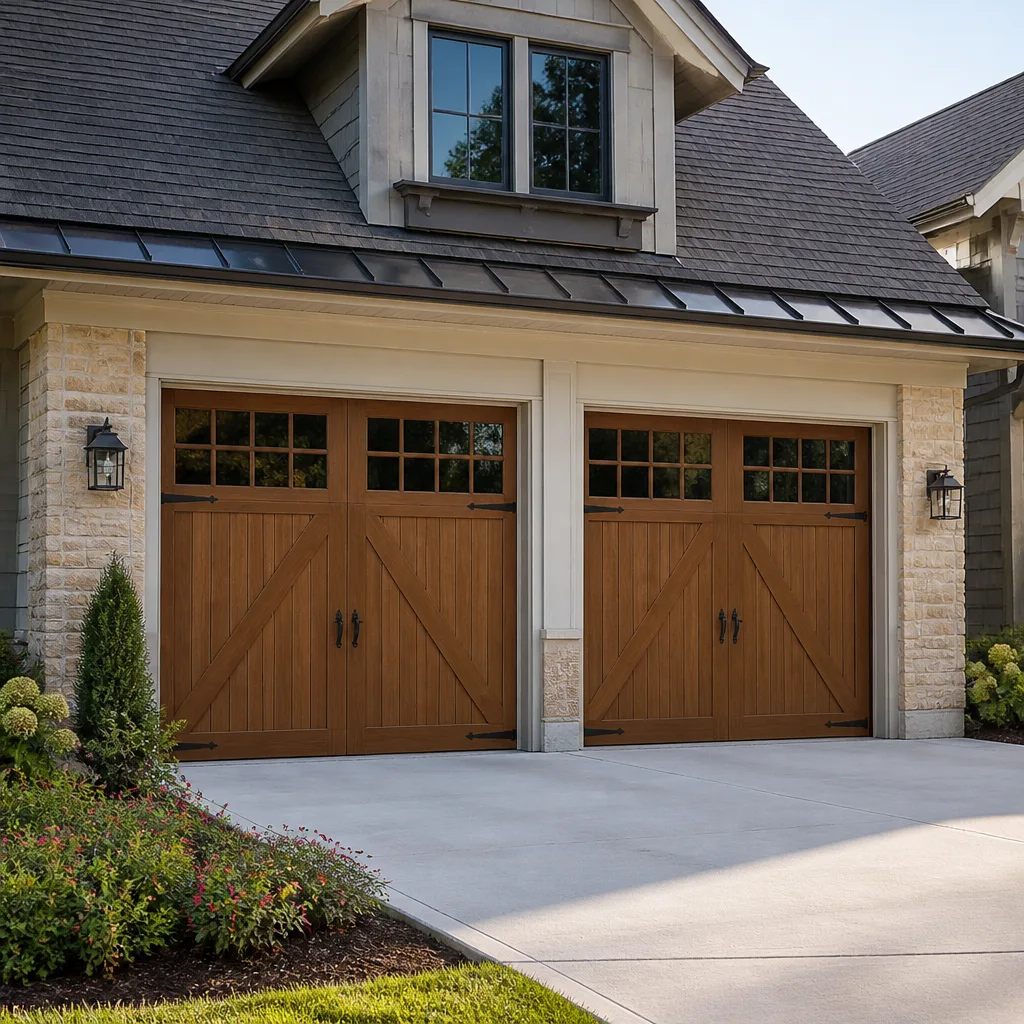 Carriage house
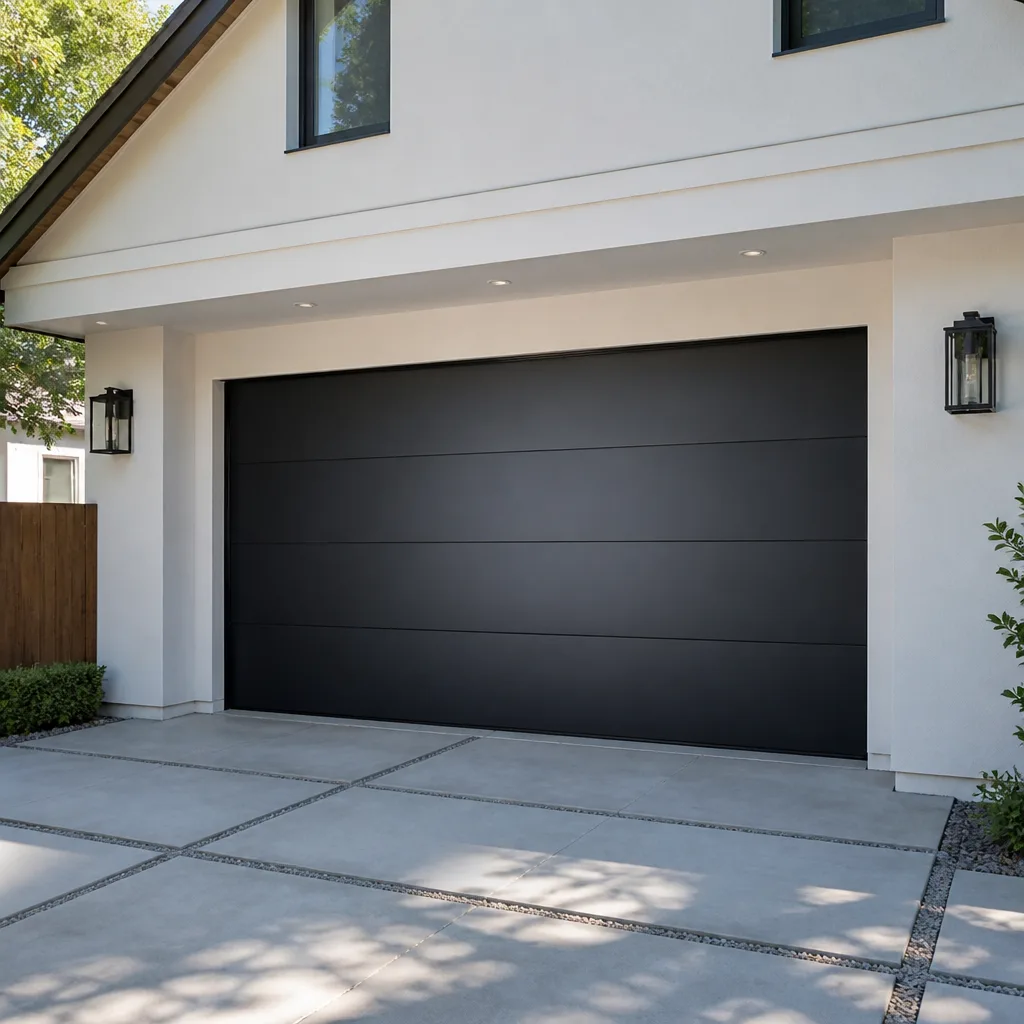 Modern flush
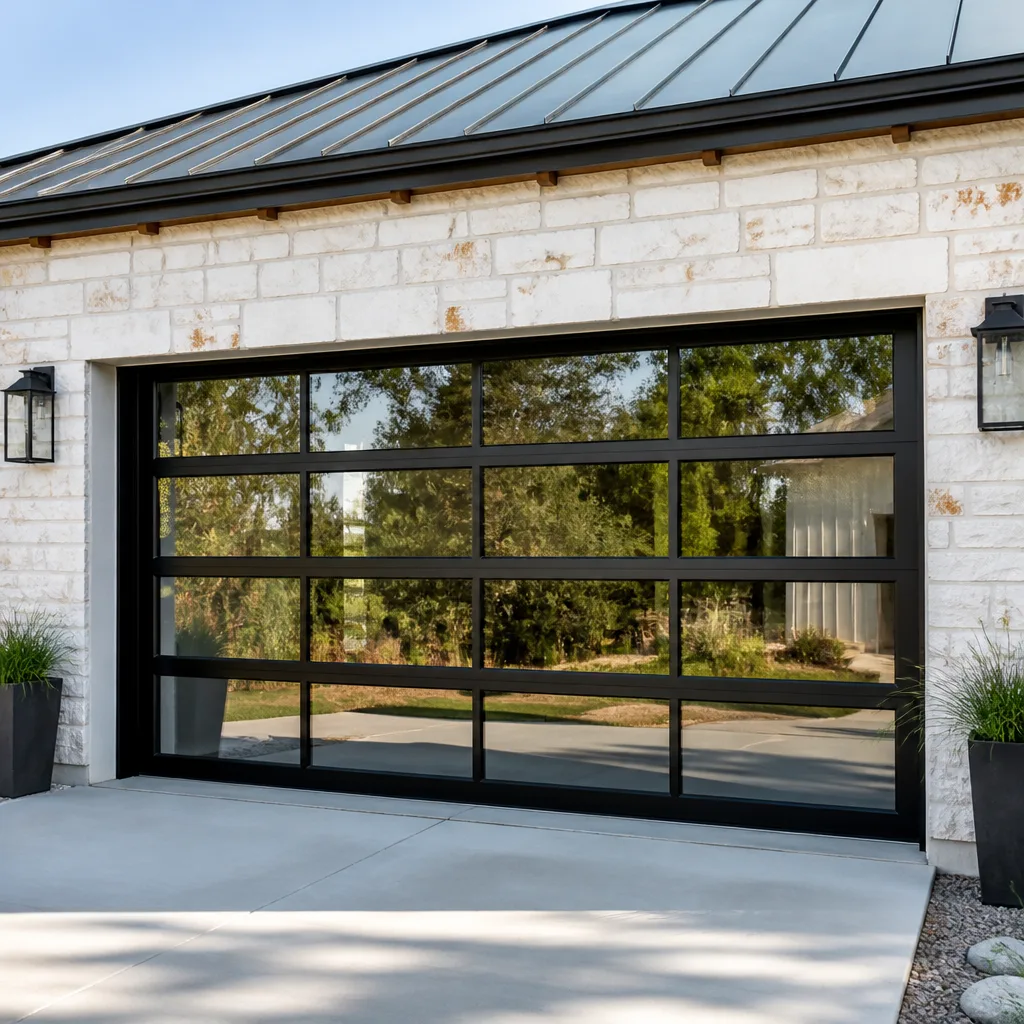 Full-view glass
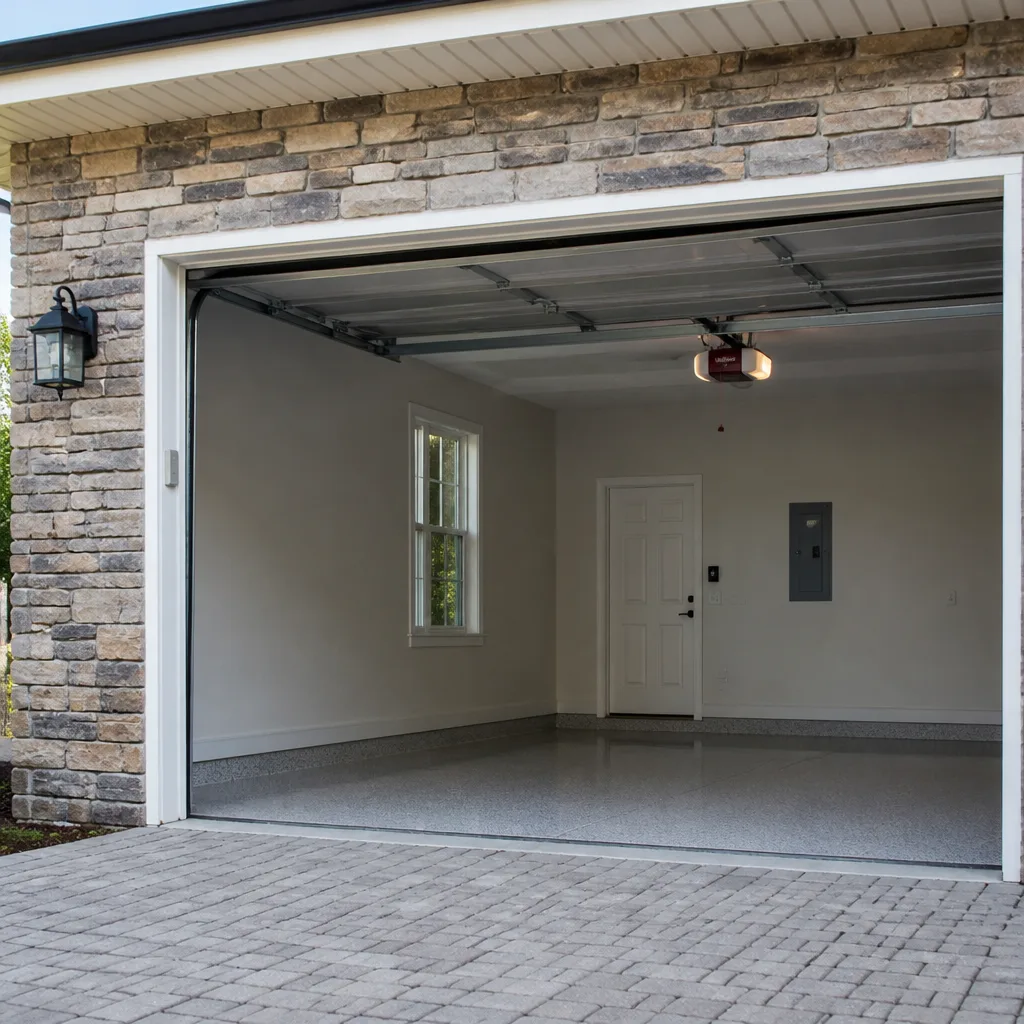 LiftMaster openers
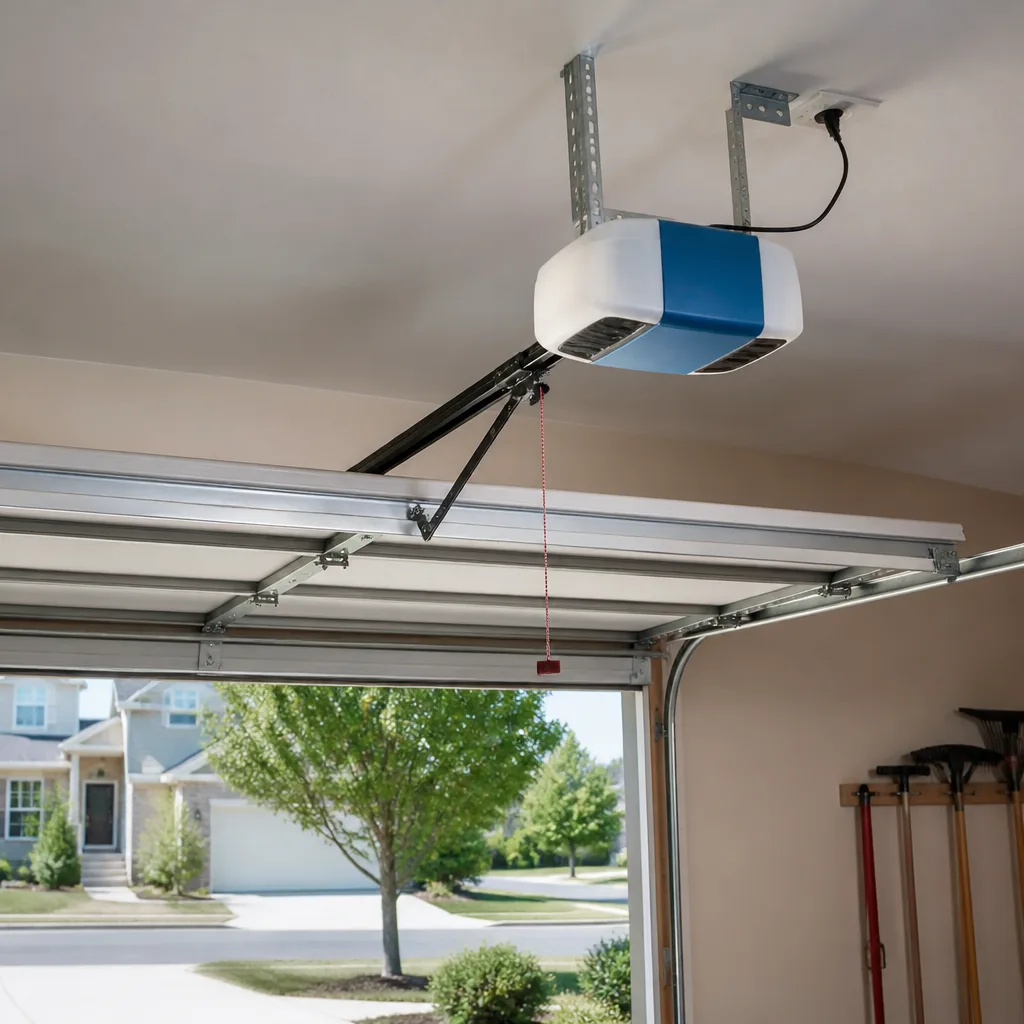 Chamberlain openers
Full 25-point door and opener safety check with every visit - springs, cables, rollers, tracks, and your LiftMaster or Chamberlain opener included
You get a price before we start. It does not change when the pro arrives.
Get your free estimateGarage Door Permits, Codes & Inspections in Frankford, PA: What You Need to Know
Most homeowners in Frankford assume a garage door swap is like replacing a light fixture: buy the door, bolt it on, done. The truth is messier. In Philadelphia County, a straightforward residential replacement usually doesn’t need a permit, but the exceptions – structural changes, new openings, modified framing – show up more often than people expect in Frankford’s older rows and twins. And when a permit was required and skipped, the consequences surface years later at inspection or sale. This guide walks through when a permit applies, what UL 325 requires of your opener, how to buy a house with sketchy garage work, and how the inspection process actually runs.
Quick Answer
A standard garage door replacement on an existing opening in Frankford typically does not require a building permit, but structural changes, new openings, and certain electrical work on openers usually do. UL 325 is the safety standard automatic openers must meet, and it’s enforced through the product itself rather than a separate inspection. If you’re unsure, ask Philadelphia’s Department of Licenses and Inspections (L&I) before work starts – not after.
Styles & brands we work with
- Raised-panel steel
- Carriage house
- Modern flush
- Full-view glass
- LiftMaster openers
- Chamberlain openers
Table of Contents
- When Does a Garage Door Project Need a Permit in Frankford?
- When You Don’t Need a Permit (And When That Changes)
- UL 325: What’s Required of Your Opener vs. What’s Good Practice
- Frankford’s Older Housing Stock: Why Codes Matter More Here
- What the L&I Inspection Process Looks Like
- Buying a Frankford Home With Unpermitted Garage Work
- How to Ask Your Contractor to Verify Permits
- Common Mistakes to Avoid
When Does a Garage Door Project Need a Permit in Frankford?
A garage door project needs a permit when it changes the structure, not when it just replaces a component. In Philadelphia County, that line is drawn by whether the work alters the building’s footprint, framing, or electrical service. For a same-size door swap on an existing opening, the answer is almost always no. For anything that moves or enlarges the opening, assume yes until L&I tells you otherwise.
Here are the specific triggers we ask about when a Frankford homeowner calls for a quote on a Garage Door Repair Frankford project that includes structural work:
- Widening or heightening the opening. Any change to the rough opening requires a header modification and, in nearly all cases, a permit.
- Adding a new garage door opening to an existing wall – common on Frankford’s brick rowhouses when a rear yard is converted.
- Converting a garage to living space or adding a door where one didn’t exist. This involves framing, insulation, and sometimes electrical.
- Replacing the entire header or structural framing around the opening, even at the same dimension.
- Installing a new electrical circuit for an opener where none existed. Adding an outlet or dedicated circuit is electrical work and typically needs its own permit.
- Changing the door’s operating type from manual to automatic on a door that wasn’t built for it – usually a structural review as well as an electrical one.
If your project falls into any of those categories, the honest answer is: call L&I. A five-minute phone call now beats a violation notice later. For projects that stay within the existing opening and reuse existing wiring, no permit is usually required.
When You Don’t Need a Permit (And When That Changes)
Most garage door replacements in Frankford don’t need a permit. A like-for-like swap – same width, same height, same track configuration, same electrical setup – is treated as routine maintenance. So is replacing a broken spring, a snapped cable, a worn roller, or a failing opener motor. Those are repairs, not construction, and L&I doesn’t want to see paperwork for them.
Here’s the list of what typically doesn’t require a permit:
- Replacing a door with one of the same dimensions on the existing track.
- Replacing or repairing torsion springs, extension springs, and cables.
- Swapping an opener for one of the same type and power source.
- Replacing hinges, rollers, panels, or weather seals.
- Adjusting track, balance, or travel limits on an existing door.
The tricky part is that “same” is doing a lot of work in those sentences. A Wayne Dalton door from the 1990s may not have a modern equivalent at the same dimensions, and a contractor may need to adjust the opening slightly to fit a current model. That small change can flip a no-permit job into a permit job. It isn’t common, but it happens often enough in Frankford that we always measure carefully before saying “no permit needed.” The written estimate should tell you which category your job is in before any work starts, and it should list the final price so you’re not surprised by an invoice that’s higher than the quote.
UL 325: What’s Required of Your Opener vs. What’s Good Practice
UL 325 is the safety standard that governs automatic garage door openers – and it applies to the product itself, not your installation. Any opener sold in the US since 1993 has had to meet UL 325 requirements, which means the unit you buy at a big-box store or through us already complies. The standard requires two things on every residential opener: a primary entrapment protection system (usually the safety reversal built into the motor, which stops and reverses the door when it meets an obstruction) and a secondary one (photoelectric eyes or a door-edge sensor).
What UL 325 does not do is inspect your installation. That’s on you, your contractor, and common sense. Here’s how to separate what’s legally required from what’s simply smart:
- Required: Photoelectric eyes installed on both sides of the opening, no more than 6 inches above the floor, unobstructed, wired to the opener.
- Required: Safety reversal working – the door must reverse on contact with a 2×4 laid flat on the floor, or on obstruction of the photo eyes.
- Required: A wall-mounted control in clear sight of the door, out of reach of children (at least 5 feet up).
- Good practice: Manual release handle accessible and tested monthly.
- Good practice: Opener mounted to a vibration-isolated bracket to reduce noise and stress on the door frame.
- Good practice: Battery backup on openers, especially on LiftMaster and Chamberlain models where it’s standard.
We work on LiftMaster and Chamberlain openers often enough that the UL 325 checks are routine for us. But if you’re near a Frankford rowhouse where an older Craftsman or Raynor opener is still running, test the reversal monthly. It’s the most common failure we see, and it’s the one that matters most for safety.
Frankford’s Older Housing Stock: Why Codes Matter More Here
Frankford has a lot of housing built before 1960, and that matters for garage door compliance in ways it wouldn’t in a newer suburb. Older rowhouses and twins often have garage openings that were framed by hand with inconsistent dimensions, headers that have settled or been modified over the decades, and electrical circuits that predate modern code requirements. When you put a modern door on an old opening, the fit isn’t automatic – and the fixes that make it fit are exactly the kind of work that may need a permit.
There are three specific things we look at on older Frankford garages:
- Header condition. A sagging or sistered header changes the load path. Replacing it needs a permit and a structural review.
- Electrical. Openers from the 1970s and 80s were often wired to a shared circuit. Adding photo eyes and a modern opener on that circuit may require an electrician and a permit.
- Opening dimensions. A true 8-foot opening is rare in older Frankford garages. If the door is 7 foot 10, a standard replacement won’t fit without modification, and modification triggers permit review.
None of that means a Frankford garage door project is inherently riskier than one elsewhere. It means the “no permit needed” answer needs to be verified, not assumed. For a garage door repair job, the question doesn’t come up – repairs don’t trigger permits. For a full replacement, it does.
What the L&I Inspection Process Looks Like
If your Frankford garage door project does require a permit, here’s how the process runs from application to final inspection. We can’t speak for every case – L&I sets its own timelines and requirements – but this is the general shape.
- Apply for the permit. Typically filed by the licensed contractor doing the work, with drawings showing the existing and proposed opening, header details, and electrical plan if relevant.
- Plan review. L&I reviews the drawings to confirm the structural changes meet Philadelphia code. Turnaround varies with workload and the scope of work.
- Permit issued. Work can begin. The permit placard goes in a visible location, typically inside the garage or at the front of the property.
- Rough inspection. For structural work, an inspector may need to see framing before the door and finish go on.
- Final inspection. The inspector confirms the installed door, opener, and safety devices meet code and UL 325, then signs off.
The timeline depends entirely on the scope of the project and L&I’s current workload. For a straight replacement, no inspection is needed. For structural changes, plan days to weeks, not hours. Schedule the work accordingly. If you’re planning a garage door installation that touches framing, budget the time for the permit and inspection before your door is ordered.
Buying a Frankford Home With Unpermitted Garage Work
This is the scenario that costs people the most, and it’s common in Frankford. You buy a house where the previous owner replaced the garage door, added an opener, or widened the opening – without a permit. Nothing is flagged at the sale. Two years later, you go to refinance or sell, and the title search or inspector surfaces the open permit history or the missing sign-off. Now it’s your problem.
Here’s how to handle it before you close:
- Ask for the permit history. L&I maintains records. Your realtor can request a permit history on the property as part of due diligence.
- Look for signs of recent work. New door, new opener, new framing around the opening, fresh paint on the header – any of these without permits is a yellow flag.
- Check the door dimensions against the original listing. An opening that was enlarged from 8 feet to 9 feet is a structural change.
- Ask the seller directly. Get it in writing. “The garage door was replaced in 2019 with a permit” is different from “we had some work done.”
- Budget for a post-closing permit. If the work needs to be brought into compliance, you may need to file for a permit after closing, which can mean opening up finished walls to show framing.
If you’re already in a Frankford home with unpermitted work, don’t panic. The path forward is usually to file for a permit as an as-built or to get a licensed contractor to inspect the work and recommend how to bring it into compliance. It’s paperwork and some expense – but it’s cheaper than the alternative.
How to Ask Your Contractor to Verify Permits
Any contractor who answers “no permit needed” without asking you what the project actually involves is a liability. The right answer depends on the scope, the framing, the electrical, and the existing dimensions. A responsible contractor asks questions and, when in doubt, sends you to L&I.
Here’s how to have the conversation:
- Ask the direct question: “Does this project need a permit from Philadelphia L&I, and how do you know?”
- Ask who pulls the permit. The contractor doing the work should be the one pulling it. If they don’t want to, that’s a signal.
- Ask what happens if an inspector flags something. A good contractor knows the process and can walk you through who handles what.
- Ask for it in writing. The written estimate should say “no permit required – same-size replacement” or “permit required – see attached.” Verbal assurances don’t protect you.
- Walk away from dismissals. “Nobody pulls permits for garage doors” is wrong. “You don’t need a permit” without a follow-up question is a red flag.
For garage door opener repair, the permit question rarely applies – repairs don’t trigger permits. But for a full opener replacement with new wiring, it can. Ask.
Common Mistakes to Avoid
- Assuming “replacement” always means “no permit.” Most replacements don’t need one. The ones that do – structural changes, new openings, new electrical – are common in Frankford’s older housing, so verify before ordering a door.
- Skipping the UL 325 reversal test after a new opener install. Every opener ships with a reversal mechanism, but installation can defeat it if the photo eyes are misaligned or the travel limits are off. Test it before you call the job done.
- Buying a Frankford home without checking garage permit history. It’s the most common unpermitted work we see in older neighborhoods, and the cost of fixing it falls on the buyer.
- Letting a contractor talk you out of a permit to save a few weeks. The weeks you save now become months at sale. A written estimate should state the permit category plainly.
- Ignoring sagging headers or modified framing. If the wood around the opening looks different from neighbors’ garages, ask why. A modern door on a compromised header is a structural problem waiting to happen.
- Skipping the monthly reversal test on older openers. Craftsman and Raynor units from the 80s and 90s are still running in many Frankford garages. A reversal test takes 30 seconds and can save a family pet or a child.
- Treating the door’s balance as cosmetic. A door that slams down or jerks open is a spring problem, not a cosmetic one. Springs are dangerous – this is not a DIY job, and no permit question changes that.
See the difference
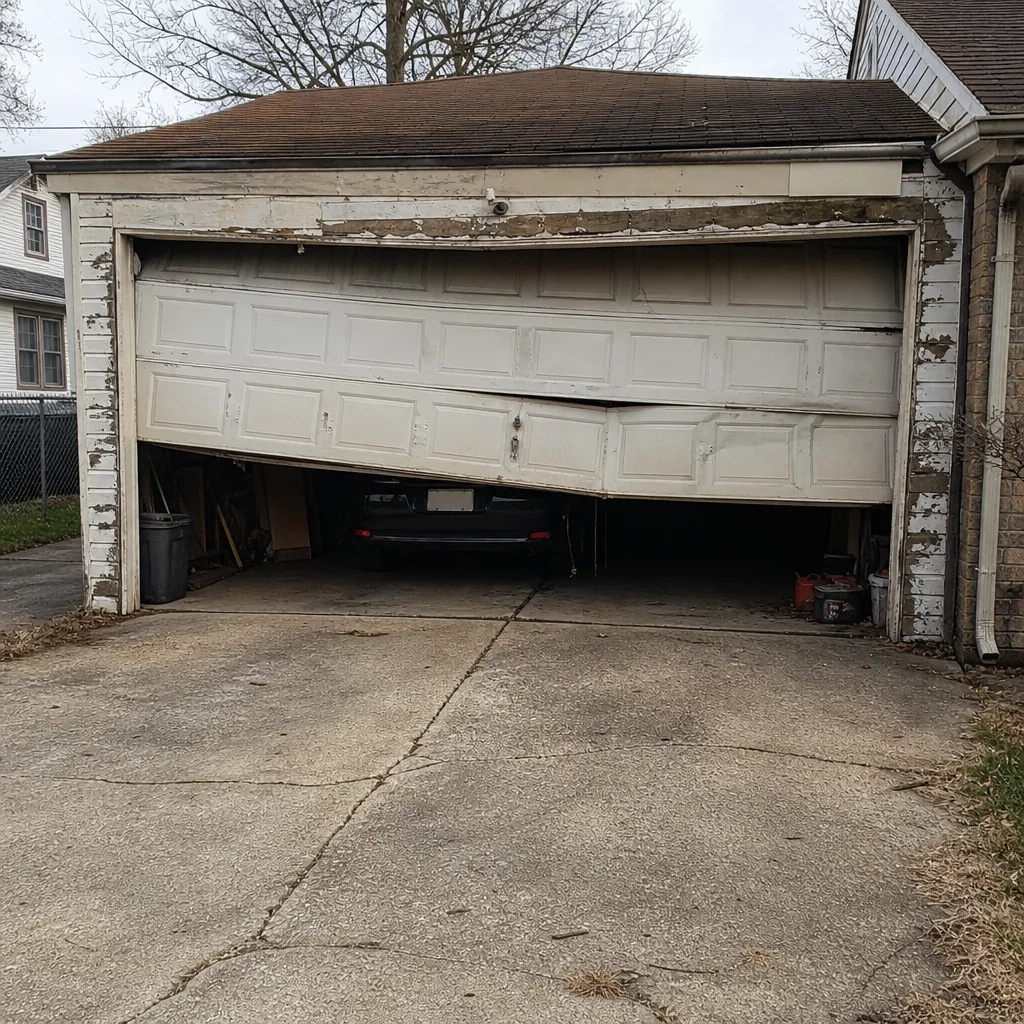 Before
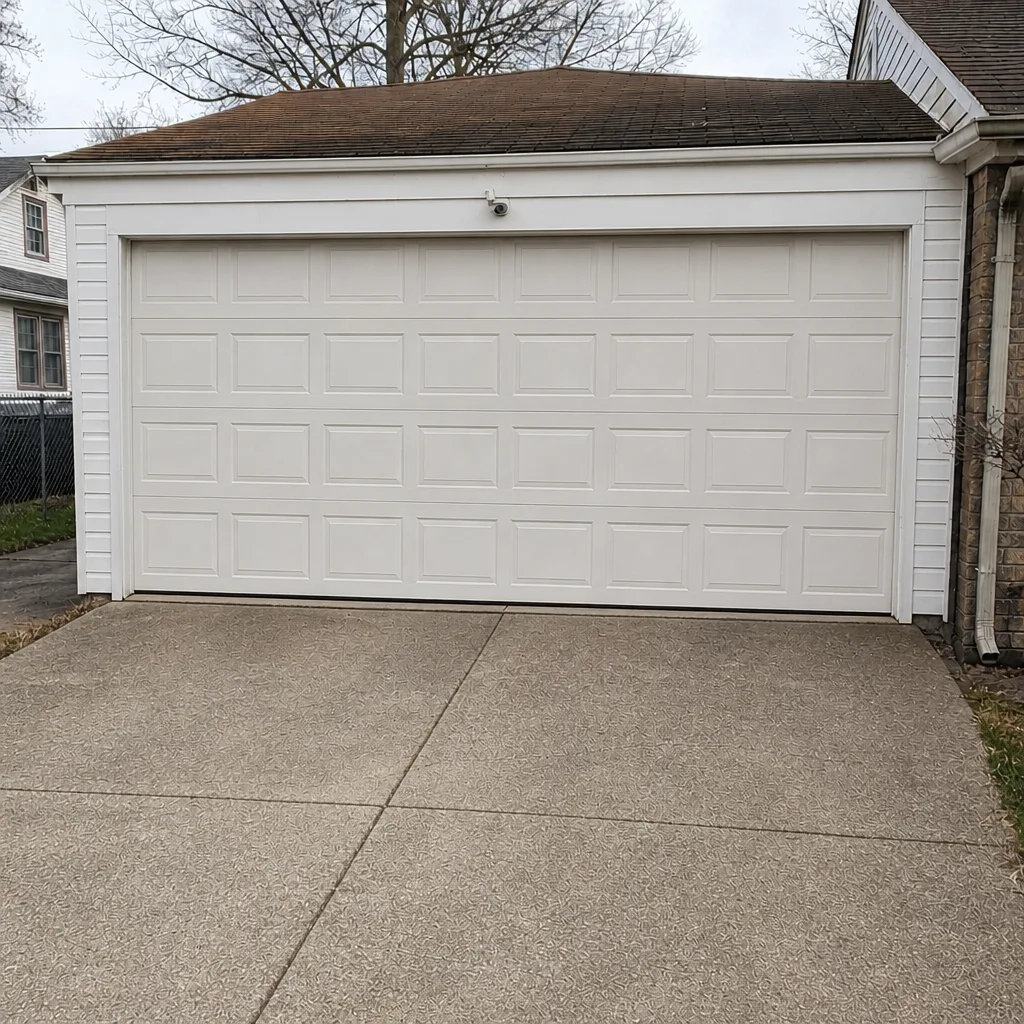 After
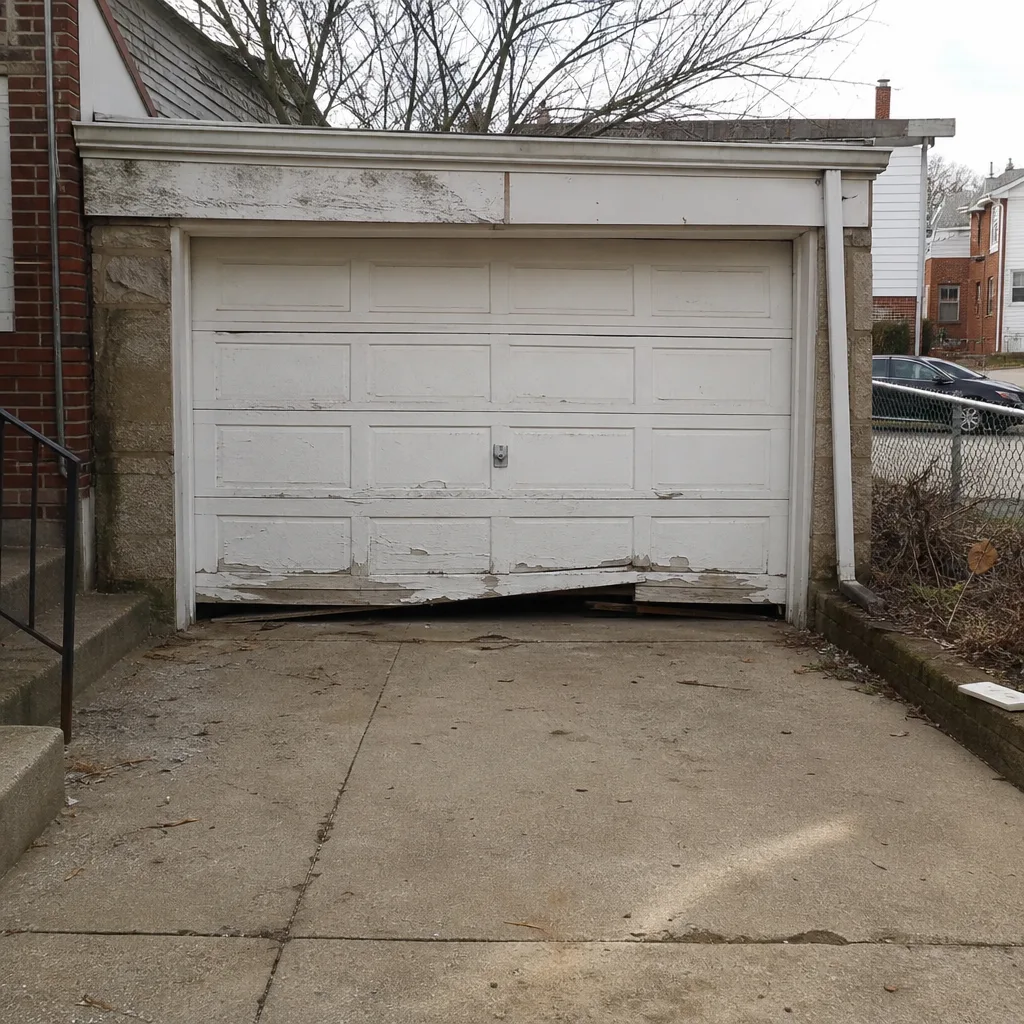 Before
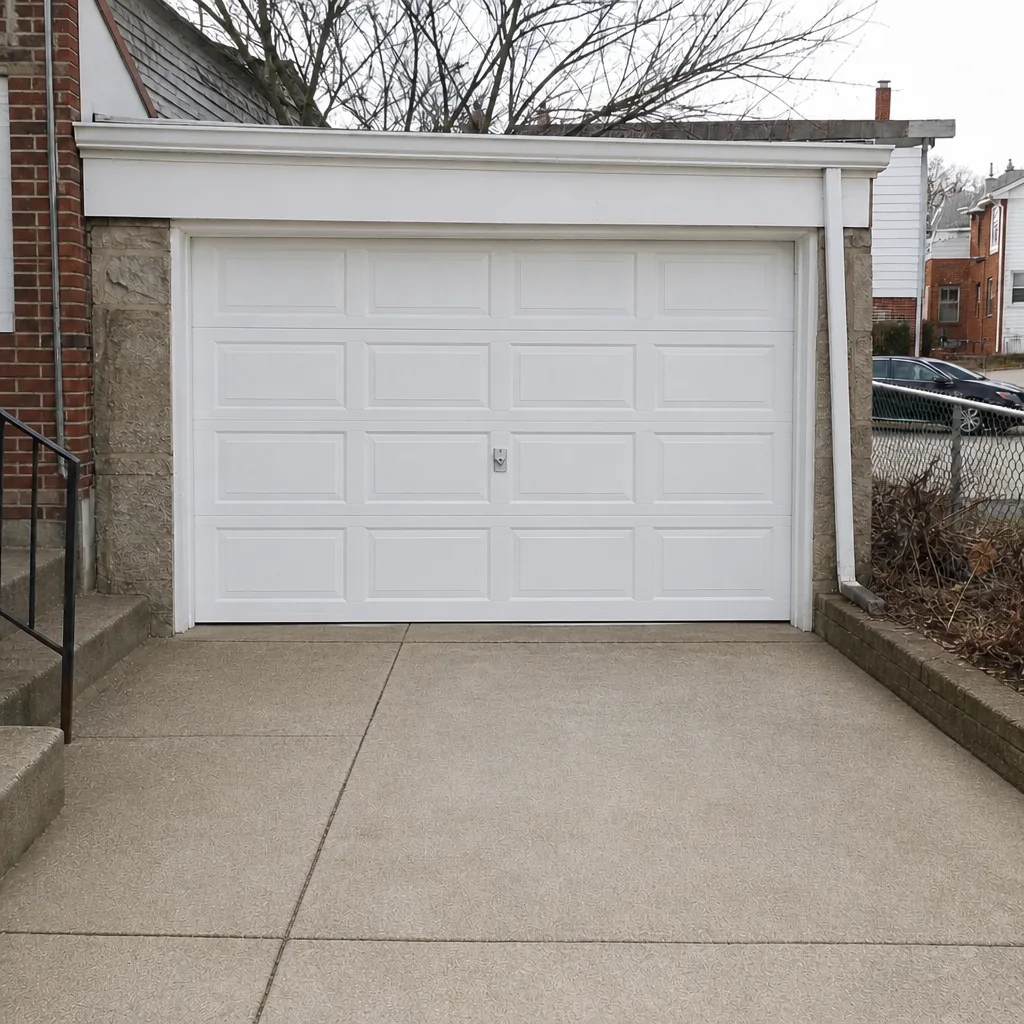 After
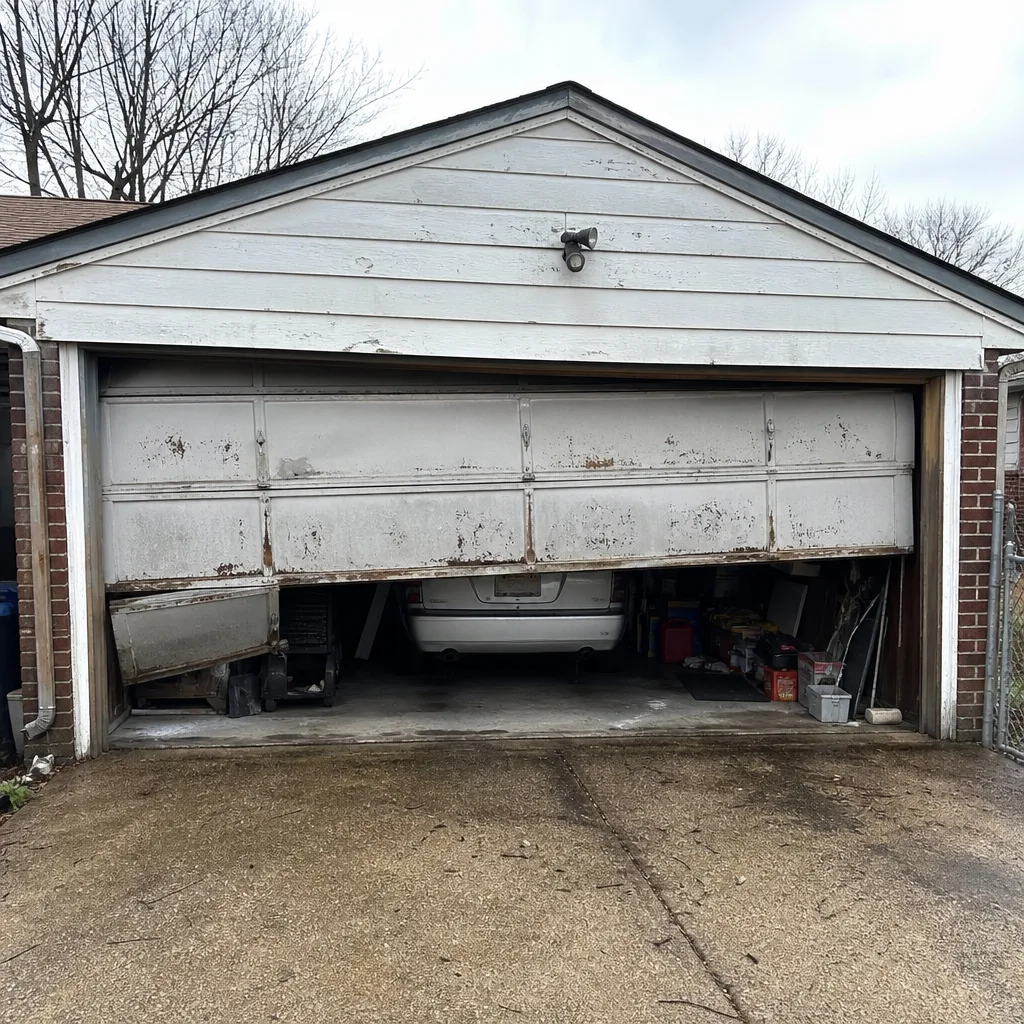 Before
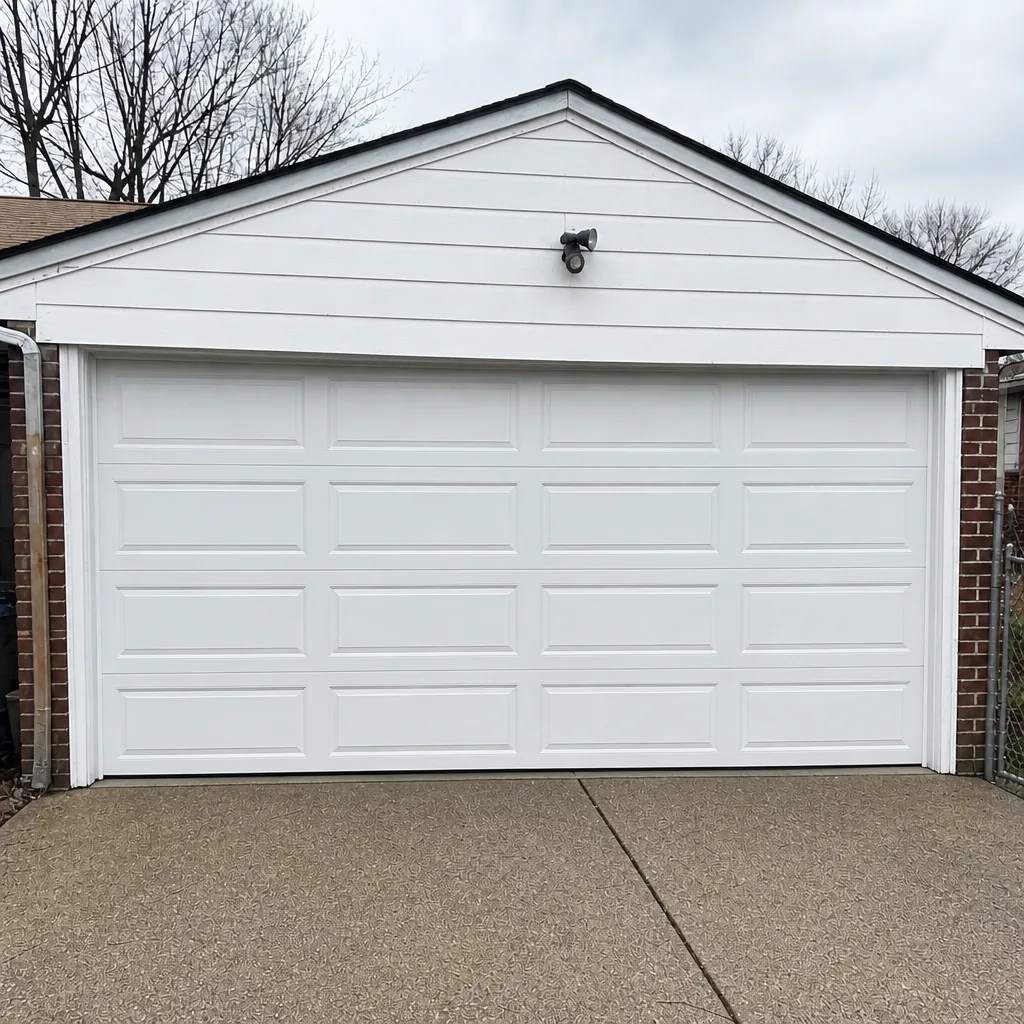 After
When to Call a Professional
Some garage door questions should go to L&I. Others should go to a garage door specialist. The dividing line is usually whether the door is physically failing to work. Call a professional if the door won’t open or close, if a spring has snapped (leave it alone – springs are under high tension and are dangerous to handle), if the opener reverses for no reason, or if the door is off its track. Call us if you’re in Frankford and want a free estimate that includes a written answer on the permit question before any work starts. Garage Door Repair Frankford offers free estimates in Frankford – call (855) 337-1053. We answer 24/7. Fast dispatch from 7am to 7pm, Sunday through Friday, closed Saturday. Our technicians have up to 12 years of experience, and we work on the brand you already have – LiftMaster, Chamberlain, Genie, Clopay, Amarr, Wayne Dalton, Craftsman, and Raynor.
Frequently Asked Questions
In most cases, no. A like-for-like replacement on an existing opening, same width and height, same electrical setup, is treated as maintenance and doesn’t require a permit from Philadelphia L&I. You do need one for structural changes, new openings, widening, or new electrical circuits. If you’re unsure which category your job falls into, call (855) 337-1053 for a free estimate – we’ll tell you in writing.
Only when the project required a permit. A straight replacement gets no inspection. Structural work, new openings, and new electrical circuits get an inspection – typically a rough inspection before the door is installed, then a final inspection after. The timeline depends on L&I’s workload, so plan days to weeks, not hours.
UL 325 is the safety standard for automatic garage door openers, and every opener sold in the US since 1993 has been built to meet it. The standard requires entrapment protection – photo eyes on both sides of the opening plus a safety reversal tested against a 2×4 on the floor. Your installation needs to preserve those functions. Test the reversal monthly; it’s the most common failure we see.
Don’t panic. Your options are to file for a permit as an as-built, or to hire a licensed contractor to inspect the work and recommend how to bring it into compliance. Either path involves some paperwork and possibly opening up finished walls. The cost is usually lower than the alternative of dealing with it at sale. Start by requesting the permit history from L&I.
Yes. Our estimates include a written statement on whether a permit is required and why. If the answer isn’t clear from what we can see – for example, if the header has been modified – we’ll tell you that too, and recommend an L&I call. Call (855) 337-1053 for a free estimate. We answer 24/7. Fast dispatch from 7am to 7pm, Sunday through Friday.
That depends on your policy and on whether the work was permitted and inspected. Unpermitted structural work is one of the most common grounds insurers use to deny a claim related to that work. We can’t speak for your insurer, but the safest approach is to get the permit question answered before work starts – not after.
The Bottom Line
Garage door permits in Frankford are a gray zone, and that’s exactly why homeowners get caught off guard. A straight replacement doesn’t need one. A structural change or new opening probably does. UL 325 protects you regardless of permits, and it’s on the person who installs the opener to make sure it works. If you’re buying a Frankford home, check the permit history before you close. If you’re planning a project, get the permit answer in writing before the work starts. And if any contractor brushes off the question, walk away. Call (855) 337-1053 for a free estimate with the permit answer included. We answer 24/7. Fast dispatch from 7am to 7pm, Sunday through Friday, closed Saturday.
Written by the team at Garage Door Repair Frankford.